 中文简体
中文简体 
 English
A printed recyclable cardboard packaging box has to do two jobs at once: protect the product inside through the full transport and storage chain, and carry branding that holds up on a shelf or a doorstep. Choosing the right structure means balancing compression strength and cardboard thickness against how the box will actually travel.
01
Corrugated Core Structure
02
Printed Outer Layer
03
Protective Surface Coating
What Are Printed Recyclable Cardboard Packaging Boxes?
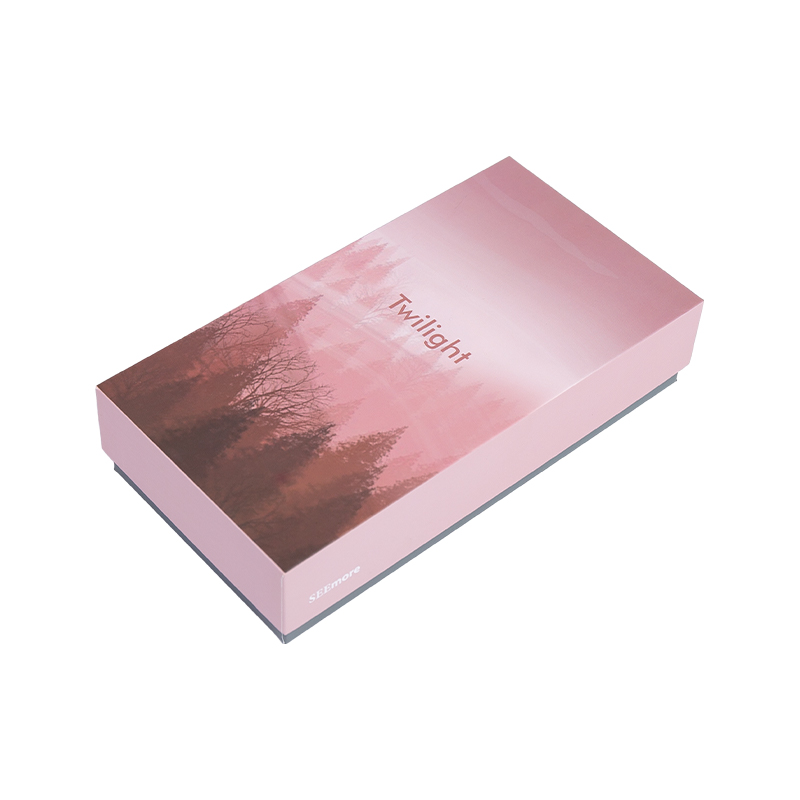
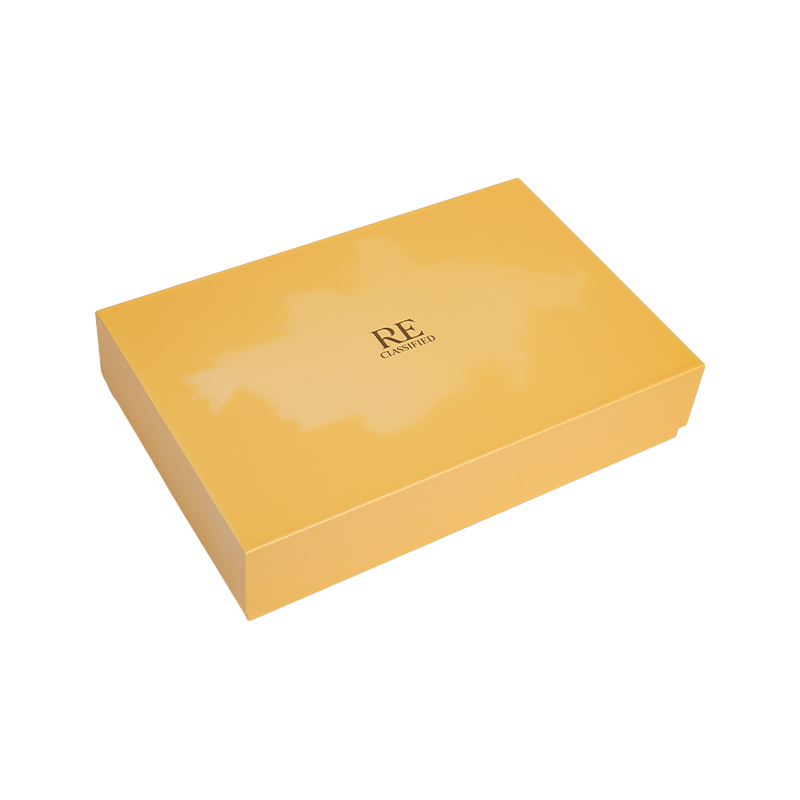
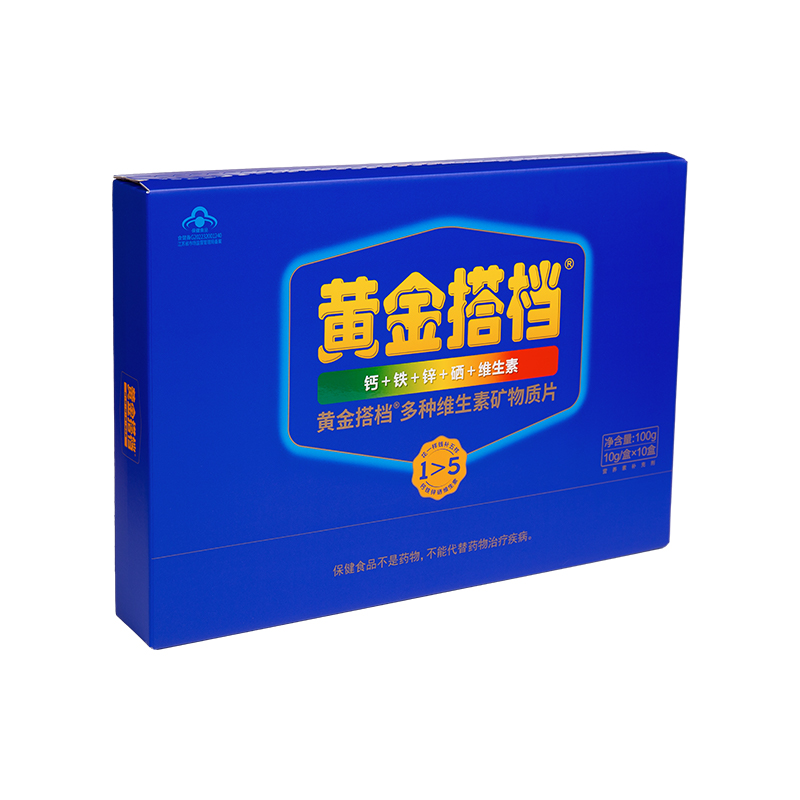
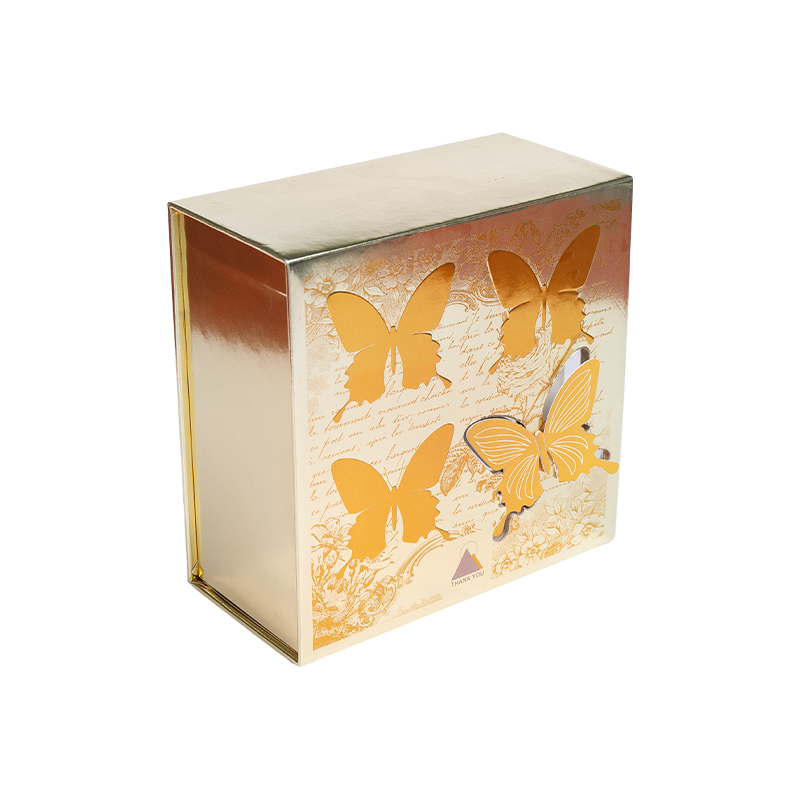
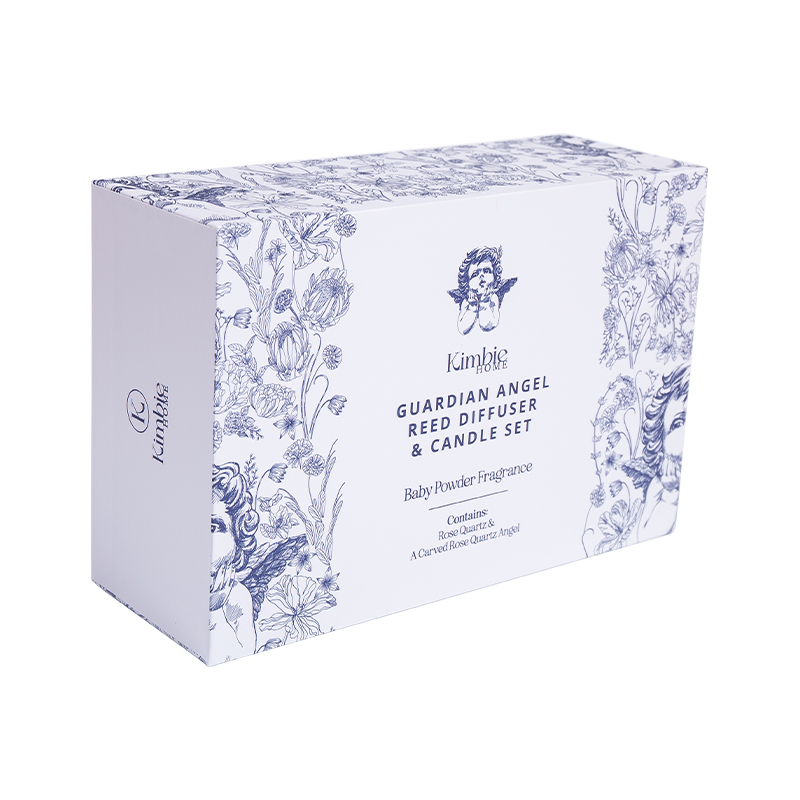
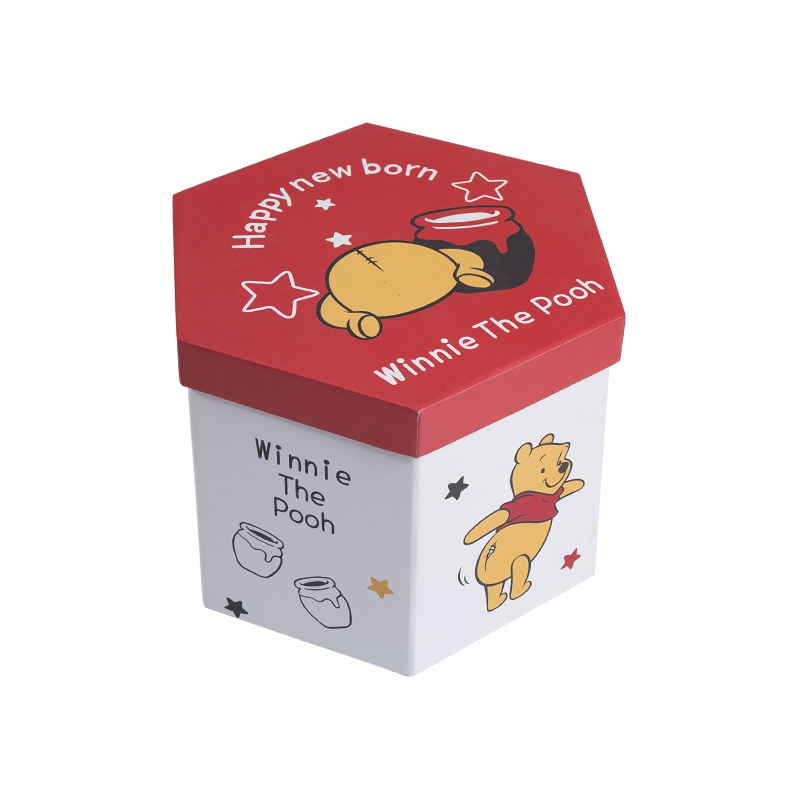
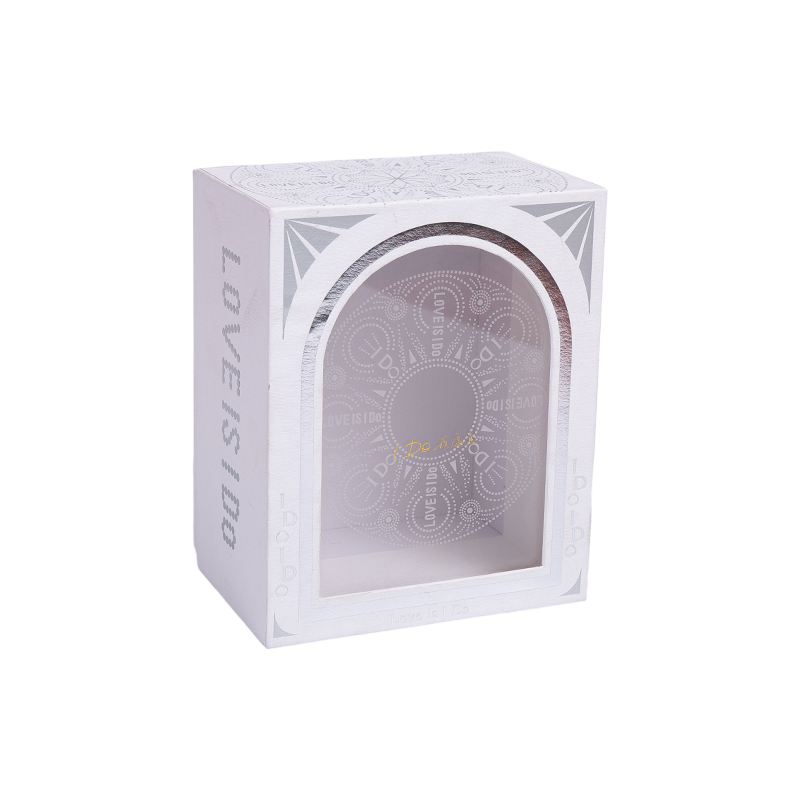
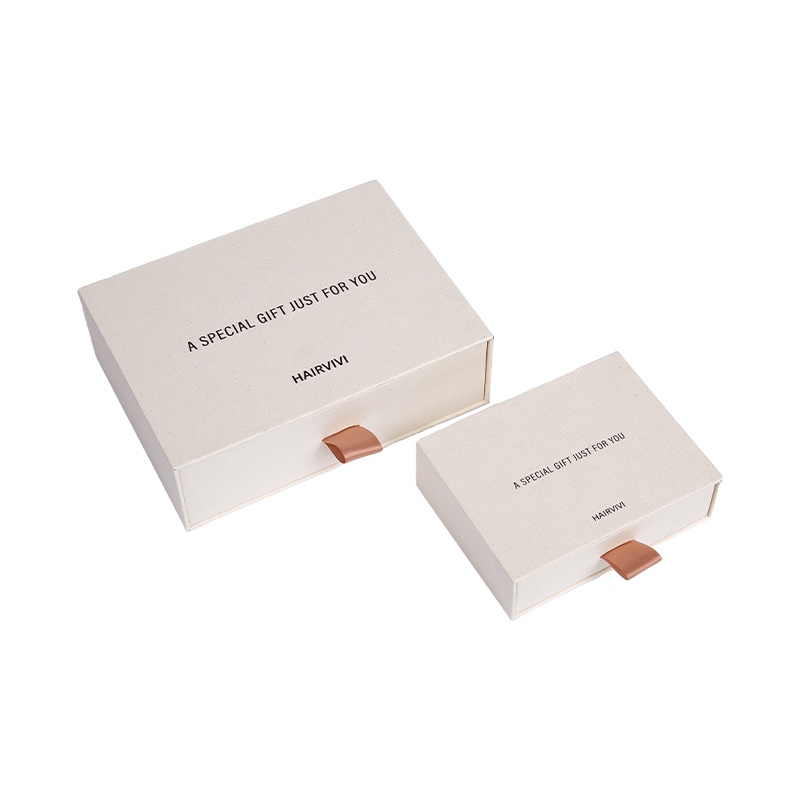
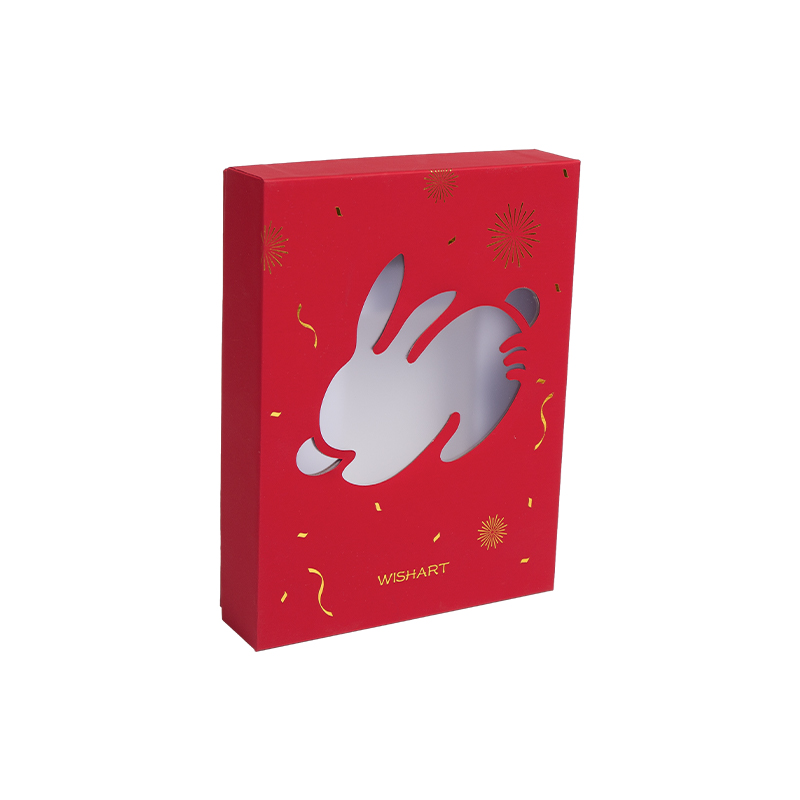
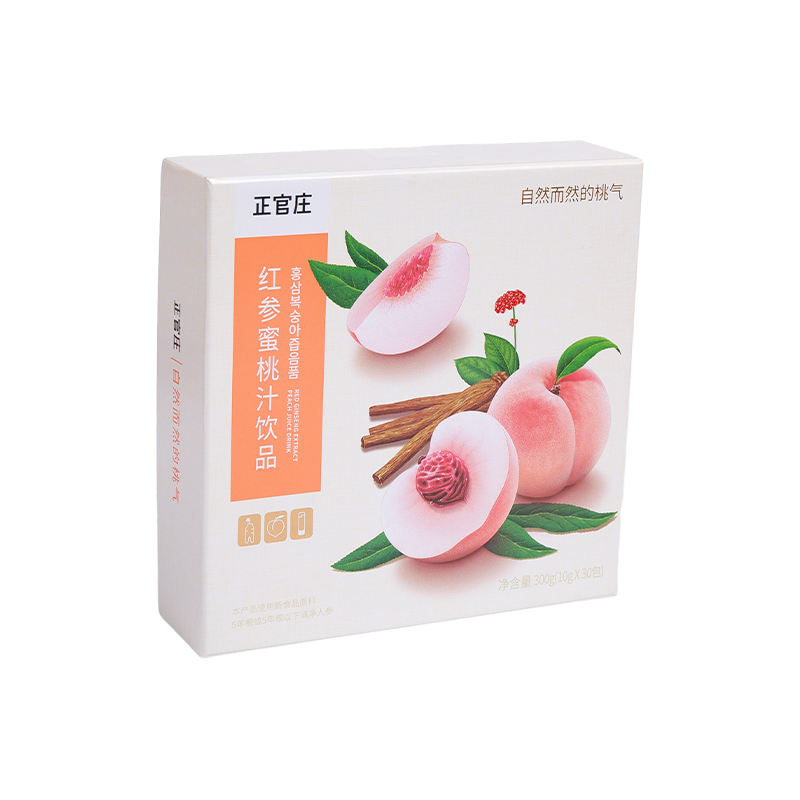
Printed recyclable cardboard packaging boxes are paper-based containers built from recyclable cardboard materials and finished with customized printing for product protection and brand communication. The structure typically layers a printed outer surface over a corrugated cardboard core, bonded with an adhesive layer and finished with an optional protective coating. Common formats include folding cartons, corrugated shipping boxes, die-cut packaging, mailer boxes, and customized industrial packaging built to a specific product's dimensions.
The core appeal of a printed recyclable cardboard packaging box is that it delivers structural protection, brand-quality printing, and full recyclability from a single material system, which is why it has displaced heavier or non-recyclable alternatives across most consumer and industrial packaging categories.
What to Look for in a Packaging Box
- Recyclable material structure that supports sustainability and green supply chain commitments
- High-resolution custom printing capability for logos, product information, and promotional design
- Compression and edge crush strength rated for the actual stacking and shipping conditions
- Flat-pack assembly options that reduce warehouse storage space before use
Specify by the job, not the category: an e-commerce mailer needs drop-test resistance, while a retail display carton needs print resolution and shelf presentation more than raw compression strength.
Where These Boxes Get Used
Electronics packaging depends on lightweight but protective structures that keep sensitive components safe through multi-stage logistics, while food and beverage packaging needs safe, printable materials that hold product information clearly. Cosmetics and personal care brands lean on high-quality printing and finishing to elevate product presentation on retail shelves and in gift packaging.
Healthcare and Industrial Applications
Healthcare and medical product packaging requires organized, protective structures for safe storage and transport, and industrial components packaging uses durable corrugated boxes to move mechanical parts and hardware through demanding logistics chains without damage.
Recyclable Cardboard vs Alternative Packaging Materials
| Feature | Printed Recyclable Cardboard | Alternative Packaging Material |
| Recyclability | Fully recyclable paper fiber structure | Varies, often lower recyclability |
| Weight | Lightweight, reduces shipping cost | Some alternatives are heavier |
| Branding | High-resolution custom printing | Printing quality varies by material |
| Cost | Cost-effective at volume | Often higher material or disposal cost |
How to Choose the Right Box
Start With the Product
Product size, weight, and fragility determine cardboard thickness and compression strength before printing or branding decisions enter the picture. Transportation conditions and storage environment should shape moisture resistance requirements.
Then Verify the Supplier
Confirm the manufacturer's printing capability, custom design experience, and production capacity, along with their quality management system and recycled material percentage, before committing to a large production run.
Key Takeaways
The right printed recyclable cardboard packaging box protects the product, communicates the brand, and supports sustainability goals all at once, provided the cardboard thickness and structural design are matched to the actual shipping and storage conditions the box will face.
 Previous