 中文简体
中文简体 
 English
The Strategic Value of Color in Food & Beverage Packaging
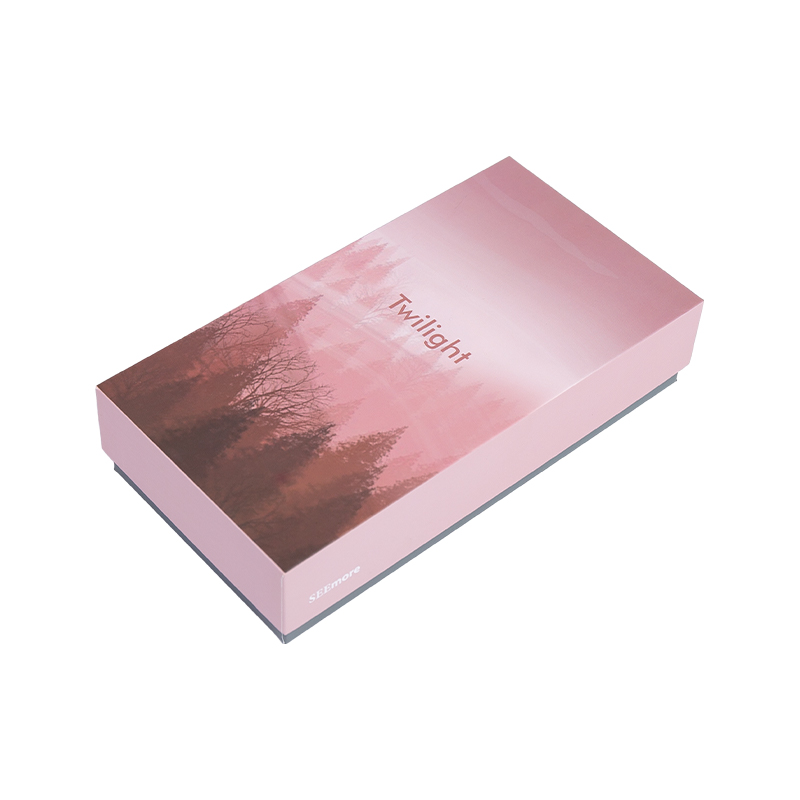
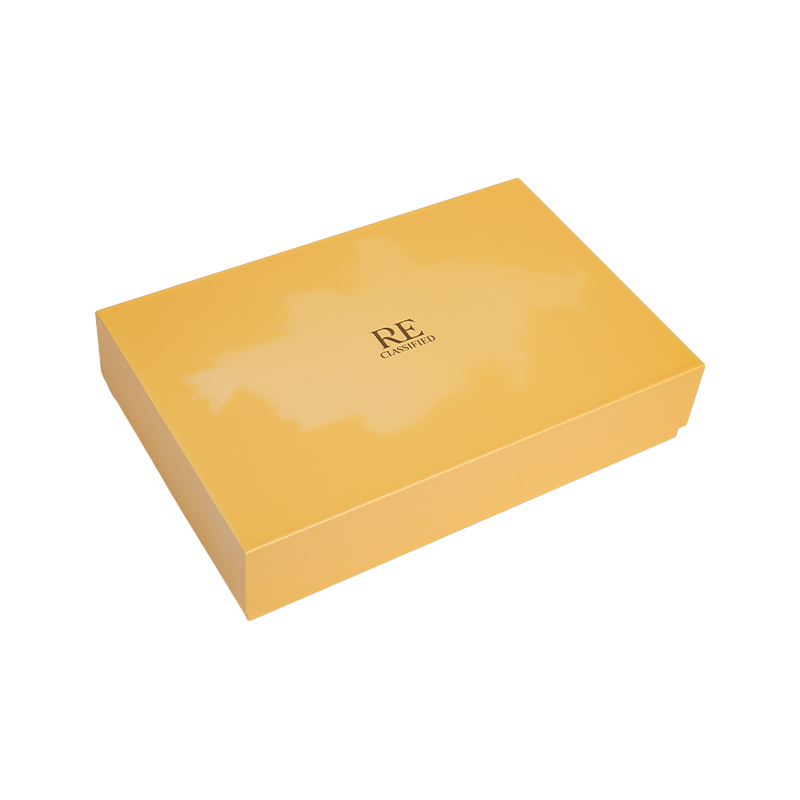
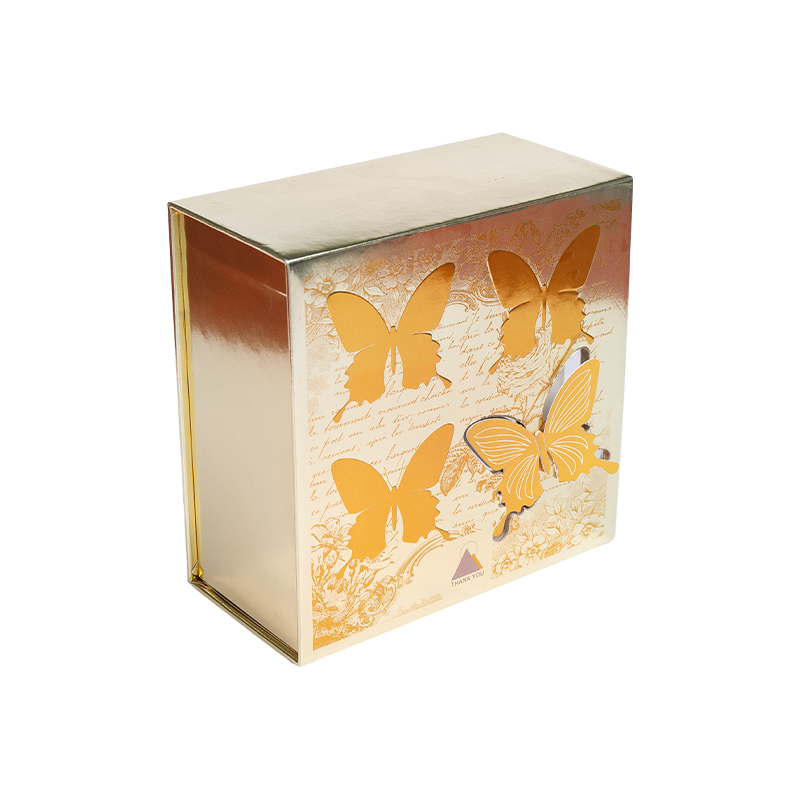
For food and beverage brands, the choice of a colored corrugated box is not merely an aesthetic decision—it is a strategic branding and marketing move. Color is the first element a customer notices and can increase brand recognition by up to 80%. Beyond simple protection, colored boxes serve as a powerful, silent salesman on retail shelves and a key differentiator in the direct-to-consumer unboxing experience.
Investing in custom colored corrugated packaging directly impacts consumer perception and purchase behavior. 72% of consumers say packaging design influences their buying decision, and a distinct, well-executed color palette can elevate a product from a commodity to a premium offering.
The Branding Imperative: Why Color Matters
In the competitive food and beverage sector, packaging is often the first physical interaction a consumer has with a brand. Custom colored corrugated boxes transform a shipping container into a powerful branding tool.
1. Driving Brand Recognition and Emotional Connection
Color is a fundamental component of brand identity. When used consistently across packaging, it can significantly enhance brand recall and communicate specific brand values. For instance, specific shades can convey freshness, sustainability, or luxury. Research suggests that color can increase brand recognition by up to 80%, making it a critical investment for any food and beverage business.
2. Enhancing the Unboxing and Consumer Experience
The unboxing moment has become a vital marketing touchpoint, especially for e-commerce brands. A visually appealing, colored box adds to the excitement and perception of value. Data shows that 72% of consumers say packaging design influences their purchasing decision. A high-quality, custom-printed box can turn a one-time buyer into a brand advocate who shares their experience on social media.
Technical Considerations for Colored Corrugated Boxes
Beyond aesthetics, several technical factors dictate the performance and suitability of colored corrugated packaging for food and beverage products.
Material Grades and Flute Types for Food Safety
Food-grade packaging must adhere to strict safety and hygiene standards. The choice of material is paramount to ensure product integrity and compliance.
- Virgin Kraft Paper: Preferred for direct food contact due to strength and purity; often combined with FDA-approved coatings.
- Recycled Liner Paper: Must be paired with an inner liner or barrier coating to be suitable for food products.
- Flute Profiles (B, C, E, F): B-flute offers good crush resistance for cans; E/F-flute provide a smoother surface for high-quality printing and are ideal for retail-ready packaging.
| Flute Type | Thickness (mm) | Best Use for Food & Beverage |
| B-Flute | 2.5 – 3.0 | Canned beverages, glass bottles, heavier items |
| C-Flute | 3.5 – 4.0 | Shipping cases for multiple food items, excellent stacking strength |
| E-Flute | 1.5 – 1.8 | High-end retail boxes, frozen food, cosmetics (with food contact liner) |
| F-Flute | 0.8 – 1.2 | Small premium packages, chocolates, single-serve snacks |
Printing Techniques & Coating Options for Colored Boxes
The vibrancy and durability of color on corrugated boxes depend heavily on the printing method and surface treatment. Choosing the right combination ensures your brand colors remain striking throughout the supply chain.
Printing Methods Compared
- Flexographic Printing: Cost-effective for large runs, suitable for solid colors and simple designs. Up to 6 colors can be printed, with good coverage on kraft surfaces.
- Digital Printing: Enables high-resolution, full-color graphics with short turnaround times. Ideal for variable data and small-batch premium runs, with color gamut exceeding 90% of Pantone.
- Litho-Lamination: Offers photographic quality by laminating a pre-printed sheet onto corrugated board. Perfect for complex artwork and food photography, delivering sharpness down to 150 LPI.
Protective Coatings for Food Contact
- Aqueous Coating: Water-based, food-safe, provides a matte or satin finish and scuff resistance.
- UV Coating: High-gloss, durable, and moisture-resistant; suitable for chilled or frozen food packaging.
- Barrier Coatings: Grease- and oil-resistant layers applied to the inside surface, essential for bakery, fried foods, and ready-to-eat meals.
Decision-Making Framework: From Concept to Colored Box
A structured approach ensures that your custom colored corrugated boxes align with both branding goals and operational requirements.
Brand Strategy → Material Selection → Printing Method → Coating & Finish → Prototype & Test → Full Production
Key evaluation points during this process include: substrate strength (Edge Crush Test), print color consistency (Delta E < 2), and coating performance under humidity and temperature variations. Testing at least 50 samples from the initial run helps identify any color drift or structural issues before full-scale manufacturing.
Sustainability & Cost-Efficiency in Colored Corrugated Packaging
Modern food and beverage brands increasingly demand packaging that balances environmental responsibility with cost control. Colored corrugated boxes can be both sustainable and economically advantageous.
- Recycled Content: Using up to 30-50% post-consumer recycled fiber reduces environmental footprint while maintaining structural integrity.
- Water-Based Inks: Switching to water-based or soy-based inks reduces VOC emissions and simplifies recycling, with no compromise on color vibrancy.
- Design Optimization: Right-sizing boxes and using minimal flute profiles can cut material costs by 10-18% while reducing shipping weight and storage space.
Many brand owners find that investing in high-quality colored corrugated packaging yields a direct ROI through reduced damage rates (up to 40% less) and increased customer loyalty, offsetting the slightly higher upfront cost.
Frequently Asked Questions
Are colored corrugated boxes food-safe?
Yes, when produced with food-grade materials and appropriate barrier coatings. Always verify that the inks and adhesives used are FDA-compliant for indirect or direct food contact.
What is the minimum order quantity for custom colored boxes?
It varies by printing method. Digital printing allows smaller runs (e.g., 100-500 units) with no plate costs, while flexographic printing typically requires larger orders (e.g., 1,000+ units) to be cost-effective.
Can I match my brand's Pantone color accurately on corrugated board?
Absolutely. With flexo or litho-lamination, you can achieve precise Pantone matching. Digital printing also offers a wide color gamut, though some very specific metallic or neon shades may require custom mixing.
How does color affect packaging durability?
The color itself does not compromise durability. However, the type of coating or ink can affect moisture resistance. UV-cured and aqueous coatings add a protective layer that enhances both color retention and box strength.
Is it possible to use fully recyclable colored corrugated boxes?
Yes. Most colored corrugated boxes are fully recyclable, especially when using water-based inks and standard kraft liners. Avoid laminates or metallic foils if you want to ensure 100% recyclability.
 Previous