 中文简体

 English
What Are Printed High-End Personalized Gift Boxes?
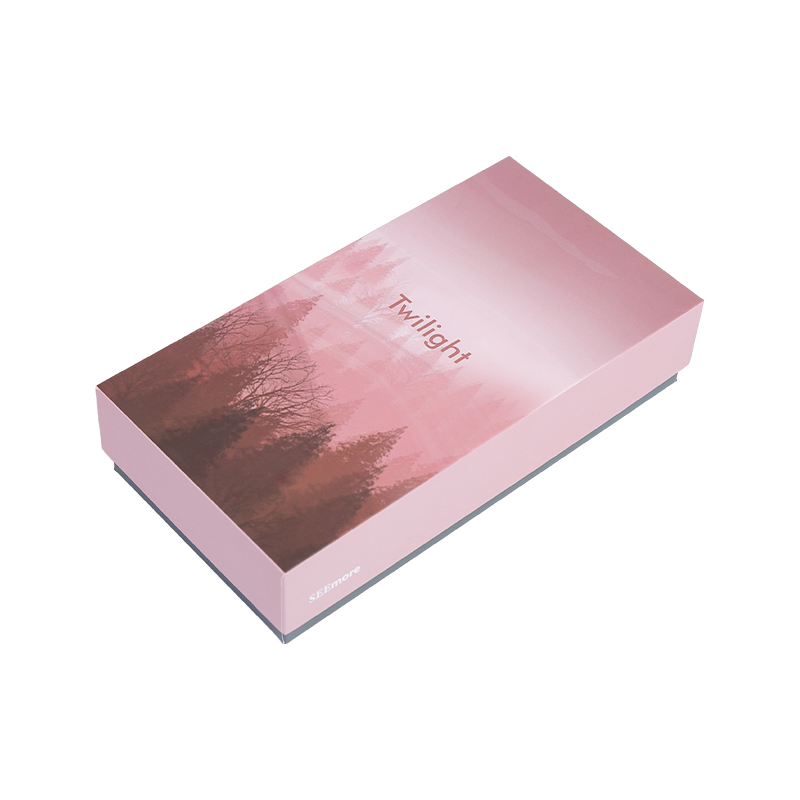
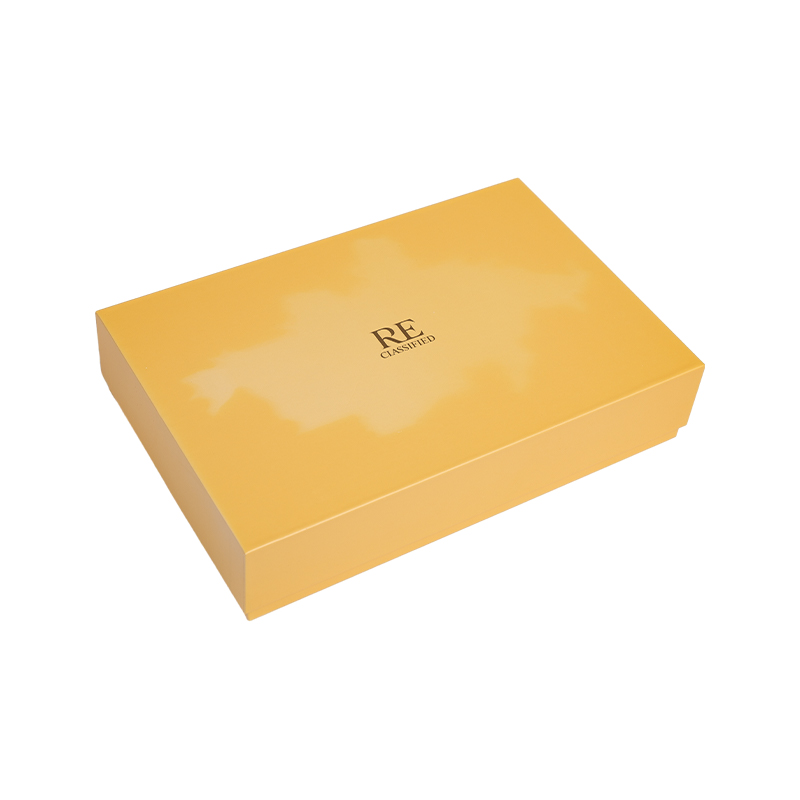
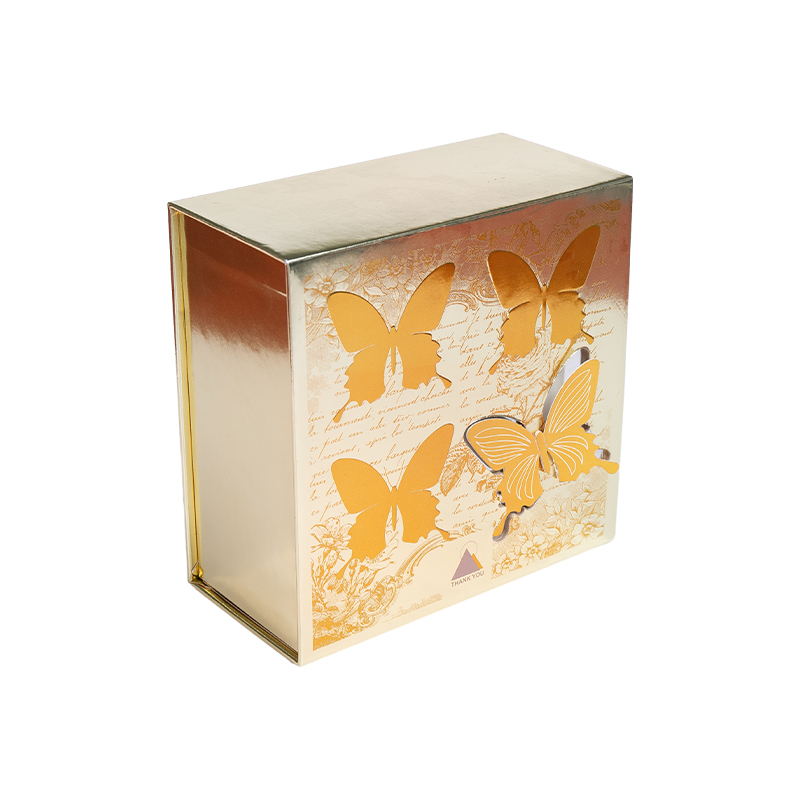
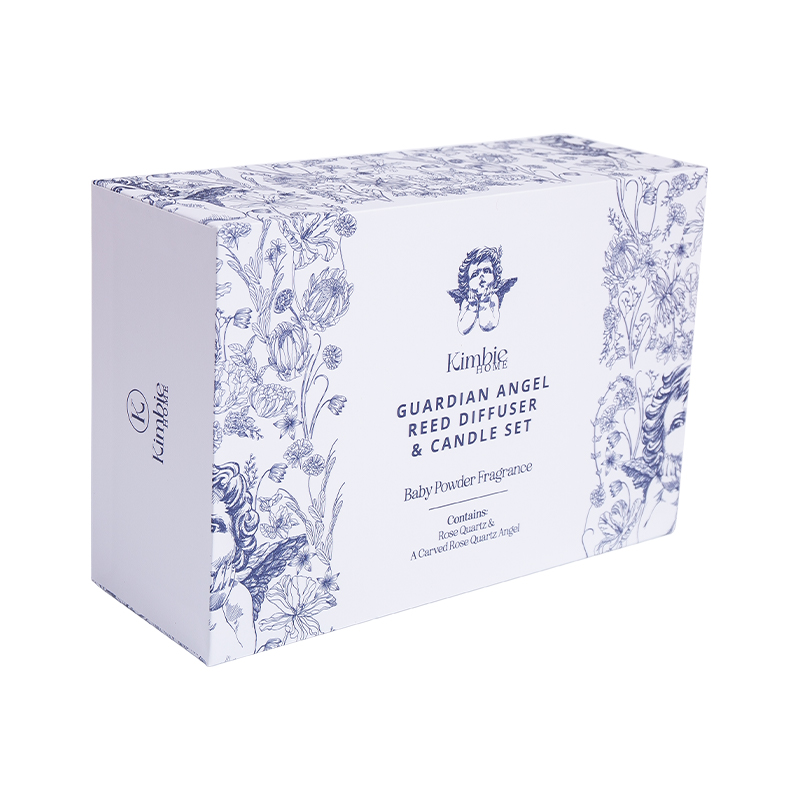
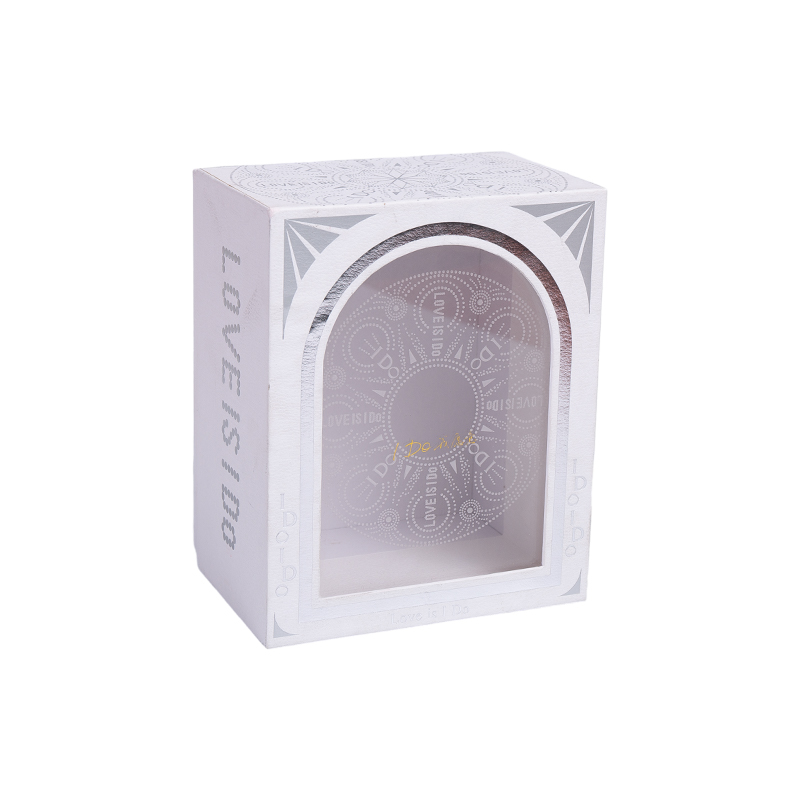
Printed high-end personalized gift boxes are rigid or semi-rigid packaging structures produced with custom artwork, brand logos and premium finishing. Unlike standard shipping cartons, they are designed to be kept, displayed and reused. The box itself becomes part of the product experience, which is why luxury brands, corporate buyers and export-focused manufacturers treat packaging as a strategic asset rather than a disposable cost.
A well-executed printed high-end personalized gift boxes program typically combines three layers: a structural layer (magnetic closure, drawer, book-style, lid-and-base), a material layer (rigid greyboard, specialty paper, FSC-certified stock) and a finishing layer (foil stamping, embossing, spot UV, soft-touch lamination). Each layer influences cost, lead time, durability and perceived value.
Procurement insight: Buyers searching for printed high-end personalized gift boxes are usually not comparing one box against another box. They are comparing unboxing experiences, brand recall and whether the packaging survives international shipping without corner damage.
Core features that define a high-end personalized gift box
- Rigid construction with 1.5 mm to 3 mm greyboard for structural integrity
- Custom logo printing via offset, screen, digital or foil methods
- Precision-fit inserts (EVA, paperboard, molded pulp) for product protection
- Premium surface finishing that resists scuffing during transit
- FSC-certified paper options and water-based inks for sustainability targets
Why buyers move from standard packaging to personalized rigid boxes
| Decision factor | Standard folding carton | Printed high-end personalized gift box |
|---|---|---|
| Structural rigidity | Low to medium | High, retains shape |
| Brand logo impact | Limited print area | Full-surface customization |
| Unboxing retention | Usually discarded | Frequently reused |
| Sustainability options | Mixed | FSC paper, water-based ink |
| Ideal order profile | Volume, low unit cost | Mid to high value, brand-led |
Styles and Structures of Custom Printed High-End Gift Boxes
Structure selection is the first technical decision in any personalized gift box project. It determines assembly time, shipping volume, material waste and the tactile sequence the end user experiences when opening the package. The most requested configurations in export-oriented production are magnetic closure, drawer, book-shaped, lid-and-base and seasonal formats.
Magnetic closure personalized printed gift boxes
A hidden magnet embedded between the greyboard and the wrap paper allows the lid to snap shut with a controlled resistance. This structure is widely used for corporate incentive kits, cosmetic sets and electronics accessories because it protects contents while presenting a clean, uninterrupted printed surface.
- Typical board thickness: 2 mm to 3 mm
- Magnet placement: two to four pairs, depending on box size
- Best for: premium unboxing, repeat-open use
Drawer-style custom printed gift boxes
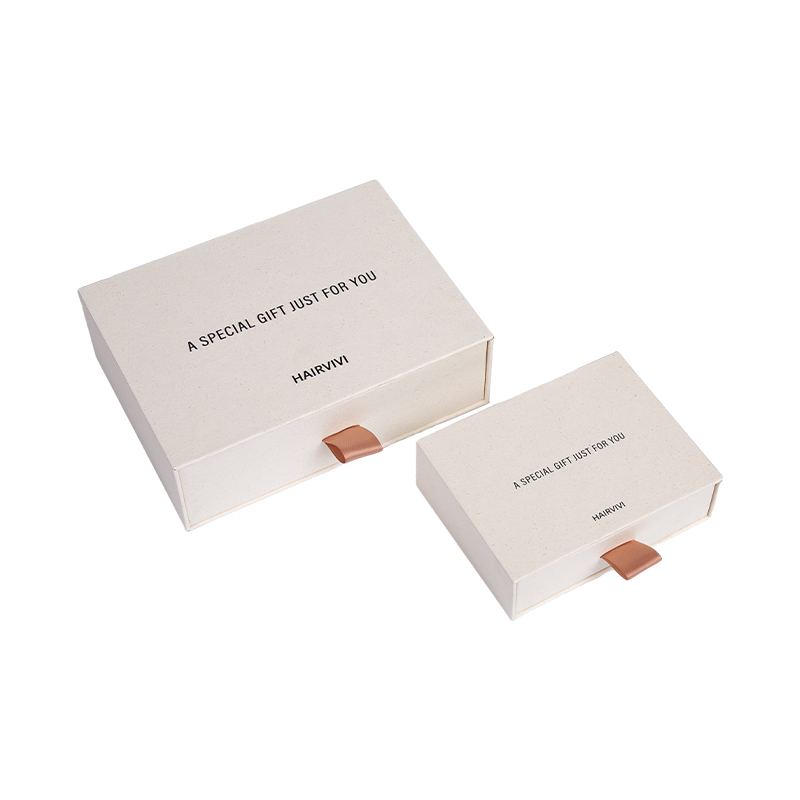
The drawer format uses an outer sleeve and an inner tray that slides out with a ribbon pull. It creates a deliberate, slow reveal that works well for jewelry, tea sets and limited-edition product launches. The sleeve can be fully printed, foil stamped or embossed, while the tray can be lined with soft-touch paper or fabric.
Book-shaped hard printed luxury gift boxes
Book-shaped boxes open like a hardcover volume. They are often chosen for anniversary sets, corporate history kits and high-value collectibles. The spine area allows additional branding, and the interior can be divided into compartments with fitted inserts.
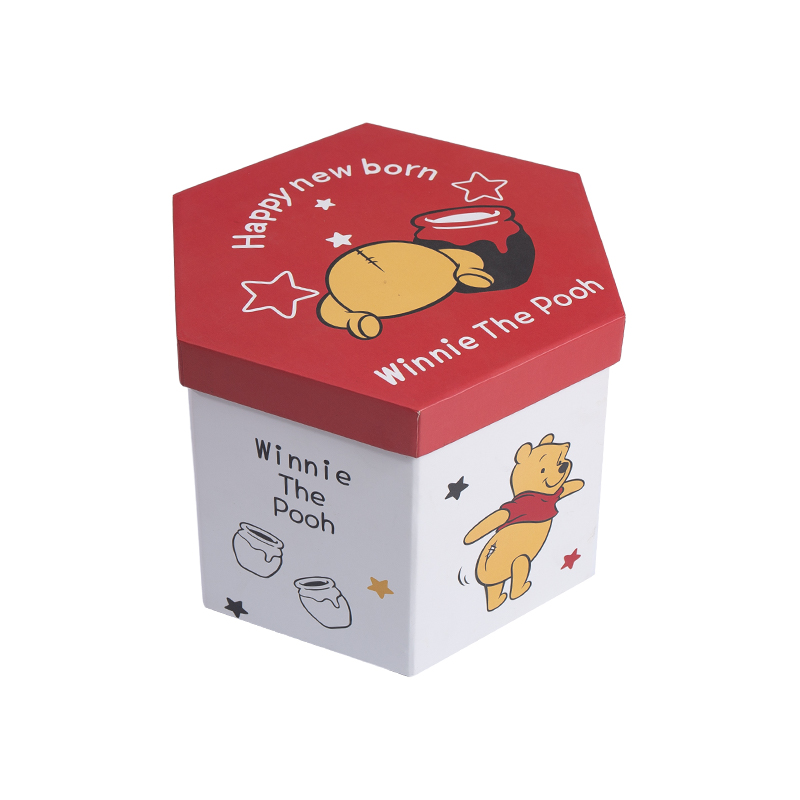
Seasonal and holiday printed personalized gift boxes
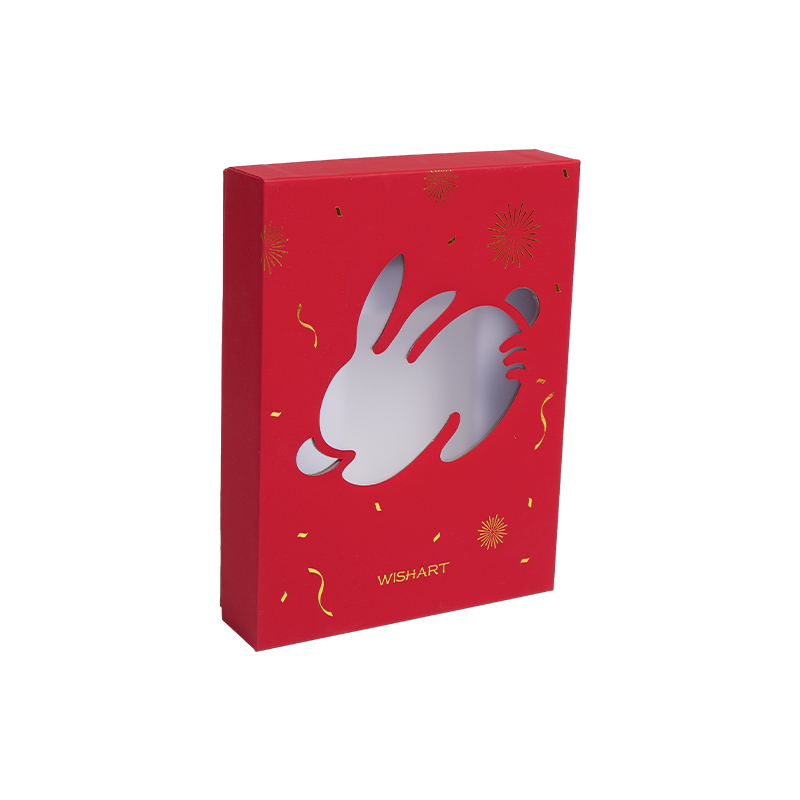
Holiday packaging follows a compressed production calendar. Buyers typically place orders three to five months before the selling season to secure materials, printing slots and ocean freight. Common formats include Christmas advent-style boxes, New Year corporate sets, Valentine gift boxes and mooncake gift boxes for Asian markets.
Magnetic closure Drawer style Book shaped Lid and base Holiday edition
Materials and Finishing for Printed High-End Personalized Gift Boxes
Material selection affects three outcomes: how the box feels in the hand, how well it survives freight, and whether it meets the sustainability requirements of the buyer's market. European and North American procurement teams increasingly require documented fiber sourcing, low-migration inks and recyclable mono-material construction.
Premium paperboard options for luxury gift box printing
| Material | Typical use | Surface behavior | Sustainability note |
|---|---|---|---|
| Rigid greyboard | Core structure | High stiffness | Recyclable in many streams |
| Art paper 157 gsm | Wrap and print surface | Smooth, ink receptive | FSC grades available |
| Specialty textured paper | Premium tactile wrap | Linen, leatherette feel | Depends on coating |
| Kraft and recycled board | Eco-positioned lines | Natural, visible fiber | High recycled content |
Eco-friendly printing and finishing solutions
Water-based inks and starch-based adhesives reduce volatile organic compound emissions during production. FSC-certified paper chains of custody allow buyers to print the FSC logo on the box, which supports corporate sustainability reporting. For markets with extended producer responsibility rules, mono-material designs that separate easily into paper streams are easier to recycle than multi-layer laminates.
Technical note: Soft-touch lamination feels premium but can complicate recycling. If the buyer's sustainability team requires recyclability, specify water-based coating or spot UV instead of full-surface plastic film.
FSC certified paper options
Water-based ink systems
Starch-based adhesive alternatives
Mono-material recyclable design
Finishing techniques and their functional role
- Foil stamping: metallic or colored foil transferred by heat and pressure; adds contrast and perceived value
- Embossing and debossing: raises or recesses the surface for tactile branding without ink
- Spot UV: glossy raised varnish on selected areas; creates light-reflection contrast against matte background
- Matte lamination: protects printed surfaces from scuffing during packing and transport
- Edge gilding: colored or metallic edge treatment for a jewelry-box appearance
Key Applications for Printed High-End Personalized Gift Boxes
Industry-specific requirements shape box dimensions, insert design and compliance documentation. A cosmetic buyer needs oil-resistant linings and precise bottle cavities. A food buyer needs food-grade contact materials and moisture control. Understanding the application shortens sampling cycles and reduces revision rounds.
Corporate business and employee incentive gift boxes
Companies order branded gift boxes for onboarding kits, milestone awards, holiday appreciation and client retention. The box often contains multiple items of different sizes, so a custom insert with labeled compartments improves presentation and reduces packing errors. Durability matters because these kits are frequently shipped individually to remote employees.
Cosmetics and luxury consumer product packaging
Cosmetic sets require tight tolerances, scratch-resistant interiors and often magnetic closure for a premium feel. Buyers should specify whether the box will be used for retail shelf display or e-commerce shipment, because e-commerce boxes need additional corner protection and a secondary shipping carton.
Food, tea and beverage premium gift packaging
Tea and specialty food gift boxes must address moisture, aroma and shelf life. Food-grade paper, odorless adhesives and barrier liners are common. For tea, compartmentalized trays separate varieties and allow the buyer to include tasting notes and brewing instructions.
Electronics custom printed presentation gift boxes
Electronics packaging prioritizes impact protection. Molded pulp or EVA inserts hold devices and accessories in place while preventing movement during transit. Anti-static linings may be required for sensitive components. Printed outer wraps carry brand identity without interfering with the protective structure.
Holiday and festival custom-printed personalized gift boxes
Seasonal packaging has a hard deadline. Production slots fill months in advance, and freight delays can eliminate the selling window. Buyers should confirm artwork approval dates, pre-production sample sign-off and shipment mode early in the project.
| Application | Priority | Recommended structure | Insert type |
|---|---|---|---|
| Corporate gifting | Presentation and durability | Magnetic closure | Paperboard divider |
| Cosmetics | Tight fit and scratch resistance | Magnetic or drawer | EVA or molded pulp |
| Tea and food | Moisture and aroma control | Lid and base | Food-grade tray |
| Electronics | Impact protection | Rigid lid and base | Molded pulp |
| Holiday | On-time delivery | Book or drawer | Custom compartment |
Why Choose a Specialized Manufacturer for Printed High-End Personalized Gift Boxes
Rigid box production is not the same as folding carton production. It requires separate equipment for board cutting, corner taping, wrap gluing, magnet insertion and finishing. A supplier with in-house capabilities controls quality at each stage and can troubleshoot structural problems before they reach mass production.
Complete in-house production capacity
An integrated workflow covers prepress, printing, die-cutting, board mounting, wrapping, insert forming and final inspection. This reduces the risk of color drift between printing and finishing, and it shortens the sampling cycle because structural and print samples can be produced under one roof.
Certified sustainable packaging standards
FSC certification provides chain-of-custody documentation for paper sourcing. ISO 45001 indicates an occupational health and safety management system, which matters to buyers conducting supplier audits. These certificates are not marketing decorations; they are procurement requirements in many institutional and retail supply chains.
Custom design and sample-making support
Experienced structural engineers can convert a flat artwork file into a dieline, recommend board thickness, test magnet pull force and produce a physical sample for fit and finish review. Buyers should request a pre-production sample that matches the final material and finishing specification, not a simplified mock-up.
Need a technical review of your packaging concept?
Share your box dimensions, artwork and quantity to receive a structural recommendation and price range.
Questions worth asking any rigid box supplier
- Can you provide FSC chain-of-custody documentation for the paper used?
- What is the tolerance on box dimensions after wrapping?
- How do you test magnet strength and lid alignment?
- What is the pre-production sample lead time?
- How are finished boxes packed to prevent corner damage in ocean freight?
Cost Factors and Order Planning for Personalized Printed Gift Boxes
Unit price in rigid box manufacturing is driven by more than print coverage. Board thickness, number of finishing operations, insert complexity, magnet count and packing method all contribute. Buyers who understand these variables can optimize the specification without compromising the unboxing experience.
| Cost driver | Impact on unit price | Optimization option |
|---|---|---|
| Board thickness | Moderate | Use 2 mm instead of 3 mm for smaller boxes |
| Number of finishing steps | High | Combine foil and emboss in one die where possible |
| Insert type | Moderate to high | Paperboard instead of EVA for lightweight items |
| Magnet count | Low to moderate | Two pairs instead of four for small lids |
| Order quantity | High | Consolidate seasonal SKUs into one production run |
Minimum order quantity and lead time planning
Rigid box production usually has a higher minimum order quantity than folding cartons because setup, die-making and hand assembly are labor-intensive. A realistic timeline for a new custom project includes structural design, artwork proofing, pre-production sample approval, material procurement, printing, assembly and freight. Buyers should build buffer time for Chinese New Year and peak holiday seasons.
Planning guideline: For a new rigid box with custom insert and premium finishing, allow 25 to 40 days for production after sample approval, plus transit time. Repeat orders with unchanged specifications can often be compressed.
How to write a request for quotation that gets accurate pricing
- State the internal dimensions of the box, not the product dimensions alone.
- Specify board thickness and preferred material.
- Describe the finishing operations required.
- Provide artwork in vector format with clear dieline requirements.
- State order quantity and whether repeats are expected.
- Mention any certification or compliance requirements.
Quality Control and Shipping Considerations
Rigid boxes are vulnerable to corner crushing, surface scuffing and lid misalignment. A documented quality control process at the factory prevents most of these issues before shipment. Buyers should also confirm how boxes are packed for export, because a well-made box can still arrive damaged if the carton configuration is poor.
In-line and final inspection checkpoints
- Board cutting tolerance check before wrapping
- Wrap paper alignment and corner fold quality
- Magnet position and lid closure test
- Insert fit verification with actual product or dummy
- Surface inspection under standardized lighting
- Random sampling for drop and compression resistance
Export packing methods for rigid gift boxes
| Packing method | Protection level | Best for |
|---|---|---|
| Individual poly bag | Dust and scuff | Retail-ready boxes |
| Corner protectors | Impact | Large magnetic boxes |
| Nested assembly | Volume reduction | Unprinted or simple boxes |
| Five-layer export carton | Compression | Ocean freight |
| Pallet with edge board | Handling | Large volume orders |
Humidity is a less obvious risk. Paper-based rigid boxes can absorb moisture during ocean transit, causing warping or lid tightness. Desiccant packs and moisture barrier liners inside the export carton reduce this risk for long routes.
Frequently Asked Questions About Printed High-End Personalized Gift Boxes
Q1: What is the minimum order quantity for printed high-end personalized gift boxes?
Minimum order quantity depends on box size, structure and finishing. Simple rigid boxes with one print color may start at a few hundred units. Complex magnetic boxes with custom inserts and multiple finishing operations typically require a higher minimum because of die-making and hand assembly. Buyers should confirm the exact minimum during quotation.
Q2: Can you print custom logos and artwork on luxury gift boxes?
Yes. Custom logo printing is the core of personalized gift box production. Artwork can be applied by offset printing, foil stamping, embossing, debossing or spot UV. Vector files are preferred for dieline accuracy, and a physical sample is recommended before mass production.
Q3: What lead time should I expect for custom printed personalized gift boxes?
After sample approval, production typically takes 25 to 40 days depending on complexity and order volume. Transit time is additional and varies by shipping method. Seasonal orders should be placed three to five months before the required delivery date.
Q4: Are printed high-end personalized gift boxes available with FSC-certified materials?
FSC-certified paper options are available for buyers with sustainable sourcing requirements. Chain-of-custody documentation can be provided so the buyer can support sustainability claims. Water-based inks and recyclable mono-material designs are also options.
Q5: How do I request a quotation for personalized printed gift boxes?
Provide the internal box dimensions, board thickness preference, finishing requirements, artwork files, order quantity and any certification needs. A detailed specification allows the supplier to return an accurate price and production timeline.
Q6: How does custom printed gift box packaging improve the unboxing experience?
A rigid structure, controlled lid resistance, fitted insert and tactile finishing create a deliberate opening sequence. This slows the interaction, increases attention on the product and makes the packaging more likely to be retained and reused.
Q7: Are personalized printed luxury gift boxes recyclable?
Recyclability depends on material combinations. Paper-based rigid boxes with water-based inks and paper inserts are generally easier to recycle. Plastic lamination, foam inserts and mixed-material assemblies can reduce recyclability. Buyers should specify recyclable construction if that is a market requirement.
Get Your Quote for Custom Printed High-End Personalized Gift Boxes
Printed high-end personalized gift boxes are a packaging investment that affects brand perception, product protection and sustainability reporting. The right specification balances structural rigidity, print quality, insert fit and material compliance. The wrong specification adds cost without improving the customer experience.
Start with a clear technical brief: internal dimensions, product weight, finishing requirements, quantity and certification needs. A structured quotation request shortens the sampling cycle and reduces the risk of costly revisions after production begins.
Tell us your box size, printing artwork and quantity.
We will send a detailed price and production timeline within 24 hours.
Whether the project is a corporate incentive kit, a cosmetic launch set or a holiday gift program, the goal is the same: packaging that protects the product, carries the brand and meets the buyer's compliance standards.