 中文简体
中文简体 
 English
Introduction
Cardboard packaging boxes have become an essential part of modern packaging due to their strength, versatility, and eco-friendliness. As the world shifts toward sustainability, understanding the lifecycle of cardboard packaging, particularly whether these boxes can be recycled, is crucial.
Understanding Cardboard Packaging Boxes
Cardboard packaging boxes are made from corrugated fiberboard, a material consisting of a fluted sheet of paper sandwiched between two flat layers. These boxes are widely used in the packaging industry for shipping, storage, and retail purposes. The primary appeal of cardboard packaging lies in its affordability, ease of customization, and recyclability.
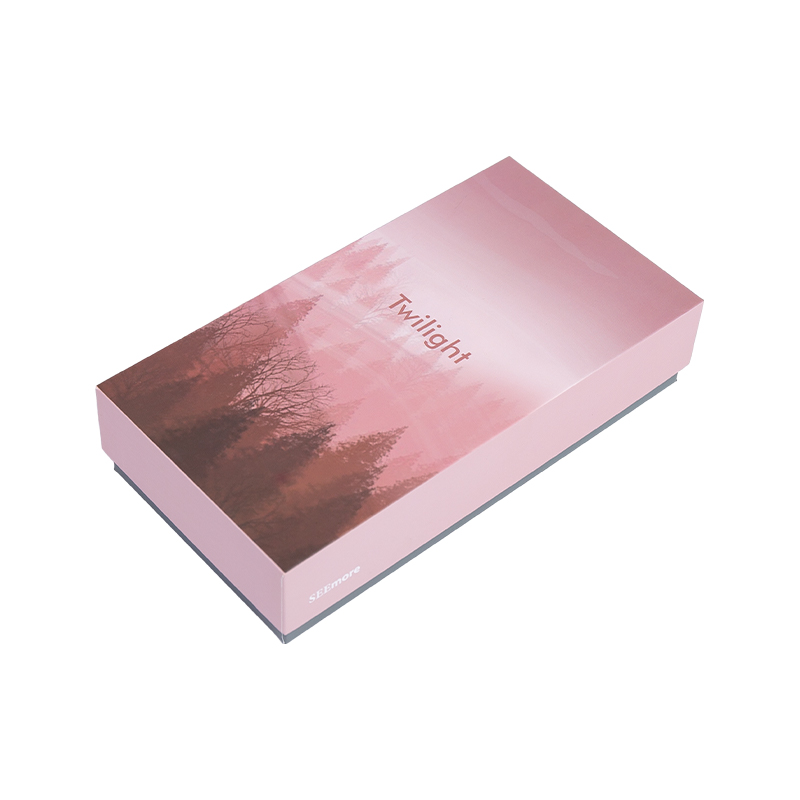
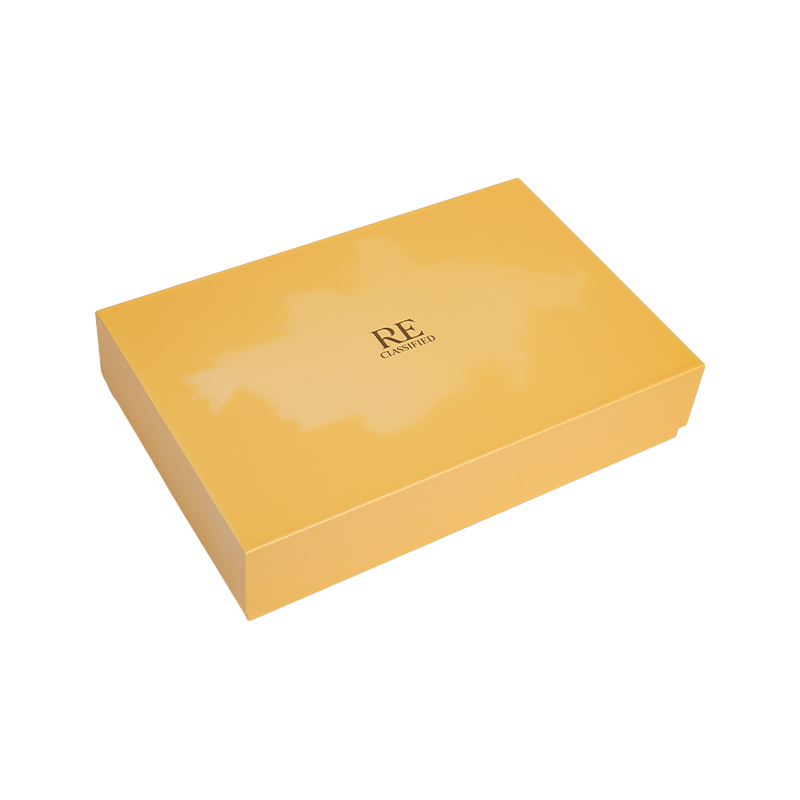
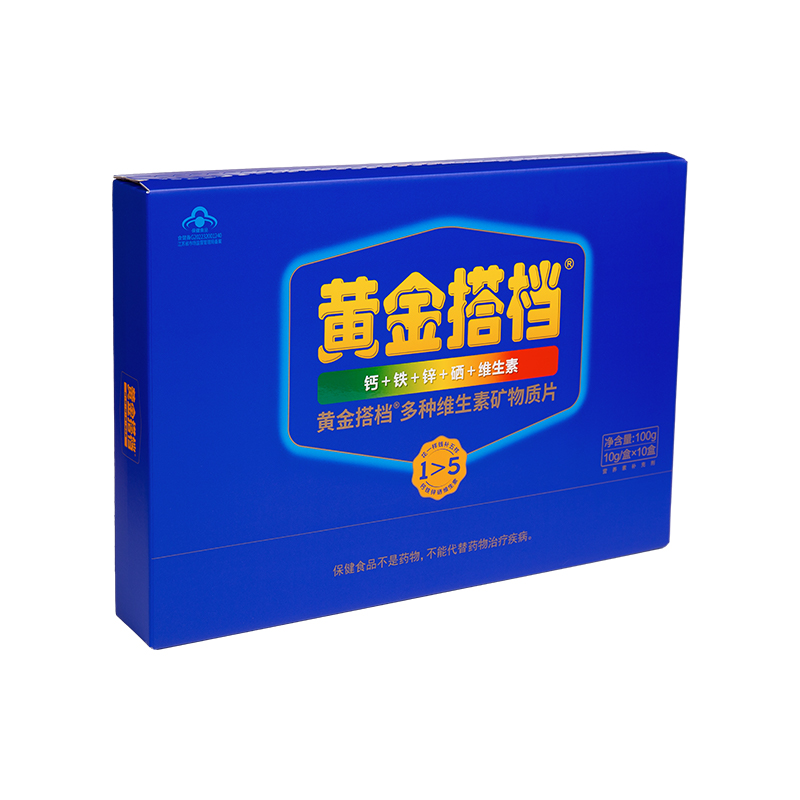
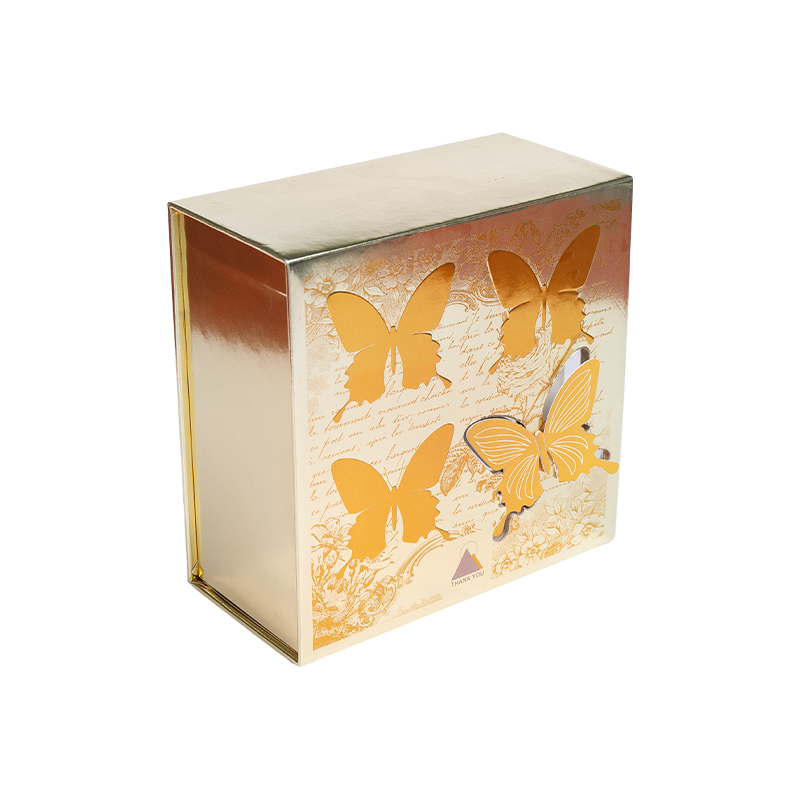
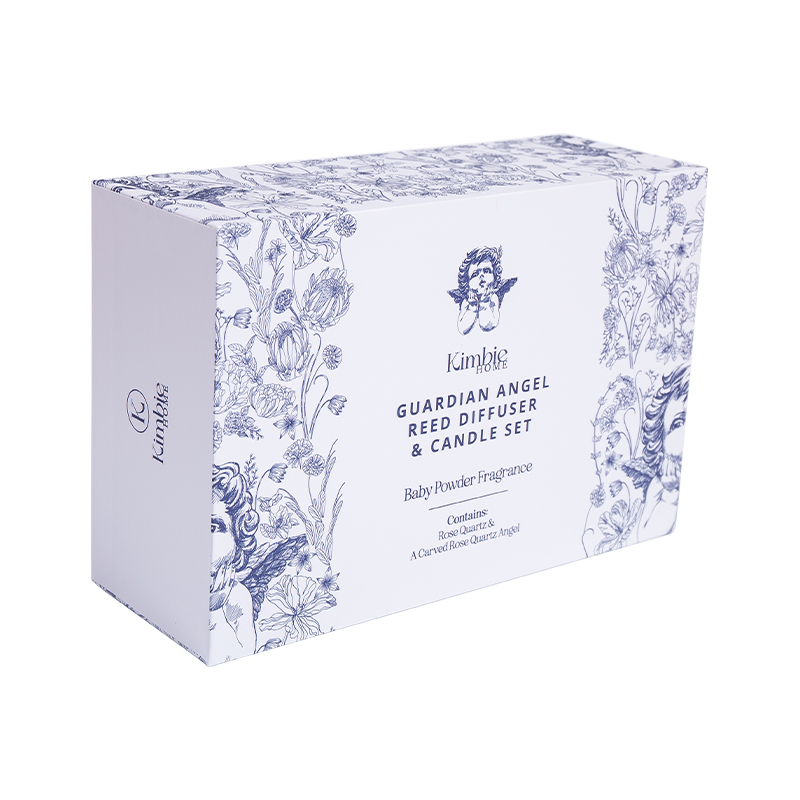
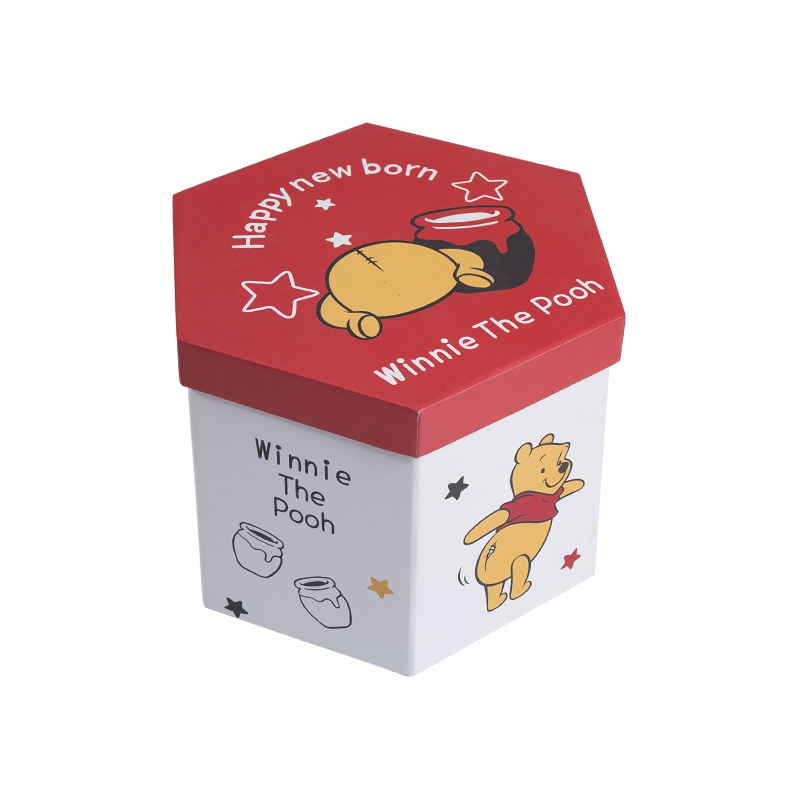
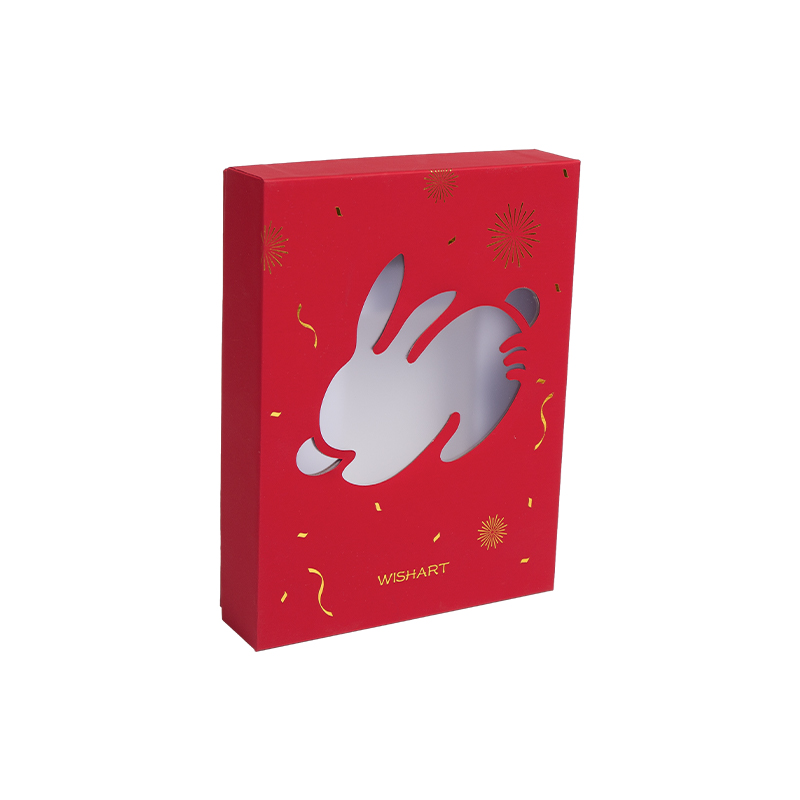
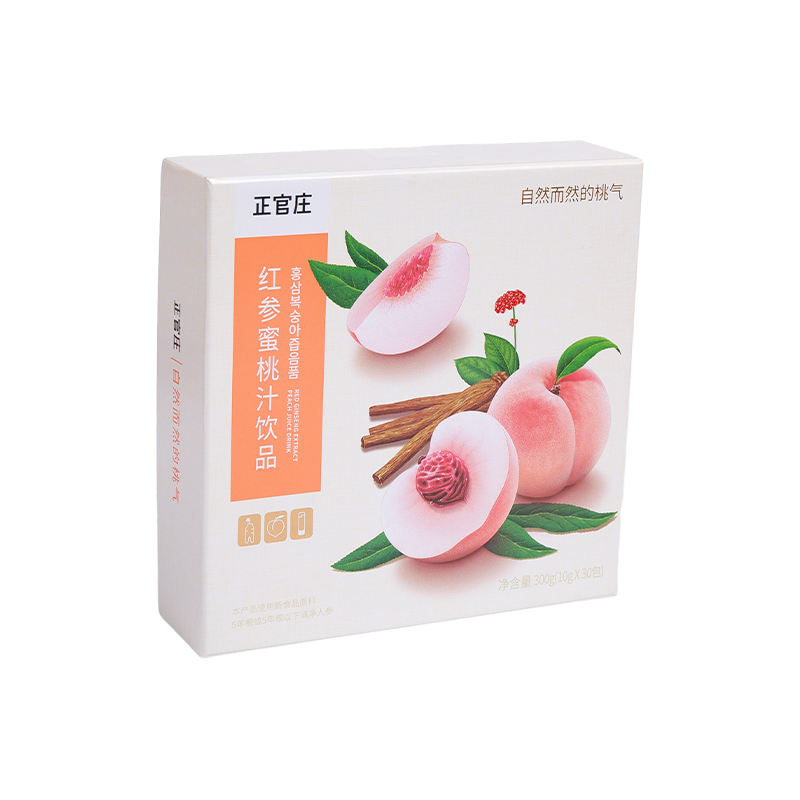
Printed recyclable cardboard packaging boxes, on the other hand, are typically used for retail products and often contain printed designs, logos, and other branding elements. While the presence of ink and coatings on these boxes raises questions about their recyclability, the core material—cardboard—remains recyclable under the right conditions.
The Lifecycle of Cardboard Packaging Boxes
Manufacturing:
The lifecycle of cardboard packaging begins with the raw materials: wood pulp, recycled paper, and sometimes other fibers. During the manufacturing process, these materials are transformed into a thick, corrugated cardboard. The fluting process adds strength, making cardboard packaging boxes durable for handling and shipping.
Usage:
Once manufactured, cardboard packaging boxes are put to use in various industries. They are used for shipping products, protecting items during transit, and displaying products on shelves. Their lightweight nature makes them a choice for reducing transportation costs.
End-of-Life (EOL):
After the box has served its purpose, it typically reaches the end of its life cycle. At this stage, the box is either disposed of as waste, reused, or recycled. The key to promoting sustainability lies in ensuring these boxes are properly recycled, instead of being sent to landfills.
Recycling Process of Cardboard Packaging Boxes
The recycling process of cardboard packaging boxes is both efficient and widely practiced. However, certain factors affect how well the recycling process works.
Collection:
Once used, cardboard packaging boxes are collected by waste management services. They are usually segregated from other types of waste, making them easier to process.
Sorting:
In recycling facilities, cardboard boxes are sorted based on their quality and composition. Printed recyclable cardboard packaging boxes might need extra attention to ensure that the ink and coatings do not interfere with the recycling process.
Shredding:
The sorted cardboard is then shredded into small pieces. This step helps break down the cardboard into manageable components, facilitating the removal of impurities like adhesives, labels, and coatings.
Pulping:
The shredded cardboard is mixed with water to form a pulp. This pulp is then cleaned to remove any contaminants such as ink or plastic coatings. In the case of printed recyclable cardboard packaging boxes, the printing ink is separated during this stage.
Reforming:
After the pulp has been cleaned, it is spread out onto large screens and dried. The dried pulp is then formed into sheets that resemble new cardboard, ready to be used for new products, such as packaging materials or paper goods.
Reusing:
The final recycled product can be used in manufacturing new cardboard packaging boxes, continuing the lifecycle in a closed-loop system. In some cases, recycled cardboard may also be used for other applications such as insulation or as raw material in paper mills.
Benefits of Recycling Cardboard Packaging Boxes
Recycling cardboard packaging boxes offers several environmental and economic benefits:
Reduction of Waste:
Recycling reduces the amount of waste sent to landfills, conserving space and preventing pollution.
Conservation of Resources:
Recycling cardboard helps preserve natural resources by reducing the need for virgin paper production, which requires cutting down trees.
Energy Savings:
The recycling process uses less energy compared to manufacturing new cardboard from raw materials.
Economic Value:
The recycling industry generates economic value by creating jobs in the collection, sorting, and processing of recycled materials.
Reduction in Carbon Footprint:
By reducing the need for new materials and saving energy, recycling cardboard significantly lowers carbon emissions, contributing to climate change mitigation efforts.
Challenges in Recycling Cardboard Packaging Boxes
Despite the benefits, there are challenges in recycling cardboard packaging boxes, particularly printed recyclable cardboard packaging boxes.
Contamination:
Cardboard boxes that are contaminated with food waste, grease, or chemicals may not be recyclable. These contaminants can affect the quality of the recycled product.
Printed Materials:
Ink, coatings, and adhesives used in printed recyclable cardboard packaging boxes can complicate the recycling process. Some inks and coatings contain chemicals that may affect the quality of recycled paper.
Transportation Costs:
Collecting and transporting recyclable cardboard can be costly, especially if the boxes are not properly separated from other waste materials.
Limited Recycling Capacity:
While cardboard recycling is widespread, some regions may lack the necessary facilities to process large volumes of cardboard packaging effectively.
Innovations in Cardboard Recycling
Recent innovations in cardboard packaging recycling focus on improving the quality of recycled materials and expanding recycling capabilities. Some of the notable advancements include:
Water-based Inks:
The use of water-based inks instead of oil-based ones has improved the recyclability of printed cardboard packaging, as water-based inks are easier to separate during the pulping process.
Biodegradable Coatings:
Researchers are working on developing biodegradable coatings for cardboard packaging, reducing the environmental impact of coatings that traditionally hinder the recycling process.
Automated Sorting Systems:
Advanced sorting technologies, such as optical sorters and AI-driven systems, have made it easier to separate high-quality cardboard from contaminants, improving the efficiency of recycling.
Lifecycle Comparison of Cardboard Packaging Boxes and Other Packaging Materials
| Stage | Cardboard Packaging | Plastic Packaging | Glass Packaging | Metal Packaging |
|---|---|---|---|---|
| Material Source | Wood pulp, recycled paper | Petroleum-based | Sand, soda ash, limestone | Metals (aluminum, steel) |
| Recycling Rate | High (up to 80%) | Low (less than 10%) | High (70-90%) | High (95%) |
| Energy Use | Low to moderate | High | Moderate | Moderate |
| Landfill Impact | Low (biodegradable) | High (non-biodegradable) | Low (recyclable) | Low (recyclable) |
| Recycled Product | New packaging, paper products | New plastic products | New glass containers | New metal products |
Conclusion
Cardboard packaging boxes are highly recyclable, making them an eco-friendly choice for packaging. The recycling process of cardboard, including printed recyclable cardboard packaging boxes, is efficient and plays a key role in reducing waste and conserving resources. While there are challenges, ongoing innovations and improvements in recycling technologies continue to enhance the sustainability of cardboard packaging.
FAQ
1. Can all cardboard packaging be recycled?
Yes, cardboard packaging can be recycled, but it must be clean and free from contaminants like food or grease.
2. Are printed cardboard packaging boxes recyclable?
Yes, printed recyclable cardboard packaging boxes are recyclable. However, the printing ink and coatings may require special handling during the recycling process.
3. How can I improve the recyclability of my cardboard packaging?
To improve recyclability, avoid using excessive ink or coatings, and ensure the cardboard is clean and free from contaminants.
4. What are the environmental benefits of recycling cardboard packaging?
Recycling cardboard reduces landfill waste, conserves resources, saves energy, and lowers carbon emissions.
5. Can recycled cardboard be used to make new products?
Yes, recycled cardboard is commonly used to produce new packaging, paper products, and even insulation materials.
 Previous