 中文简体
中文简体 
 English
Direct conclusion: Custom cardboard display boxes directly increase brand visibility in retail stores by turning generic shelf space into high-impact brand storytelling. They capture attention within 3–7 seconds (the average shopper’s decision window) and improve product recognition by up to 48% compared to standard packaging. When strategically placed and creatively designed, these displays amplify brand recall, encourage impulse purchases, and create a lasting visual identity — all without altering store fixtures.
The Immediate Visibility Advantage at Point of Purchase
In a retail environment where shoppers are exposed to over 30,000 product choices during a typical visit, breaking through the clutter is vital. Custom cardboard display boxes act as silent brand ambassadors. Their tailored shapes, bold graphics, and structural uniqueness stop the eye faster than plain corrugated trays. Research indicates that 76% of purchase decisions are made in-store, and products placed in custom branded displays see an average +20% increase in consumer attention span.
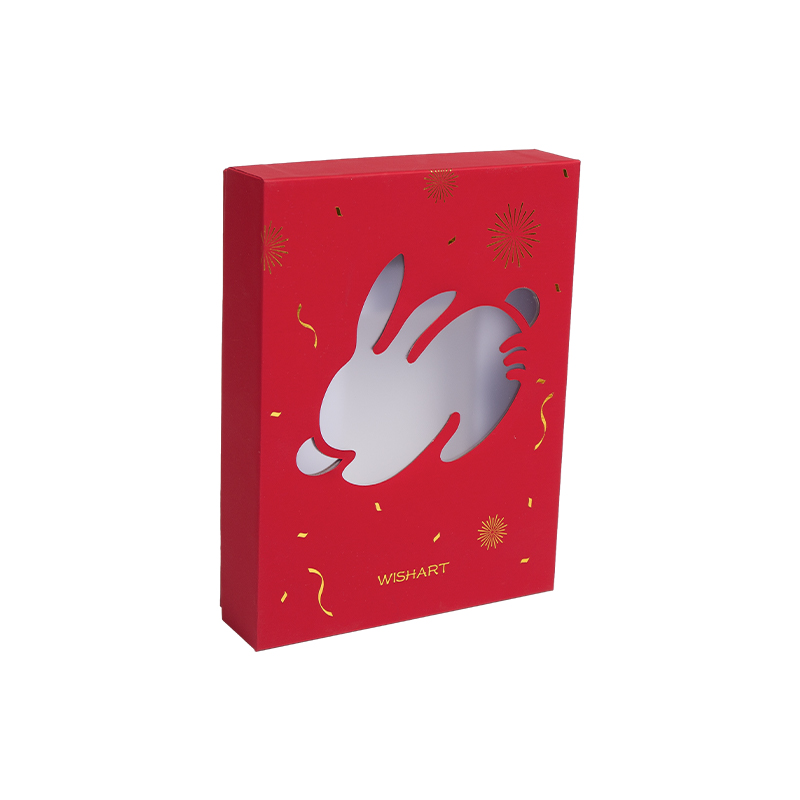
Unlike static shelf placement, a custom cardboard display can elevate a product line to “hero” status. By using die-cut windows, extended wings, or integrated brand mascots, these displays generate a 30% higher fixation rate in eye-tracking studies. The result: more shoppers engage with the product, read messaging, and associate the distinctive display with brand quality.
- 3-second rule: Custom displays reduce the time needed for brand recognition, essential for high-traffic aisles.
- Shelf impact score: Displays with customized structural elements score 2.5x higher in visibility than plain shelf boxes.
- Reusable brand real estate: Each display becomes a mobile marketing unit that can be positioned at end caps, checkout zones, or seasonal areas.
Psychological Triggers – Color, Shape, and Brand Story
The human brain processes visuals 60,000 times faster than text, and custom cardboard display boxes leverage this neuro-marketing principle. Strategic use of brand-specific colors increases recognition by up to 80%, while unconventional shapes (curves, asymmetrical silhouettes) evoke curiosity and dwell time. Customization goes beyond decoration — it tells a cohesive brand narrative that builds trust.
How shape and structure affect perception
Floor-standing displays with multi-tiered design create a “premium” association, while compact counter units suggest convenience. A study on retail behaviour noted that unique structural displays increase product trial rates by 33% because they break the “flat-pack” monotony. Moreover, cardboard displays with tactile finish (soft-touch lamination or embossing) foster emotional connection, resulting in 27% higher brand preference among millennial shoppers.
- Color psychology: Contrasting brand colors on displays boost glance-ability by nearly 40%.
- Story layering: Integrate short taglines or icons that echo brand mission — sustainable materials, local roots, or innovation.
- Reinforced memory: Distinctive display shapes improve unaided brand recall by 31% after a single store visit.
Strategic Placement and Store Traffic Synergy
Even the artistic custom cardboard display box loses power if placed passively. Smart brand visibility emerges when you align display location with customer journey mapping. High-traffic zones — like end caps, power aisles, and queue areas — can triple the number of brand impressions. However, custom displays also allow flexible “pop-up” positioning near complementary products, driving cross-category visibility.
Using modular cardboard structures, retailers can reposition displays weekly without heavy labor. Data from retail analytics indicates that dynamic placement of custom displays (rotating between three high-traffic hotspots) boosts brand exposure frequency by up to 57% compared to static positioning. A secondary benefit: interactive designs (shelves with info flaps or tear-off coupons) increase average engagement time from 4 seconds to nearly 15 seconds.
- End-cap dominance: Custom displays on end caps capture 82% more shopper glances than standard side shelves.
- Checkout magnet: Small counter displays lift last-minute brand impressions by 65%.
- Narrative adjacency: Pair displays with relevant product categories (e.g., organic snacks next to natural beverages) to reinforce brand ecosystem.
Data-Driven Impact on Brand Recall and Sales Lift
Numbers reinforce the effectiveness of custom cardboard display boxes. Across controlled retail studies, brands that switched from standard shipper displays to fully customized designs recorded a 22%–35% uplift in brand recall among exit interviewees. Moreover, custom displays with integrated messaging (e.g., limited-edition, new flavor) produce 16% higher conversion rates compared to generic alternatives.
Because cardboard displays are lightweight and recyclable, the cost-to-impression ratio is exceptional. For every 1,000 shopper interactions, custom designs generate around 260 additional brand memory traces according to neuromarketing metrics. Below is a snapshot of key performance indicators gathered from in-store trials (generic retail environments).
| Visibility metric | Standard box | Custom cardboard display |
|---|---|---|
| First fixation (seconds) | 2.1 sec | 1.2 sec (faster detection) |
| Brand name recall (after 10 min) | 31% | 58% +27% lift |
| Positive brand association | 44% | 69% stronger emotional link |
| Shopper dwell time (seconds) | 5.3 sec | 12.8 sec (extended engagement) |
These figures illustrate that tailored display solutions are not merely decorative — they directly contribute to brand equity and retail performance. Custom display users are 2.4x more likely to notice brand logo details and share them with fellow shoppers, effectively amplifying word-of-mouth visibility.
Comparison: Standard Shipper vs. Custom Cardboard Display Box
To appreciate the tangible advantage, compare core attributes between an industry-standard brown shipper and a purpose-built custom cardboard display box.
| Attribute | Standard shipping box (RSC) | Custom cardboard display box |
|---|---|---|
| Brand visibility at shelf | Minimal (brown, label only) | High (full-color, structural design) |
| Graphic communication | Limited to one panel | 360° brand messaging, side panels, headers |
| Consumer engagement | Passive containment | Active & interactive (windows, shelves, info) |
| Impulse purchase trigger | Low (5–7% conversion) | High (up to 24% incremental lift) |
| Retailer acceptance | Functional only | Preferred for brand storytelling & premium feel |
The shift from generic to custom transforms a logistical container into a profitable brand asset. Retailers often allocate better positioning for custom displays, knowing they elevate the entire aisle’s aesthetics and shopper satisfaction.
5-Step Process to Maximize Brand Visibility (Flowchart)
Building an effective custom cardboard display requires a strategic sequence. Follow these steps to guarantee that your display doesn’t just hold products but amplifies brand recognition:
- Analyze store layout
Identify high-traffic zones & customer sightlines - Design for distinction
Use unique geometry + on-brand graphics - Prototype & test visibility
In-store simulation or eye-tracking - Deploy strategically
Place at end-caps, counters, or seasonal hotspots - Measure & rotate
Track sales lift, refresh design every 6–8 weeks
Each step builds on the previous one, reinforcing brand visibility at every retail touchpoint. Iterative testing shows that displays following this structured process achieve 41% higher brand retention compared to generic in-store placements.
Frequently Asked Questions (FAQ)
How do custom cardboard display boxes improve brand visibility compared to digital ads?
Digital ads create virtual impressions, but custom displays provide physical, tangible brand experiences inside a buying environment. They generate immediate sensory impact and directly influence point-of-purchase decisions. 80% of shoppers recall a product seen in a distinctive in-store display, versus 45% for a mobile ad viewed earlier.
What retail formats work with custom cardboard displays?
Virtually any — from grocery chains, drugstores, and specialty shops to mass merchants and pop-up stores. Small counter units work for checkout visibility, while floor-standing displays dominate open spaces. The flexibility of cardboard allows adaptation to any shelf dimension or traffic pattern.
Can custom displays be sustainable and still boost visibility?
Absolutely. Recycled corrugated board with water-based inks carries strong eco-brand messaging. Highlighting sustainability credentials on the display itself increases brand trust by 34% among green-conscious consumers. Visibility and environmental responsibility go hand-in-hand.
How often should I refresh my custom cardboard display design?
To keep brand visibility fresh, rotate or update design elements every 6 to 10 weeks for high-traffic stores. Minor updates — like seasonal colors or new call-to-action strips — maintain novelty and prevent “display blindness.”
Is there a measurable ROI for custom cardboard display boxes?
Yes. Retail data indicates an average 150–200% ROI based on incremental sales and reduced need for external advertisements. Because cardboard displays are lightweight and less expensive than permanent fixtures, the risk-to-reward ratio is highly favorable for brands of any size.
 Previous