 中文简体
中文简体 
 English
Printed recyclable cardboard packaging boxes combine brand printing with environmentally responsible paper-based materials, offering a practical solution for product protection, presentation and branded packaging. Whether you are an e-commerce retailer, food manufacturer, cosmetics producer or logistics company, these boxes can be customized in size, structure, printing, surface finish and design to meet specific packaging requirements. Understanding how they are made, what options are available and how to select the right supplier will help you make informed decisions for your business.
What Are Printed Recyclable Cardboard Packaging Boxes?
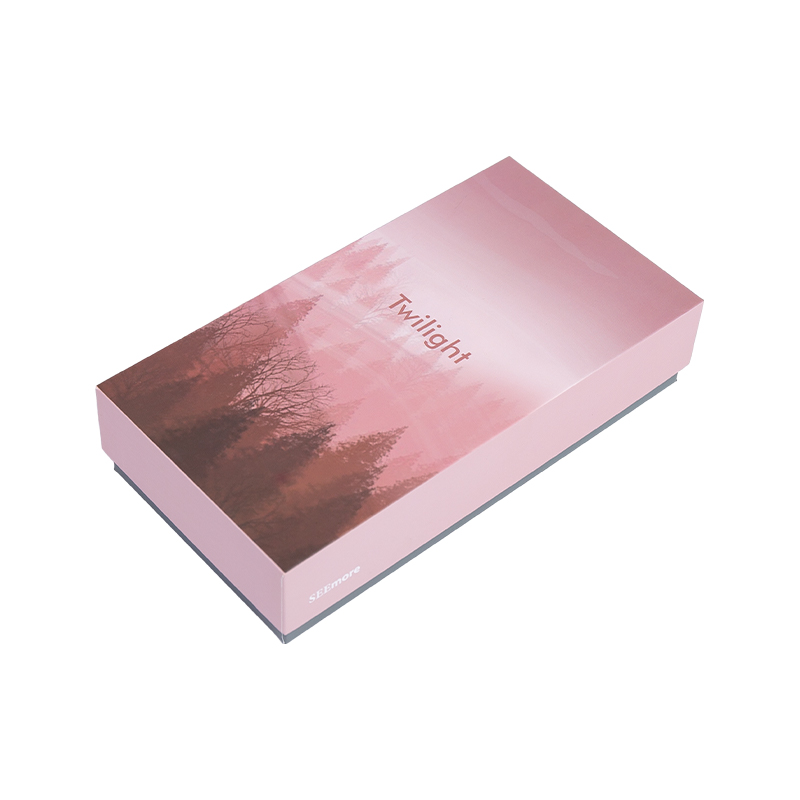
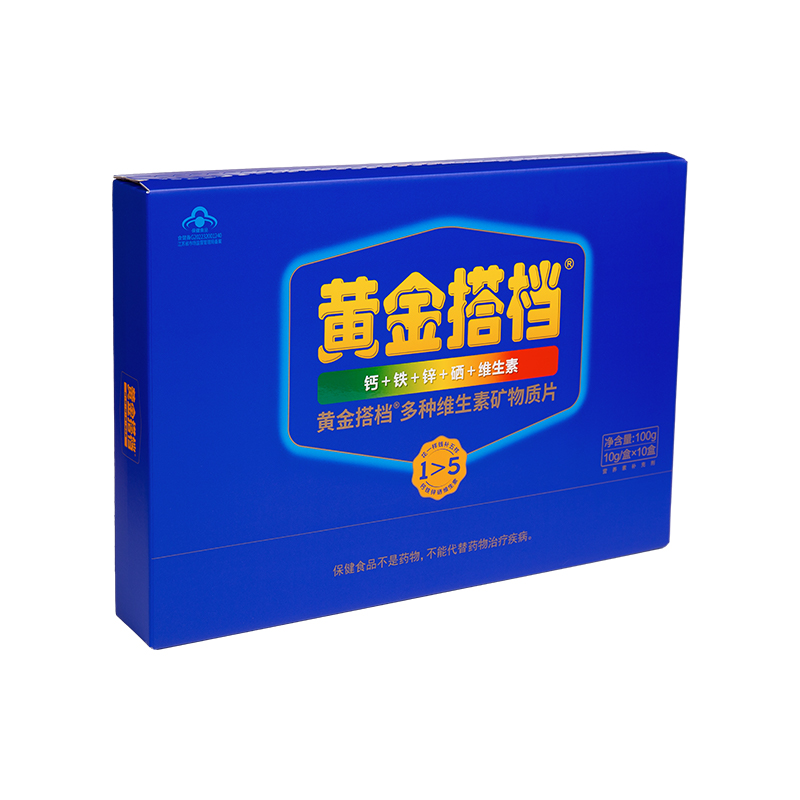
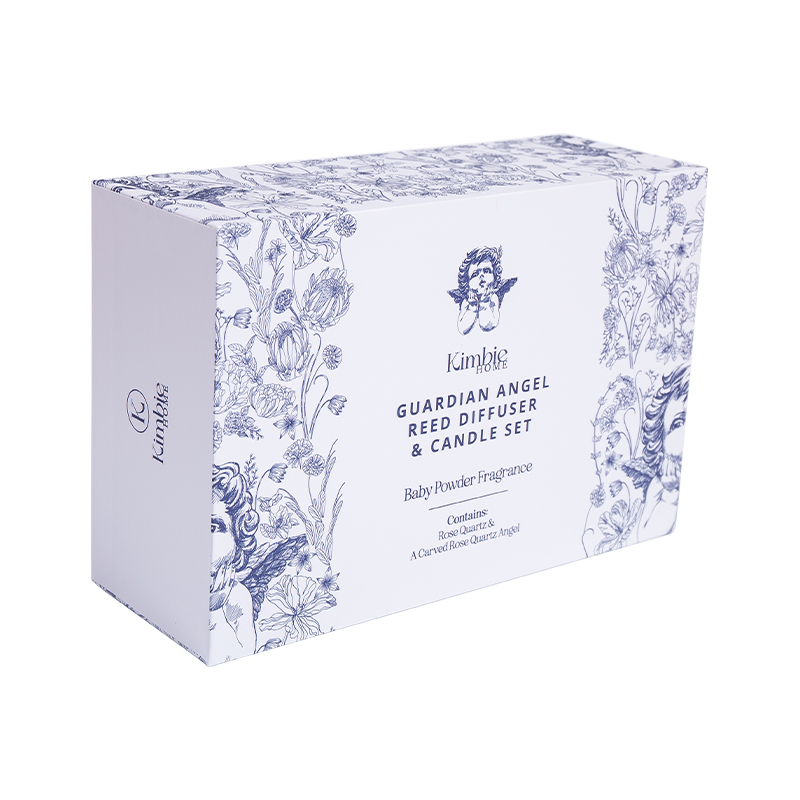
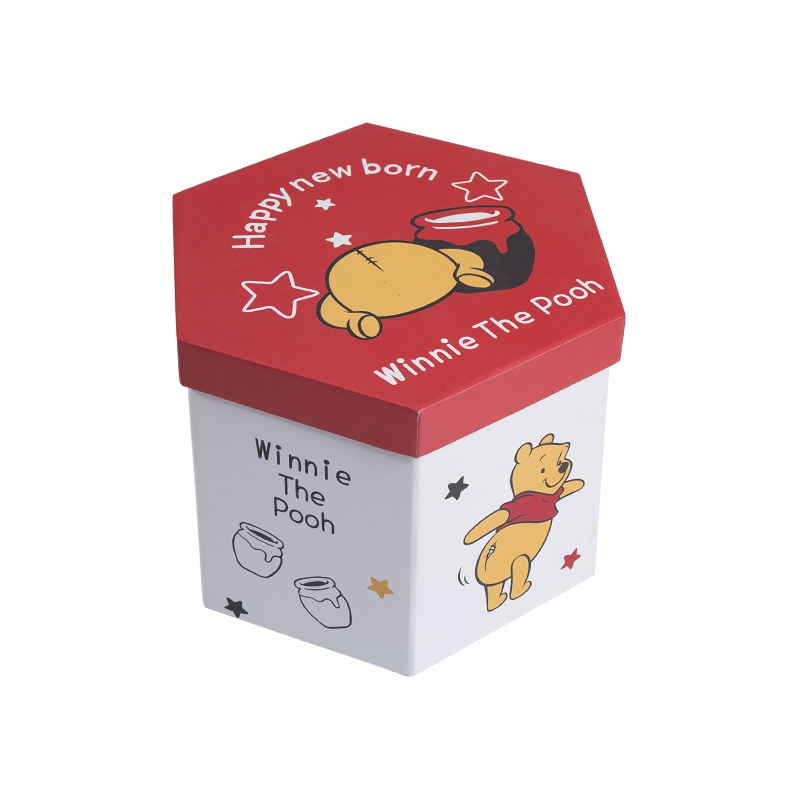
Printed recyclable cardboard packaging boxes are containers made from paper-based materials that can be returned to the recycling stream after use. The "printed" aspect refers to custom graphics, logos, text and designs applied to the surface during manufacturing. These boxes serve multiple purposes: they protect products during shipping, present your brand to customers at the point of purchase, and provide information about the contents or company.
The term "recyclable" indicates that the material composition allows the box to be processed and converted into new paper products. Unlike single-use plastic packaging, recyclable cardboard boxes support circular economy principles. The customization process means you are not limited to standard box styles or colors; instead, your packaging can reflect your brand identity and meet the specific dimensions your products require.
Key characteristics of printed recyclable cardboard packaging boxes include:
- Customizable dimensions to fit different product sizes
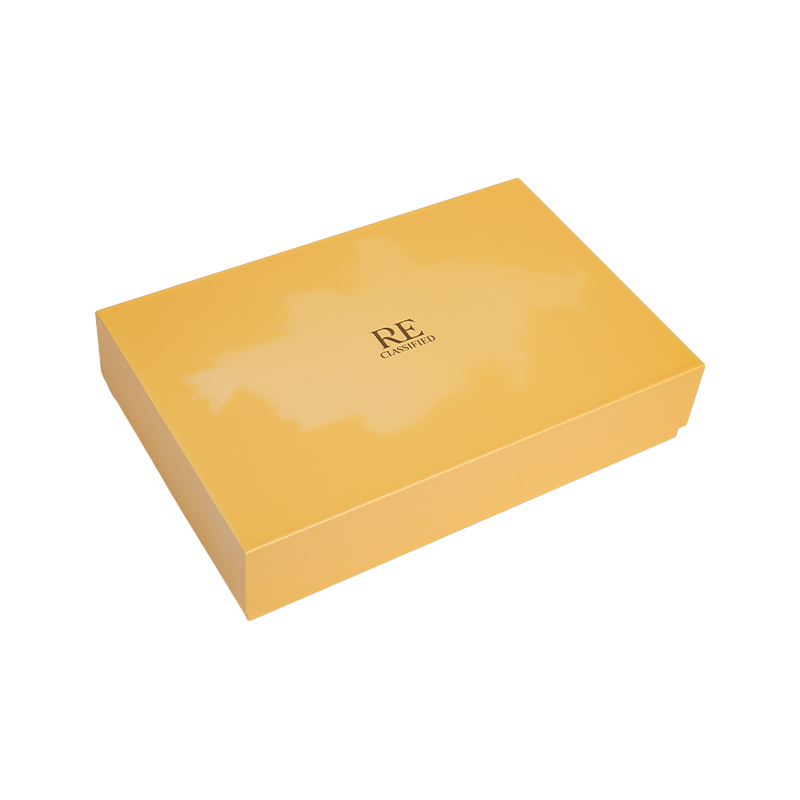
- Multiple box structures: folding cartons, tuck-end boxes, mailer boxes, rigid boxes and display packaging
- Printing options ranging from simple single-color logos to full-color photographic designs
- Various surface finishes such as matte, gloss, soft-touch and metallic effects
- Ability to add inserts, dividers and structural elements for product protection
- Branding opportunities through custom printing and material selection
What Materials Are Used for Recyclable Cardboard Packaging Boxes?
The material selection forms the foundation of your packaging solution. Different cardboard and paperboard types offer distinct advantages depending on your application, budget and sustainability goals.
| Material Type | Key Characteristics | Common Applications |
|---|---|---|
| Corrugated Cardboard | Lightweight with excellent cushioning; composed of fluted layers between flat liners | E-commerce shipping boxes, heavy product protection, logistics |
| Kraft Cardboard | Natural paper appearance with good strength; made from kraft pulp | Eco-friendly packaging, natural/organic product boxes, artisanal brands |
| Folding Carton Board | Smooth surface ideal for high-quality printing; lighter than corrugated | Retail packaging for cosmetics, food, consumer goods, premium products |
| Recycled Cardboard | Made from recovered paper fibers; lower cost than virgin material | Sustainable packaging initiatives, cost-conscious applications |
| Paperboard | Smooth, printable surface with good stiffness; single-layer construction | Product boxes, retail packaging, small items, display boxes |
The choice of material depends on several factors: weight of the product being packaged, distance it will travel during shipping, visual presentation requirements and budget constraints. For heavier items requiring protection during long-distance shipping, corrugated cardboard is often preferred. For retail packaging where visual impact matters, folding carton board or premium paperboard provides a smoother surface for detailed printing.
How Are Printed Recyclable Cardboard Boxes Made?
The manufacturing process for printed recyclable cardboard boxes involves multiple stages, each contributing to the final quality and appearance of your packaging.
Material Selection and Preparation
The process begins with selecting the appropriate cardboard or paperboard type based on your specifications. Raw materials are received, inspected and stored under controlled humidity conditions to maintain consistency. The material is then prepared for the next stage by trimming to appropriate dimensions.
Box Structure Design and Planning
Before any production begins, the box structure is determined through computer-aided design. This includes deciding whether the box will be a standard folding carton, tuck-end design, mailer box or custom structure. Die specifications are created based on your final box dimensions, accounting for flaps, overlaps and printing area. The design must balance structural integrity with print space requirements.
Printing
Printing is applied to the flat cardboard sheets before they are cut and folded. This timing is important because printing flat material ensures consistent color and registration. The printing method used depends on order volume and design complexity. Digital printing works well for small quantities and complex artwork, while offset or flexographic printing is more economical for large volumes.
Die Cutting
After printing, the cardboard sheets pass through die cutting equipment. Sharp steel dies cut the material into the precise box shape, creating the outline for folding lines and flaps. This stage shapes the flat cardboard into what is called a "blank" or "flat." Precision in die cutting directly affects how well the box folds and how professional it appears when assembled.
Folding and Gluing
The die-cut blanks move to folding and gluing equipment where the material is scored along fold lines, then folded into three-dimensional box shape. Adhesive is applied to flaps and overlaps, and the box is formed. Some production lines do this manually for specialty boxes, while high-volume operations use automated machinery.
Quality Inspection and Verification
Each completed box is inspected for printing quality, structural integrity, proper folding and gluing. Inspectors check for registration errors, ink consistency, damaged corners or flaps and overall appearance. Defective boxes are removed from the production line.
Packaging, Labeling and Shipment
Finished boxes are stacked, counted and packed into larger cartons or pallets for shipping. Labels may be applied indicating quantity, destination and handling instructions. The complete order is then prepared for shipment to your location.
What Printing Options Are Available for Cardboard Packaging Boxes?
The printing method you select affects the cost, quality, color range and production timeline. Different methods suit different order volumes and design complexities.
Offset Printing
Offset printing is a traditional method that transfers ink from a metal plate to a rubber blanket, then to the cardboard surface. It delivers excellent color accuracy and consistency, making it ideal for complex multicolor designs. Offset printing is most economical for large orders (typically 5,000+ units) because setup costs are significant, but the per-unit cost decreases with volume.
Flexographic Printing
Flexographic printing uses flexible relief plates and is particularly suited to corrugated cardboard. It handles high-speed production and is cost-effective for large volumes. While it produces good results for solid colors and simple graphics, it is less suitable for photographic or highly detailed artwork. This method is commonly used for shipping box printing.
Digital Printing
Digital printing applies ink directly to the cardboard surface without plates or setup processes. It enables quick production of small orders and allows for variable data (such as different designs for each box or personalized content). Digital printing excels at handling complex artwork and photo-quality images. It is ideal for testing designs, short runs and custom orders, though the per-unit cost is higher than offset for large volumes.
Custom Logo and Branding Printing
Whether you are adding a single-color logo, two-color brand mark or full-color design, printing can be applied to any surface of the box: the lid, base, side panels or interior. Multiple printing areas are possible on a single box to maximize your branding opportunity.
Full-Color Packaging Printing
Full-color printing using CMYK process allows you to reproduce photographic images, gradients and complex color combinations. This is ideal for retail packaging where visual impact drives purchasing decisions. Full-color printing works well with both offset and digital methods, depending on order volume.
How Can Printed Recyclable Cardboard Packaging Boxes Be Customized?
Customization is where cardboard packaging boxes become truly valuable to your business. Nearly every aspect of your packaging can be tailored to your specific needs.
Box Dimensions and Sizing
You can specify exact length, width and height measurements for your box. These should accommodate your product with minimal excess space (which wastes material and increases shipping costs) while providing adequate protection. Custom sizing ensures efficient use of material and optimal presentation at retail or upon delivery.
Box Structures and Styles
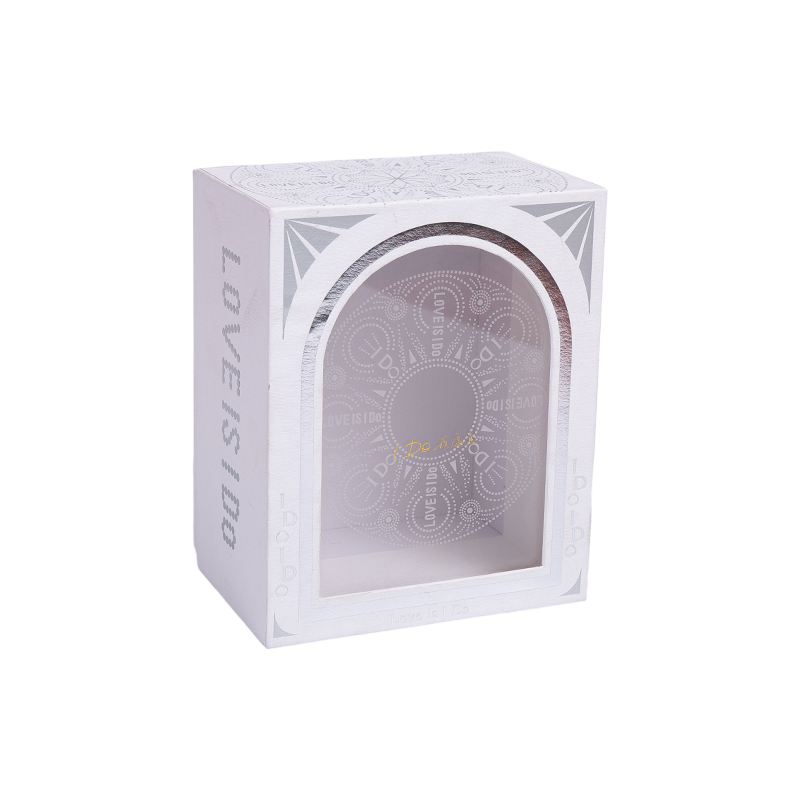
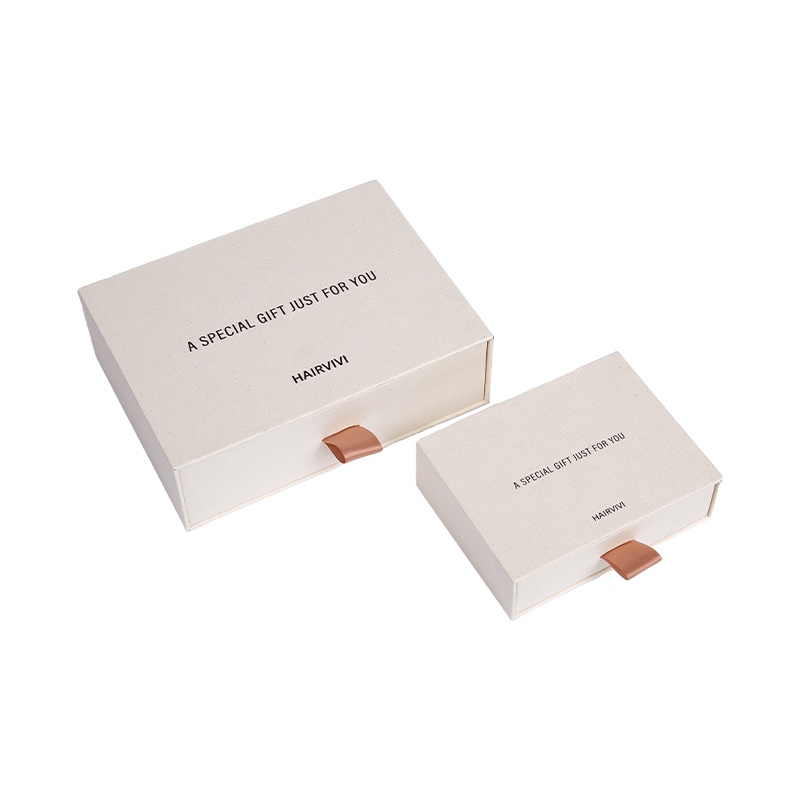
Different structures serve different purposes. Folding cartons are lightweight and ideal for retail goods. Tuck-end boxes allow products to slide in and close securely. Mailer boxes are designed for flat-rate shipping. Rigid boxes offer premium presentation for luxury items. Display boxes can be stored flat and assembled by customers. Choose the structure that best suits your product type and logistics requirements.
Material Selection
Select from corrugated cardboard for durability, kraft paper for natural appearance, folding carton board for smooth printing surface or recycled materials for sustainability focus. The material choice affects box strength, printing quality and cost.
Printing Design and Artwork
Work with designers to create artwork that reflects your brand identity. Your design can include logos, product images, brand colors, product information, regulatory compliance text and call-to-action messages. Printing can be applied to one, multiple or all surfaces of the box depending on your design needs.
Surface Finishes and Effects
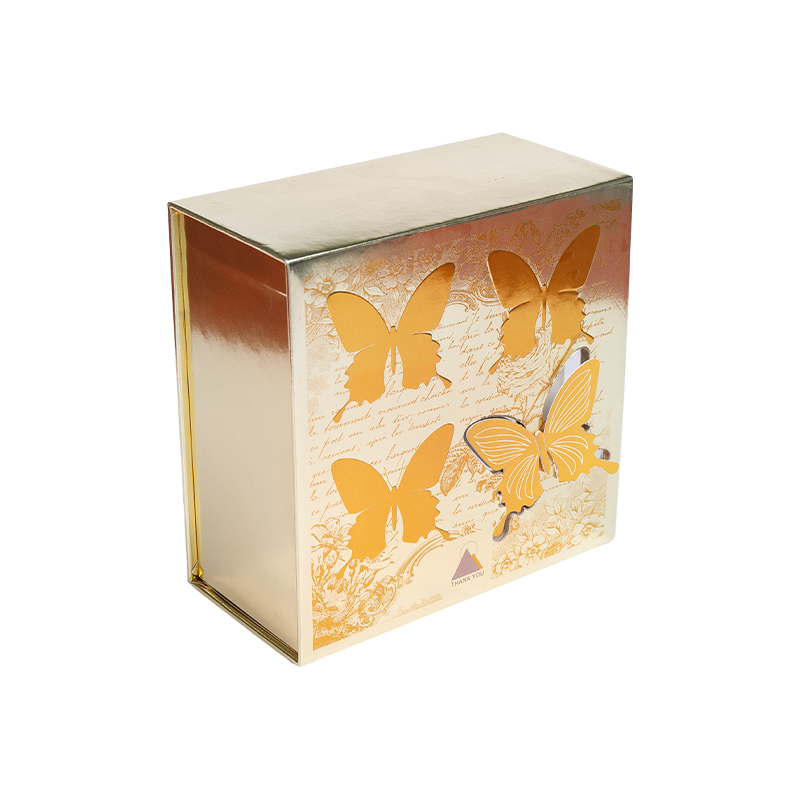
Beyond ink color, you can apply special finishes. Matte finish creates a subtle, sophisticated appearance. Gloss finish adds shine and vibrancy. Soft-touch coating provides tactile appeal and premium feel. Metallic or foil printing adds visual interest and luxury appeal. Spot varnish highlights specific design elements.
Interior Inserts and Structural Support
Cardboard dividers, tissue paper, foam inserts or custom-formed supports can protect products inside the box and enhance presentation. These elements are particularly valuable for fragile items, gift packaging or multi-product boxes.
Branding and Logo Placement
Strategically place your logo and brand elements where they will be most visible and impactful. Front panel branding drives retail shelf presence. Side panel printing is visible when boxes are stacked. Interior printing creates surprise and delight when customers open the box.
Packaging Quantity
Order quantities range from small runs (ideal for startups or seasonal products) to large volumes (offering better per-unit pricing for established brands). Minimum order quantities vary by printing method and production setup.
| Customization Element | What You Can Specify | Impact on Your Brand |
|---|---|---|
| Size | Precise length, width and height in millimeters or inches | Perfect fit, material efficiency, professional appearance |
| Structure | Folding carton, tuck-end, mailer, rigid, display box | Functionality, customer experience, unboxing appeal |
| Material | Cardboard type, thickness, recycled content percentage | Durability, printability, sustainability messaging |
| Printing | Logo, graphics, text, colors, number of print areas | Brand identity, product information, customer engagement |
| Finish | Matte, gloss, soft-touch, metallic, spot varnish | Premium appeal, tactile experience, visual distinction |
| Inserts | Dividers, tissue, foam, custom-formed supports | Product protection, presentation quality, unboxing experience |
Printed Recyclable Cardboard Packaging Boxes for Different Industries
Different industries have distinct packaging requirements driven by product characteristics, shipping methods, regulatory requirements and market expectations.
E-Commerce and Online Retail
E-commerce businesses require boxes that protect products during shipping, present the brand effectively when customers receive orders and support sustainable practices. Corrugated cardboard mailer boxes are popular for their durability and cost-effectiveness. Branding is critical at this touchpoint since the box is often the first physical interaction a customer has with your brand. Custom printing of logos, thank-you messages and sustainability statements converts a functional box into a brand experience.
Food and Beverage Packaging
Food packaging must meet regulatory requirements for ingredient disclosure, allergen warnings and nutritional information. Boxes must protect food from contamination and maintain freshness. Folding carton board provides a smooth, clean surface ideal for food branding. Custom printing allows you to communicate product benefits, cooking instructions and brand story to consumers.
Cosmetics and Personal Care
The cosmetics industry relies heavily on packaging aesthetics to communicate brand positioning and luxury appeal. Printed recyclable cardboard boxes can showcase product visuals, ingredient lists and usage instructions. Premium finishes like gloss, soft-touch or metallic printing create the sophisticated appearance that cosmetics consumers expect and are willing to pay for.
Electronics and Technology Products
Electronics require protective packaging to prevent damage during shipping and handling. Corrugated cardboard with custom inserts and foam protectors keeps delicate components secure. Printed branding on electronics boxes reinforces product positioning and creates immediate visual recognition in retail or unboxing environments.
Retail and Point-of-Sale Packaging
Boxes displayed on store shelves must capture attention and communicate value to consumers who spend seconds making purchasing decisions. Full-color printing, eye-catching design and clear product information are essential. Shelf-ready packaging that displays directly without additional unpacking increases retail efficiency and presentation appeal.
Gift and Luxury Packaging
Premium unboxing experiences drive customer satisfaction and social media sharing. Luxury packaging boxes can feature multiple-color printing, specialty finishes, custom inserts and premium materials. These boxes transform products into gifts and create memorable customer experiences that extend brand loyalty beyond the transaction.
Why Choose Recyclable Cardboard Packaging?
Beyond the practical advantages of customization and cost-effectiveness, recyclable cardboard packaging offers compelling environmental and business benefits.
Recyclability and Circular Economy
Cardboard is one of the most recycled materials globally. After customers use your box, it can be collected, sorted and processed into new cardboard or other paper products. This circular approach reduces the need for virgin materials and diverts waste from landfills. Unlike plastic packaging that degrades with each recycling cycle, cardboard can be recycled multiple times with minimal loss of material quality.
Paper-Based Material Benefits
Paper and cardboard are derived from renewable resources. Responsible forestry practices ensure that trees harvested for paper production are replanted. Paper production requires less energy than many alternative materials and generates fewer toxic byproducts compared to plastic or metal manufacturing.
Brand Presentation and Consumer Perception
Printed cardboard boxes allow unlimited customization in design, color and finish. Your packaging becomes an extension of your brand identity. Consumers perceive cardboard packaging favorably compared to plastic, associating it with sustainability and care. This positive perception can influence purchasing decisions, particularly among environmentally conscious consumers.
Lightweight Material Advantages
Cardboard is significantly lighter than alternatives like rigid plastics or metals. This reduces shipping weight and associated transportation costs and emissions. Lower shipping weights mean better delivery economics and reduced carbon footprint per shipment.
Customizable Design Flexibility
Unlike standard packaging options, printed cardboard boxes can be designed to your exact specifications. Whether you need a unique size, special structure, custom graphics or personalized messaging, cardboard manufacturing offers flexibility that supports your brand differentiation strategy.
Packaging Optimization for Cost and Waste Reduction
Custom-sized boxes mean less wasted space and less material used per package. Right-sizing your packaging reduces both costs and environmental impact. This optimization also improves shipping efficiency and customer satisfaction (customers prefer compact, well-presented packages).
How Much Do Printed Recyclable Cardboard Packaging Boxes Cost?
The cost of printed recyclable cardboard packaging boxes varies significantly based on multiple factors. Understanding these factors helps you budget accurately and identify opportunities to optimize spending.
The cost of printed recyclable cardboard packaging boxes depends on several factors rather than a single fixed price. Most orders are quoted individually based on your specifications.
Material Type and Quality
Corrugated cardboard costs less than premium folding carton board. Recycled material typically costs less than virgin material. Heavier material weight increases cost due to increased material usage per box. Material choice directly impacts total project cost.
Box Size and Dimensions
Larger boxes require more material and cost more to produce. However, the relationship between size and cost is not purely linear; boxes cut more efficiently from material sheets may cost less than expected. Your supplier can advise on optimal sizes that balance functionality with efficiency.
Box Structure Complexity
Simple folding cartons cost less than complex structures with multiple compartments or custom designs. Structures requiring custom die tools increase setup costs. Rigid boxes with lids cost significantly more than folding cartons due to additional manufacturing steps.
Printing Method and Coverage
Digital printing is more cost-effective for small quantities and complex artwork. Offset printing becomes more economical at larger volumes but requires significant setup investment. Full-color printing costs more than single-color printing. Printing on multiple box surfaces increases costs proportionally.
Printing Design Complexity
Simple logo printing costs less than photographic designs. Detailed artwork with many colors increases production time. Variable data printing (different designs per box) may incur premium charges for setup and production management.
Surface Finishing and Special Effects
Basic boxes cost less than those with gloss coating, soft-touch finish or metallic printing. Spot varnish and other specialty finishes add cost. Premium finishes signal quality to consumers but increase unit costs.
Custom Inserts and Internal Structures
Boxes with dividers, foam padding or custom-formed inserts cost more than simple boxes. These elements add material and manufacturing labor. However, they protect products and enhance perceived value, often justifying the added cost.
Order Quantity and Volume Discounts
Larger orders typically have lower per-unit costs due to economies of scale and amortized setup costs. A 10,000-unit order costs less per box than a 1,000-unit order. However, inventory carrying costs and space constraints may make smaller orders more practical for some businesses. Suppliers often offer tiered pricing that rewards volume commitments.
Shipping and Packaging Requirements
Boxes must be packaged securely for shipment to your location. Long-distance shipping or special handling requirements increase delivery costs. Some suppliers include shipping in their quotes while others charge separately.
How to Choose a Printed Recyclable Cardboard Packaging Box Supplier
Selecting the right supplier affects packaging quality, costs, lead times and overall success of your packaging initiative. Evaluate potential suppliers across multiple dimensions.
Material and Printing Capabilities
Verify that the supplier can provide the specific materials you require. Confirm they offer the printing methods you need (offset, flexographic, digital). Ask about color accuracy standards and quality control processes. Request samples of similar projects to assess quality firsthand.
Customization and Design Support
Determine whether the supplier offers design services or requires you to provide finished artwork. Some suppliers include basic design support while others partner with design studios. Clarify who is responsible for preparing files, color matching and artwork approval.
Production Capacity and Reliability
Ask about production capacity to ensure they can meet your volume requirements. Inquire about lead times for different order sizes. Check whether they maintain safety stock of materials and can handle urgent orders. Look for suppliers with multiple production lines that can handle unexpected demand.
Quality Control and Consistency
Understand their quality assurance processes. Do they conduct pre-production approvals? How do they handle color matching and printing registration? What is their defect rate and how do they address problematic orders? Request references from existing customers about quality consistency.
Sample Development Service
Most suppliers offer sample production before committing to full orders. This allows you to evaluate materials, printing quality, box structure and overall appearance. Sample services help ensure the final product meets your expectations and reduce risk of expensive mistakes at full production.
Minimum Order Quantities
Different suppliers have different MOQ requirements. Some accept small orders (500-1,000 units) while others require minimums of 5,000+ units. Choose a supplier whose MOQ aligns with your business needs and inventory capacity.
Lead Times and Delivery Options
Standard lead times typically range from 10-20 business days after artwork approval. Expedited production may be available at premium costs. Clarify whether delivery time includes shipping to your location or only production time. Ask about available shipping methods and costs.
Packaging and Shipping Standards
Boxes should be packed securely to prevent damage during shipping. Ask how many boxes are packed per carton and how the larger cartons are stacked on pallets. Understand shipping options: standard ground, expedited, or local pickup. Poor packaging protection negates all other quality advantages.
OEM and ODM Capabilities
OEM (Original Equipment Manufacturing) means they can produce boxes to your specifications. ODM (Original Design Manufacturing) means they can also assist with design development. Some suppliers offer both services. Clarify what level of design support is available and whether there are additional fees.
Pricing Transparency
Request detailed quotes that break down costs by material, printing, die-cutting, assembly and shipping. Compare quotes from multiple suppliers carefully. Lower price is not always better if it compromises quality or reliability. Look for suppliers who provide clear, itemized pricing.
What Information Should You Provide When Requesting a Quote?
Providing complete information accelerates the quotation process and ensures accurate pricing. Suppliers need these details to generate meaningful quotes.
- Box Dimensions: Specify length, width and height in your preferred measurement units (millimeters or inches)
- Material Specification: Indicate cardboard type, weight and any material preferences (virgin, recycled, kraft, etc.)
- Box Structure: Specify the box style (folding carton, tuck-end, mailer, rigid, display box) and any special features
- Printing Specifications: Describe colors, coverage (full-color, spot color, or metallic), number of print areas and any special finishes
- Artwork and Design: Provide artwork files (or describe design concept if design support is needed) and indicate preferred file format
- Quantity Required: Specify your initial order quantity and any anticipated future volumes
- Product Application: Describe what will be packaged and how it will be used (shipping, retail display, gift packaging, etc.)
- Surface Finishing: Specify desired finish (matte, gloss, soft-touch, etc.) or special effects (foil, spot varnish)
- Custom Inserts: Indicate whether the box needs dividers, tissue, foam padding or other internal elements
- Shipping Destination: Provide your delivery location to enable accurate shipping cost calculation
Sample Quote Request Message:
Need custom printed recyclable cardboard packaging boxes? Gather your box dimensions, material requirements, design files, estimated quantity and intended application. Submit this information to suppliers for a detailed quotation that includes material costs, printing fees, die-cutting, assembly and delivery charges.
Frequently Asked Questions
Q1: Are printed cardboard packaging boxes recyclable?
Yes, most printed cardboard packaging boxes are recyclable. The paper and cardboard base material can be processed into new cardboard or other paper products. However, the recyclability can be affected by certain additives: heavy metallic coatings, wax lining or plastic lamination may require specialized recycling processes. Most standard printing inks and water-based coatings do not prevent recycling. To ensure recyclability of your boxes, consult with your supplier about material composition and printing methods used.
Q2: Can recyclable cardboard boxes be custom printed with complex designs?
Absolutely. Modern printing technology allows you to reproduce photographic images, complex color combinations and intricate designs on cardboard. Offset printing and digital printing both handle detailed artwork effectively. The main limitation is the surface quality of the cardboard: folding carton board and premium paperboard provide smoother surfaces suitable for detailed printing compared to corrugated cardboard. Work with your supplier to assess whether your specific design is technically feasible and to understand any cost implications.
Q3: What printing methods work best for small quantity orders?
Digital printing is typically the best choice for small quantity orders because it requires no setup plates or special preparation. Digital printing also allows variable data (different designs per box) and rapid turnaround times. Offset printing requires expensive plate setup making it uneconomical for small runs unless you split setup costs across multiple orders. Discuss order volume with your supplier to determine the most cost-effective printing method for your situation.
Q4: How long does it typically take to produce printed cardboard packaging boxes?
Standard production timelines range from 10 to 20 business days after artwork approval, depending on complexity and order volume. This includes material preparation, printing, die-cutting, folding, gluing and quality inspection. Some suppliers offer expedited production (5 to 10 days) at premium costs. Shipping time to your location is typically added to production time. Always clarify whether quoted lead times include shipping or only production.
Q5: What is the minimum order quantity for custom printed cardboard boxes?
Minimum order quantities vary by supplier and production method. Digital printing suppliers may accept orders as low as 500-1,000 units. Offset printing typically requires minimums of 5,000-10,000 units to justify setup costs. Some specialty suppliers work with even smaller minimums. Discuss your volume requirements with potential suppliers to find one whose MOQ aligns with your business needs. Remember that larger orders typically have better per-unit pricing due to economies of scale.