 中文简体
中文简体 
 English
Introduction
When it comes to packaging fragile products, the selection of appropriate materials is critical. Cardboard packaging boxes are a choice for protecting items during shipping, but the decision-making process is more complex than just picking any box.
Why Choose Cardboard Packaging Boxes?
Cardboard packaging boxes have long been the go-to choice for shipping and storing various products. Their popularity stems from a combination of benefits, such as:
- Cost-effectiveness: Compared to other materials like wood or plastic, cardboard is affordable and readily available.
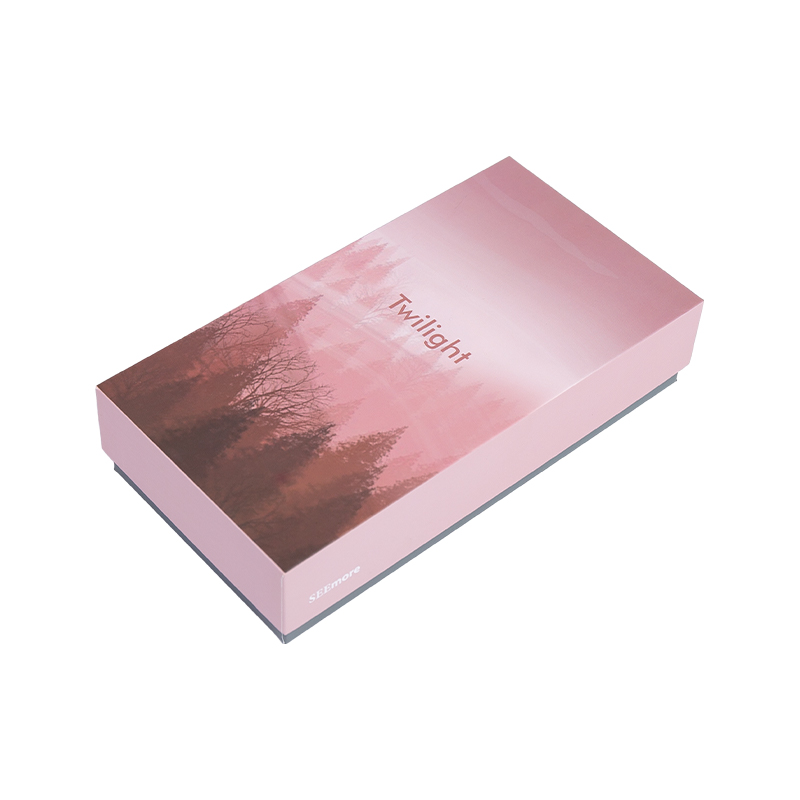
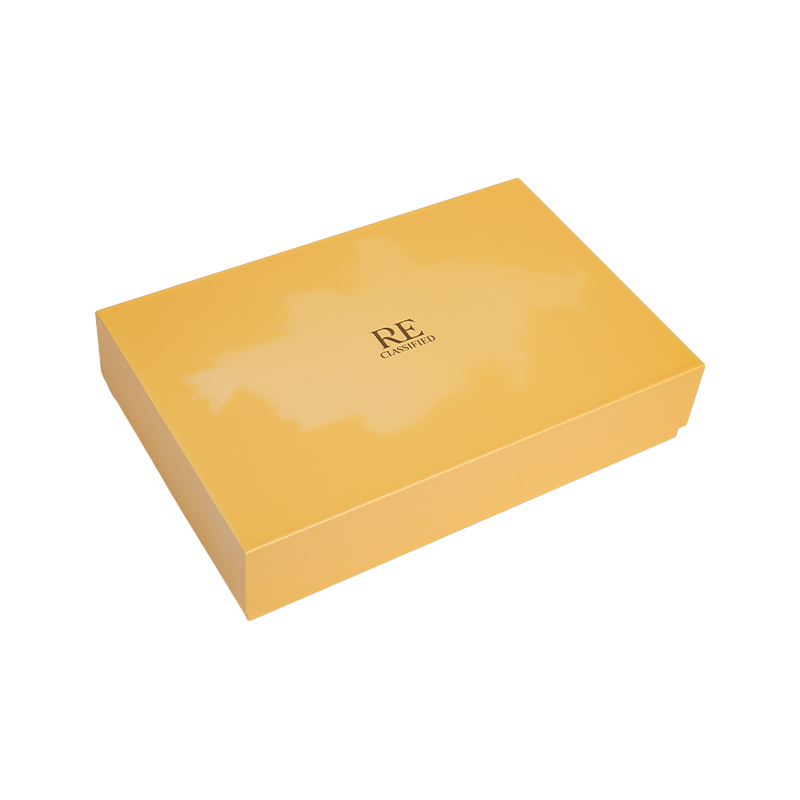
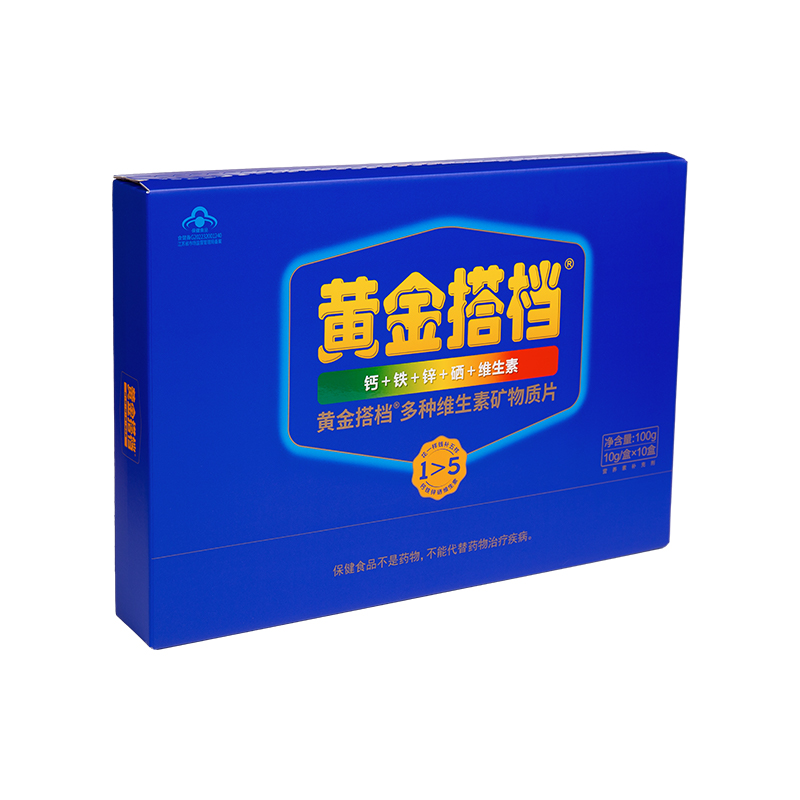
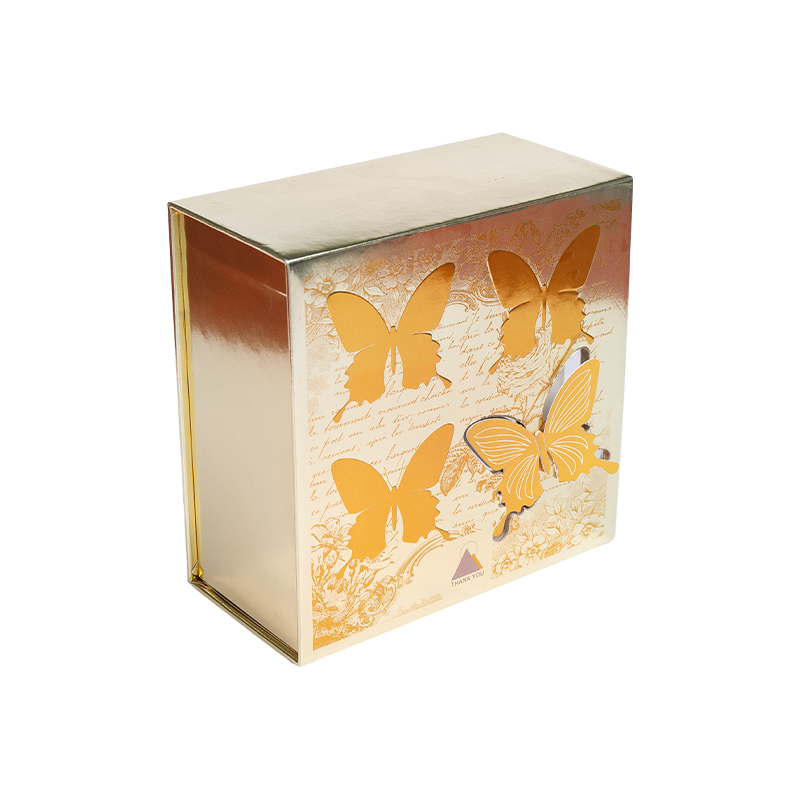
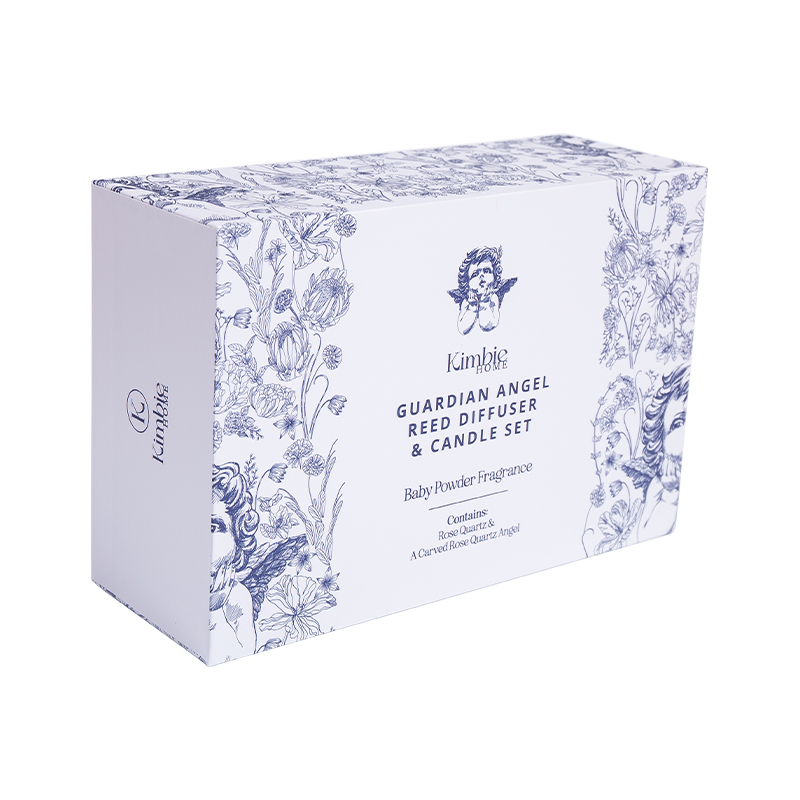
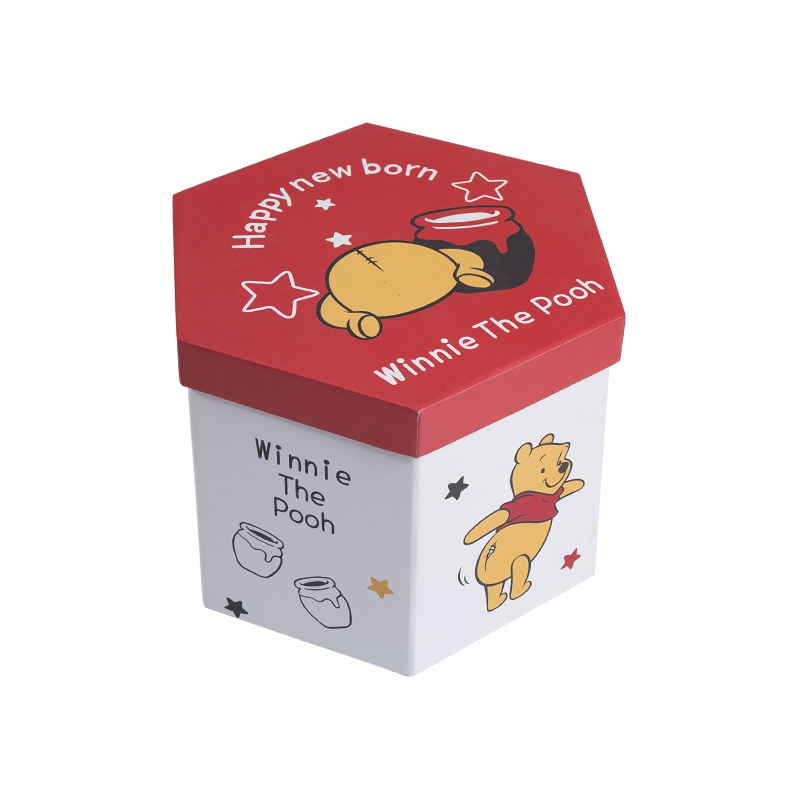
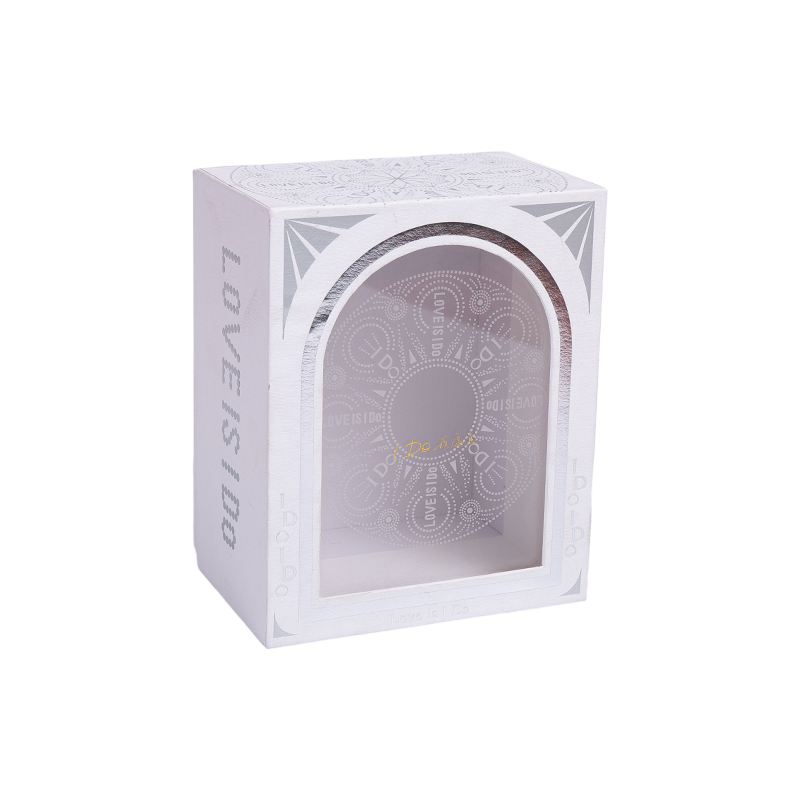
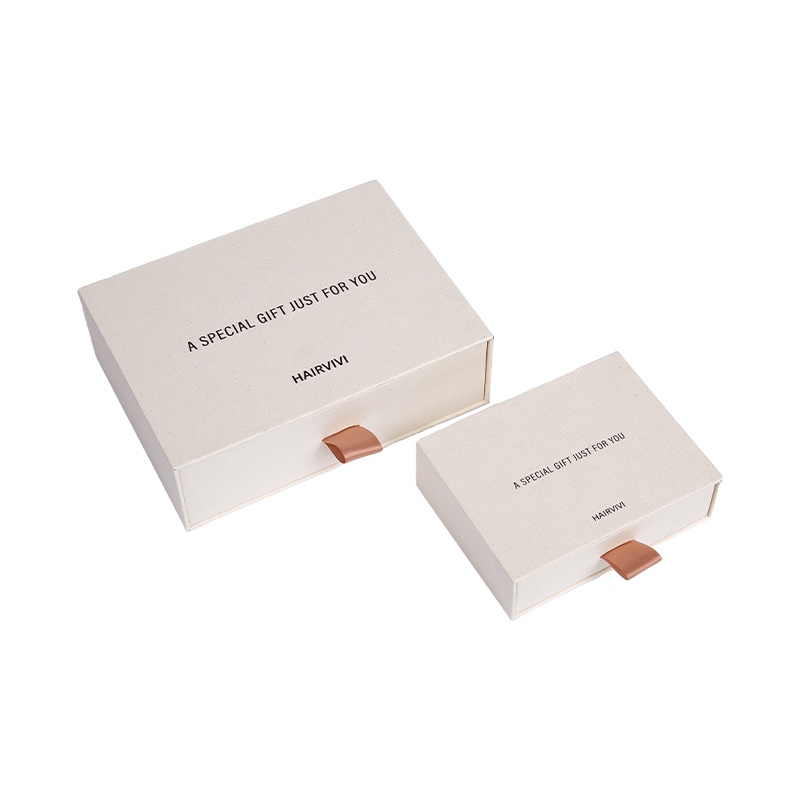
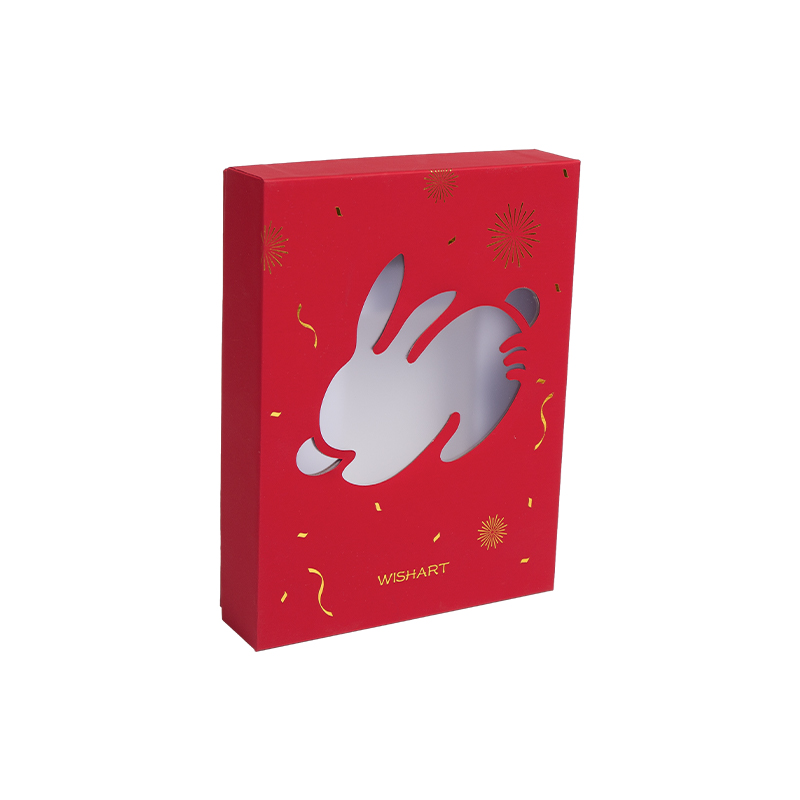
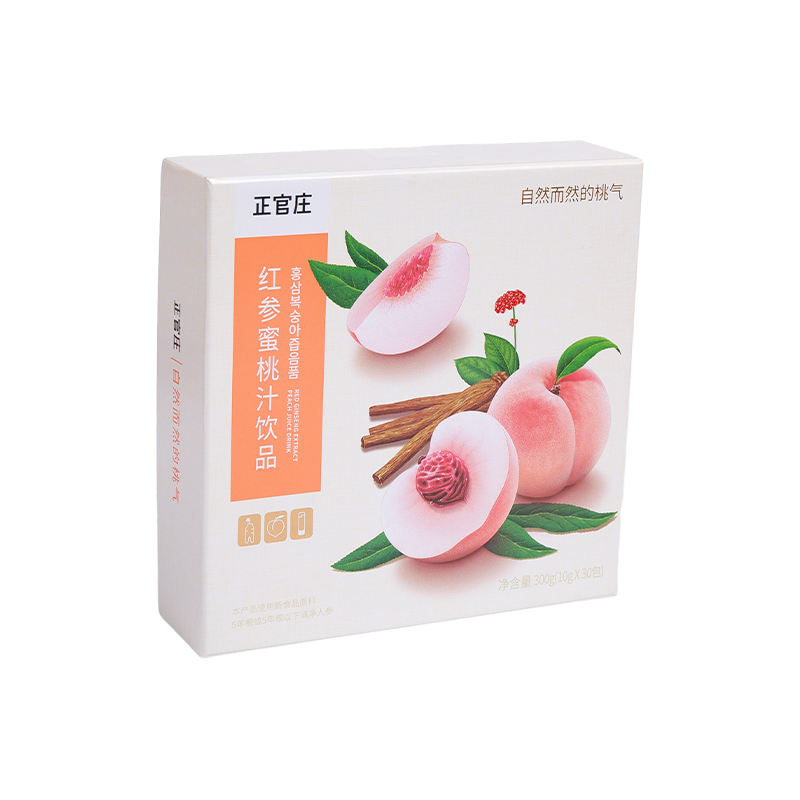
- Customization: Cardboard can be printed with branding and marketing messages. For businesses looking to enhance their product’s presentation, printed recyclable cardboard packaging boxes are an ideal solution.
- Eco-friendliness: With growing concerns about environmental sustainability, cardboard is a preferred option because it is recyclable and biodegradable.
Key Factors to Consider When Choosing Cardboard Packaging Boxes for Fragile Products
Box Strength and Durability
The strength of the cardboard material plays a crucial role in determining the level of protection it can provide for fragile products. You should choose boxes made from sturdy, double-walled cardboard. Single-wall boxes might be sufficient for lighter items, but for fragile products like glass or electronics, a double-walled cardboard box is ideal.
Box Size and Fit
The size of the box is another critical consideration. A box that’s too big can excessive movement inside the box, making it prone to damage. Conversely, a box that’s too small will apply pressure on the product, risking breakage. When selecting cardboard packaging boxes, ensure that the box is the right size for your product. It should allow for adequate padding around the product.
Cushioning Material
In addition to selecting the right cardboard box, using appropriate cushioning materials inside the box is equally important. Options include bubble wrap, foam inserts, and packing peanuts. These materials help absorb any shock or impact during transportation, ensuring your fragile products arrive intact.
Protection Against Moisture
For certain fragile products, exposure to moisture can cause damage. You can mitigate this risk by choosing moisture-resistant packaging options. Some printed recyclable cardboard packaging boxes come with coatings that provide an extra layer of protection against moisture. Be sure to assess the moisture level in your shipping environment and choose accordingly.
Sustainability Considerations
In today’s eco-conscious market, it’s essential to consider the environmental impact of your packaging choices. Many businesses now prefer printed recyclable cardboard packaging boxes as they offer a sustainable solution without compromising on durability and protection. Recycled cardboard is not only environmentally friendly but also cost-effective for businesses.
Shipping Regulations
If you are shipping fragile products internationally or across states, make sure your cardboard packaging boxes comply with shipping regulations. These regulations might dictate the type of materials you can use, weight limits, or specific box strength requirements. Always research the necessary guidelines to ensure that your packaging meets shipping standards.
Types of Cardboard Packaging Boxes for Fragile Products
| Type of Cardboard Box | Description | Best For |
|---|---|---|
| Single-Walled Boxes | Lightweight and cost-effective but offers less protection. | Lighter fragile items like cosmetics or smaller electronics. |
| Double-Walled Boxes | Offers extra strength and durability, better at absorbing shock. | Glassware, ceramics, electronics, and other breakable items. |
| Rigid Boxes | Hardboard or thick cardboard for high-end product protection. | Luxury fragile items or heavy products requiring strong support. |
| Eco-friendly Boxes | Made from recycled cardboard, offering an eco-conscious solution. | Companies aiming for sustainable practices while shipping fragile goods. |
How to Improve the Protection of Fragile Products Using Cardboard Packaging Boxes
Use Protective Inserts
Inserting additional layers of padding like foam, cardboard dividers, or air cushions can significantly enhance the protection of fragile products. Dividers can also prevent items from shifting inside the box, minimizing the risk of breakage.
Choose Reinforced Edges
Many high-quality cardboard boxes come with reinforced edges and corners. These features help absorb shocks and prevent damage to vulnerable parts of the product during handling.
Opt for High-Quality Printing and Branding
Besides functionality, printed recyclable cardboard packaging boxes also offer the opportunity to showcase your brand. Ensure that the printing doesn’t compromise the box’s strength by choosing a high-quality printer and materials.
Sealing the Boxes Correctly
Proper sealing ensures that your fragile products remain securely inside the box. Using strong packing tape along all seams and edges helps prevent the box from opening during transit, further reducing the risk of damage.
Conclusion
Selecting the right cardboard packaging boxes for fragile products is essential for ensuring that your goods reach their destination safely. By considering factors such as durability, size, cushioning, and environmental impact, you can make informed decisions that not only protect your products but also contribute to your brand’s reputation for quality.
FAQ
1. What is the difference between single-walled and double-walled cardboard boxes?
Single-walled boxes are made from one layer of cardboard, offering basic protection for lighter items. Double-walled boxes have two layers of cardboard, providing added strength and protection for fragile products.
2. Can I use printed cardboard packaging boxes for fragile products?
Yes, you can use printed recyclable cardboard packaging boxes for fragile products. Just make sure the print doesn’t weaken the cardboard’s structure and that the box is the appropriate size and strength for your item.
3. What types of cushioning materials can I use inside cardboard packaging boxes?
You can use a variety of cushioning materials such as bubble wrap, foam inserts, or packing peanuts to protect fragile items inside cardboard boxes.
4. Are there eco-friendly options for packaging fragile products?
Yes, many cardboard packaging options are made from recycled materials, offering a sustainable solution while maintaining the strength and protection necessary for fragile items.
5. How can I make sure my cardboard packaging boxes meet shipping standards?
Always check the specific shipping guidelines for your destination, which may specify box strength, size, and materials. Ensure that your boxes comply with these requirements to avoid any issues during transit.
 Previous