 中文简体
中文简体 
 English
Introduction
As sustainability becomes a central focus for many companies, the shift towards eco-friendly packaging solutions is more important than ever. One such solution gaining popularity is Forest Stewardship Council (FSC) certified packaging. This certification, awarded to companies that meet strict environmental standards, ensures that the products and materials used are sourced responsibly, promoting the health of forests and ecosystems worldwide.
What is FSC Packaging?
FSC packaging refers to materials—such as paper, cardboard, and other fiber-based products—that are certified by the Forest Stewardship Council. The FSC label signifies that the materials used come from forests that are managed sustainably, ensuring minimal environmental impact while promoting biodiversity and ethical practices. This certification also supports responsible forestry practices, meaning trees are harvested at a rate that allows forests to regenerate, and that ecosystems, wildlife habitats, and indigenous rights are protected.
Environmental Benefits of FSC Packaging
Reduction in Deforestation
One of the significant benefits of FSC packaging is its role in reducing deforestation. Unlike conventional wood products, FSC-certified materials are sourced from forests that prioritize regeneration and biodiversity. This means that instead of contributing to the depletion of forests, FSC packaging helps maintain the delicate balance of these ecosystems. By ensuring that the wood and paper products used in packaging are traceable, FSC certification also promotes transparency in the supply chain, making it easier to track where materials are sourced and how they impact the environment.
Promotion of Biodiversity
Sustainable forestry practices, such as those promoted by FSC certification, protect the biodiversity of forest ecosystems. FSC-certified forests are managed to preserve native species, ensuring that habitats for wildlife are maintained. This includes preventing harmful practices such as clear-cutting and illegal logging, which often result in the destruction of natural habitats and loss of biodiversity. By choosing FSC packaging, brands contribute to the preservation of these essential ecosystems, ensuring they continue to thrive for future generations.
Lower Carbon Footprint
Using FSC-certified packaging can significantly lower a company’s carbon footprint. Sustainable forest management practices, like selective logging and replanting, allow forests to act as carbon sinks, absorbing carbon dioxide from the atmosphere. Additionally, FSC-certified packaging is often produced with lower energy consumption compared to traditional packaging options. When brands choose FSC materials, they help reduce the environmental impact associated with packaging production and contribute to the global fight against climate change.
Support for Ethical Sourcing
FSC packaging also ensures that materials are ethically sourced. This includes upholding the rights of indigenous peoples and local communities, who often rely on forests for their livelihood. FSC certification ensures that the harvesting process does not violate these rights and that communities are involved in decision-making processes about land use and resource extraction. This ethical approach helps brands align their packaging practices with broader social responsibility goals.
Why Brands Should Choose FSC Packaging
Consumer Demand for Sustainability
In recent years, consumers have become increasingly aware of the environmental impact of the products they purchase. Many consumers now prefer to support brands that prioritize sustainability, and packaging plays a major role in this decision-making process. By choosing FSC-certified packaging, brands can attract environmentally conscious consumers and enhance their reputation as sustainable businesses. This aligns with the growing trend of conscious consumerism, where people seek out brands that share their values regarding environmental and social responsibility.
Regulatory Compliance
As governments around the world implement stricter environmental regulations, brands must comply with various sustainability standards. The use of FSC-certified packaging can help brands meet these regulations, particularly in regions where packaging waste and material sourcing are closely monitored. Additionally, by adopting FSC-certified materials, companies demonstrate their commitment to sustainable practices, which can enhance their standing with regulators and policymakers.
Market Differentiation
With an increasing number of companies offering eco-friendly alternatives, differentiating oneself in the marketplace is critical. By opting for FSC packaging, brands can stand out as leaders in sustainability, gaining a competitive edge over those that continue to use traditional, less sustainable packaging options. Furthermore, the use of FSC-certified materials in packaging is a way to showcase a company’s long-term commitment to environmental stewardship and corporate responsibility.
How to Source FSC Packaging
Choosing the Right FSC Packaging Suppliers
Selecting the right FSC packaging suppliers is key to ensuring that a brand’s packaging is truly sustainable. When sourcing packaging materials, it’s important to work with suppliers who have a proven track record of meeting FSC certification standards. A reputable supplier will be able to provide documentation proving that their materials are FSC-certified and traceable throughout the supply chain.
Types of FSC-Certified Packaging
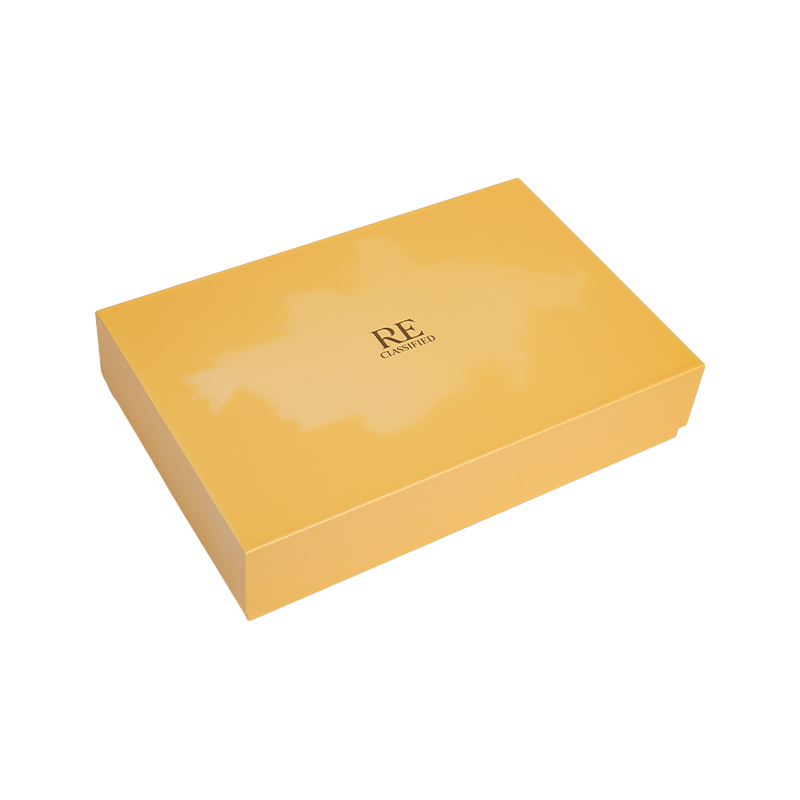
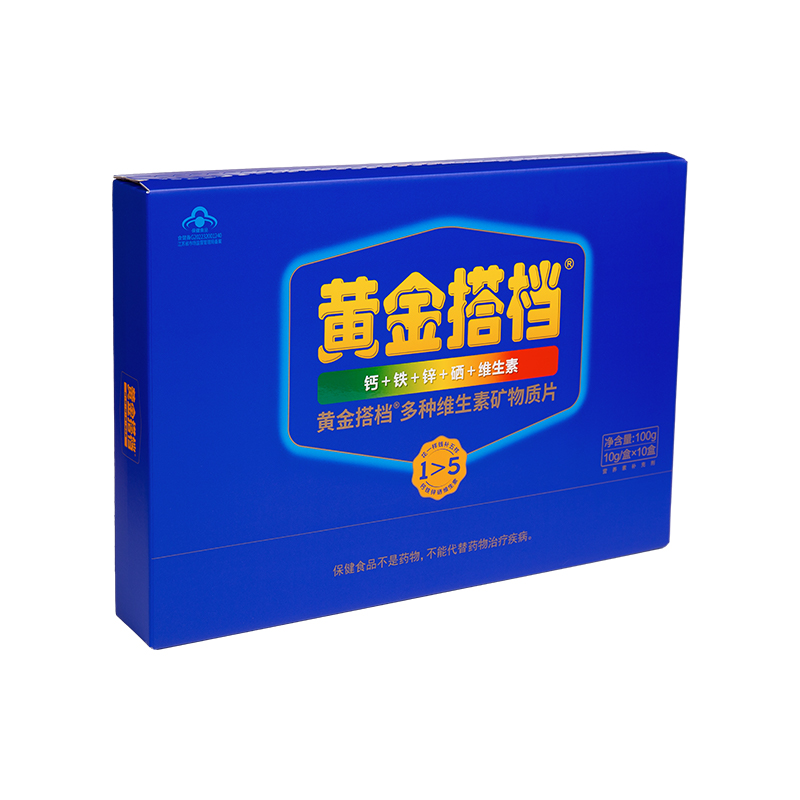
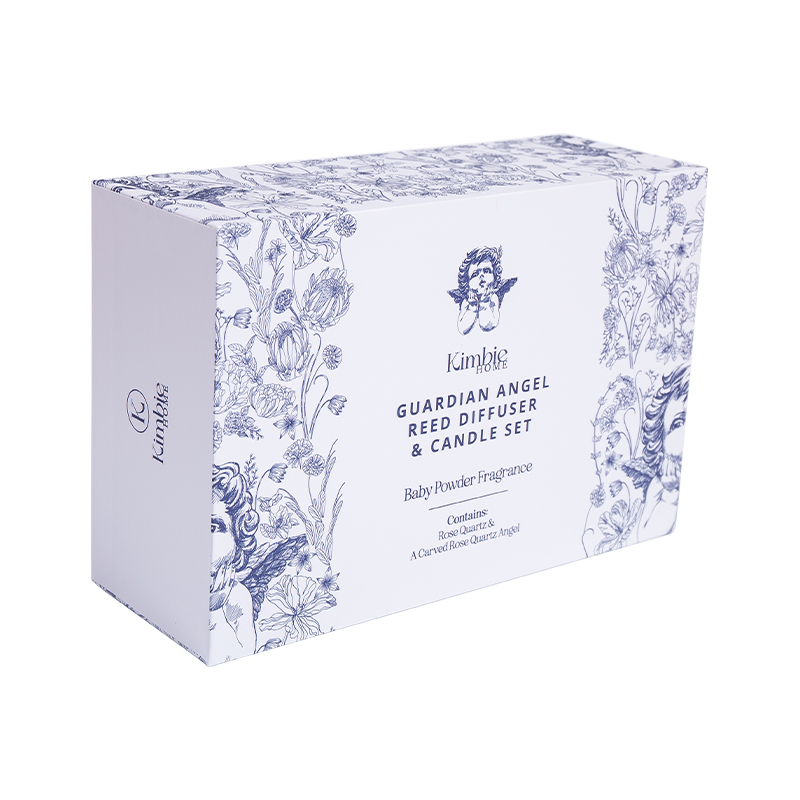
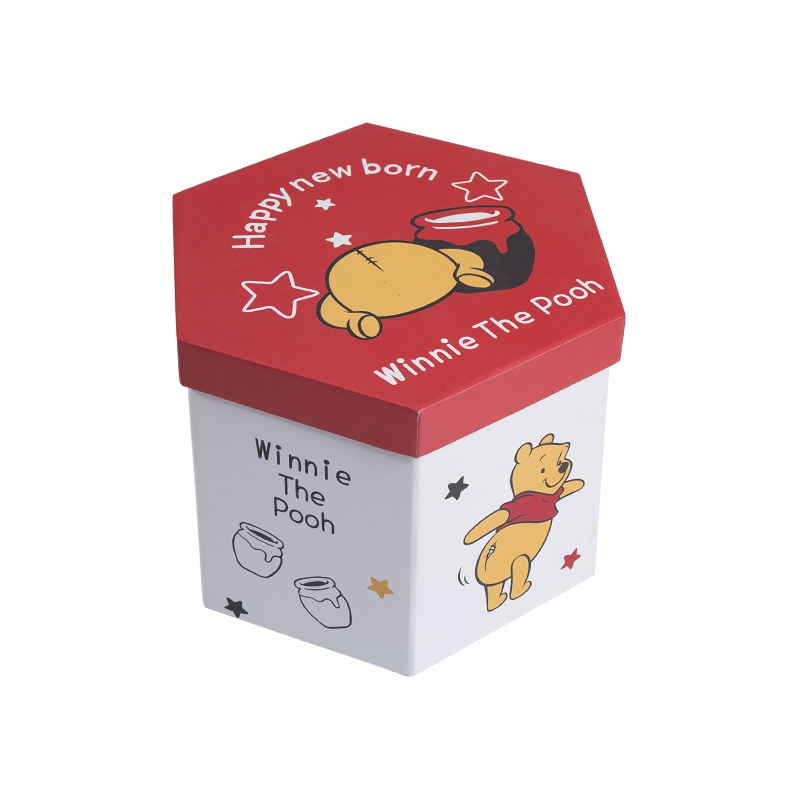
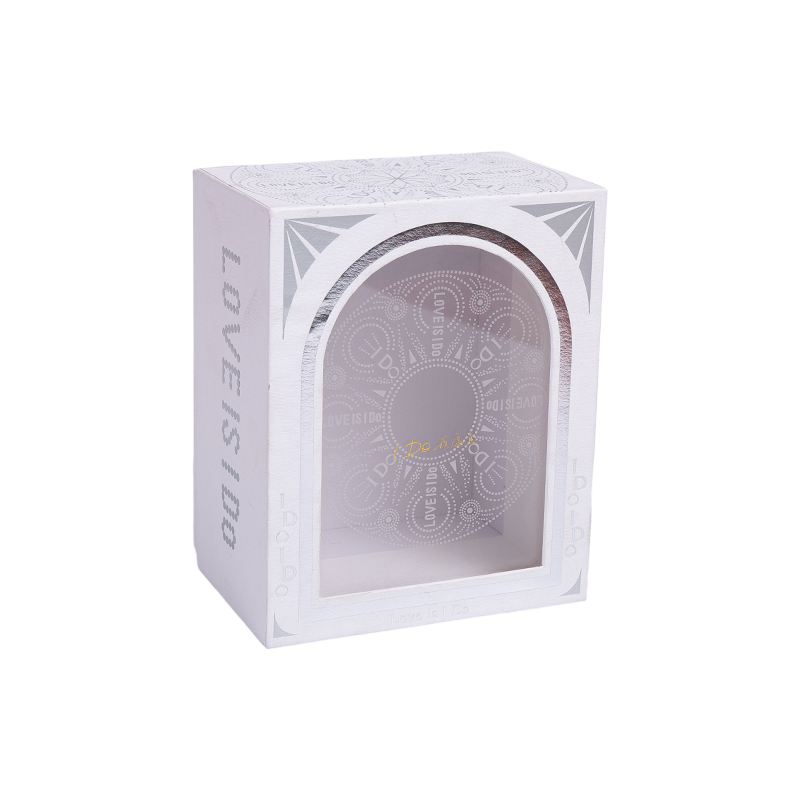
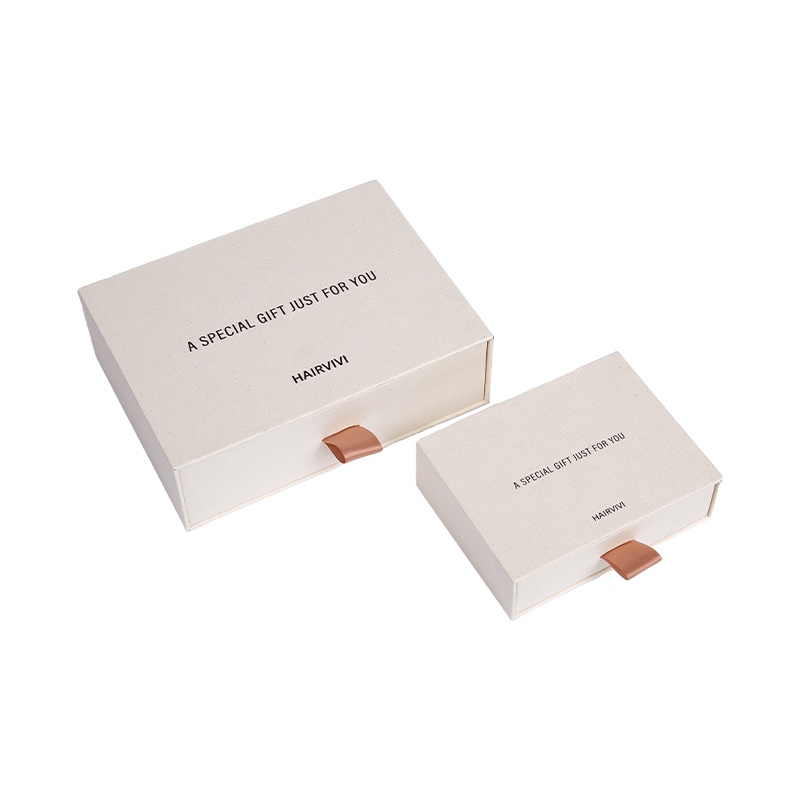
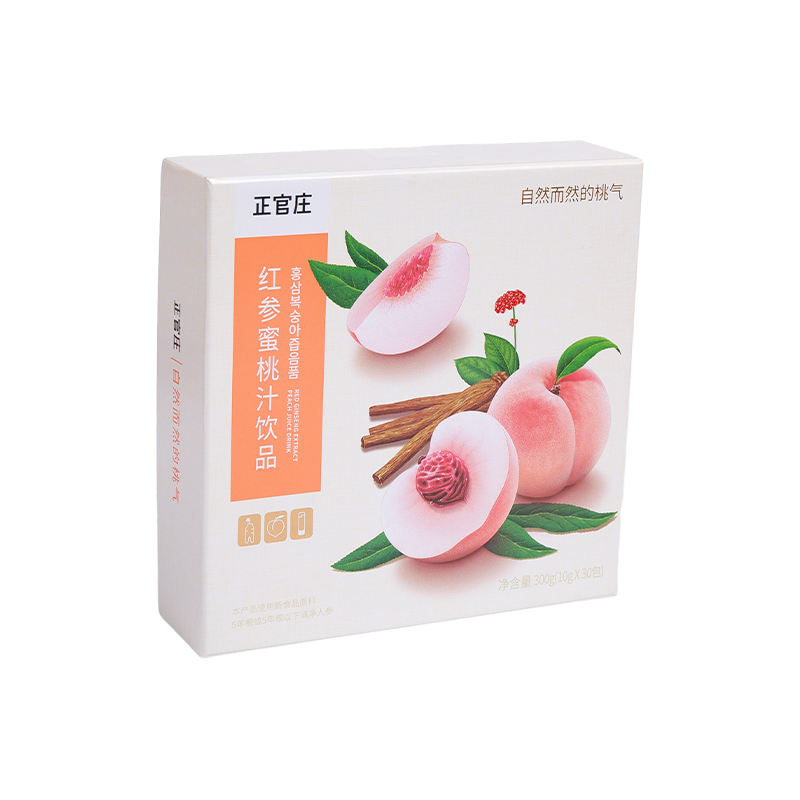
FSC packaging comes in a variety of forms, including boxes, labels, wrapping, and inserts. It is important for brands to choose the type of packaging that suits their products while maintaining environmental integrity. For example, products that require protective packaging can be wrapped in FSC-certified paper or cardboard, while labels and tags can also be printed on FSC-certified materials. Additionally, some suppliers offer sustainable alternatives to plastic packaging, such as biodegradable or recyclable FSC-certified options.
Case Study: FSC Packaging vs. Conventional Packaging
| Feature | FSC Packaging | Conventional Packaging |
|---|---|---|
| Sourcing of Materials | Sustainable, ethical, and traceable | Often from non-renewable or unsustainable sources |
| Impact on Ecosystems | Promotes biodiversity, protects wildlife habitats | Can contribute to habitat destruction and biodiversity loss |
| Carbon Footprint | Low, due to responsible forestry practices | Often high, due to energy-intensive production methods |
| Ethical Considerations | Supports local communities, protects indigenous rights | May not consider local or indigenous rights |
| Consumer Perception | Positive, builds brand loyalty and trust | Often seen as less eco-friendly and less transparent |
FAQ
1. What does FSC-certified packaging mean?
FSC-certified packaging means that the materials used in the packaging are sourced from forests that are managed responsibly, promoting environmental sustainability, social responsibility, and ethical practices.
2. How can I ensure that my packaging supplier is FSC certified?
You can request certification documents from your supplier to verify that they meet FSC standards. Reputable suppliers will readily provide proof of their FSC certification.
3. Is FSC packaging more expensive than traditional packaging?
While FSC-certified packaging may sometimes have a higher upfront cost, the long-term environmental benefits and positive consumer perception often make it a worthwhile investment for sustainable brands.
4. Can FSC packaging be used for all types of products?
Yes, FSC packaging can be used for a wide range of products, including food, cosmetics, electronics, and more. It can come in various forms such as boxes, bags, wraps, and labels.
5. Does FSC certification guarantee that the packaging is eco-friendly?
FSC certification ensures that the packaging is sourced from responsibly managed forests. However, additional factors such as production processes and transportation also contribute to the overall environmental impact.
 Previous