 中文简体
中文简体 
 English
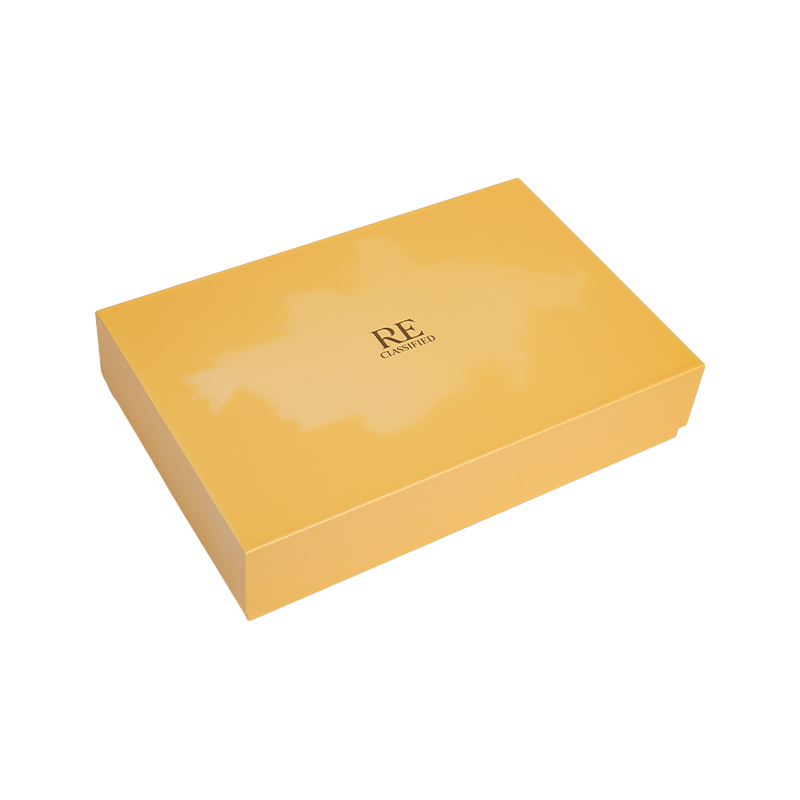
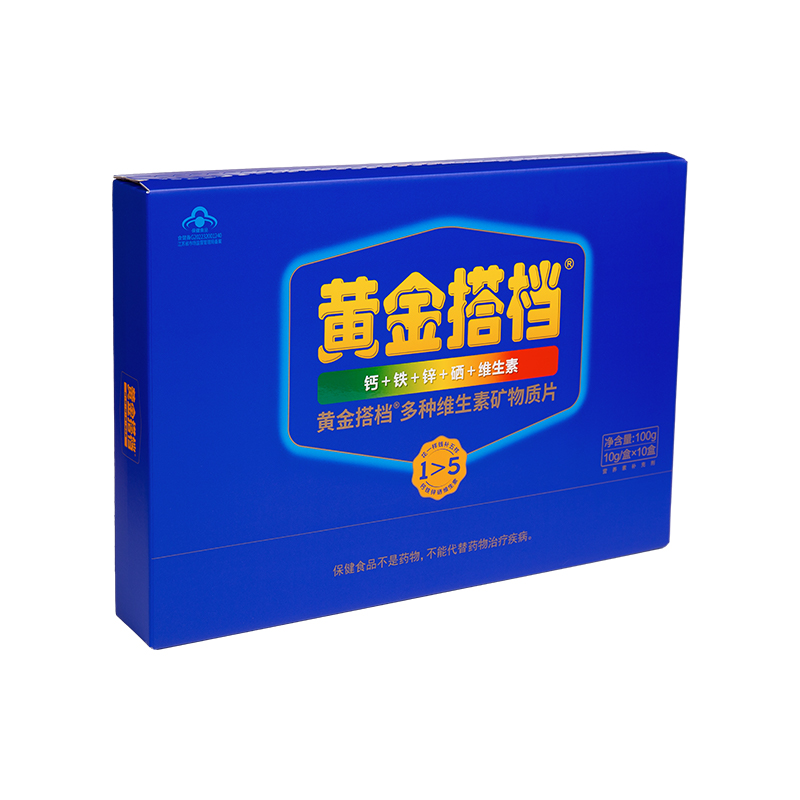
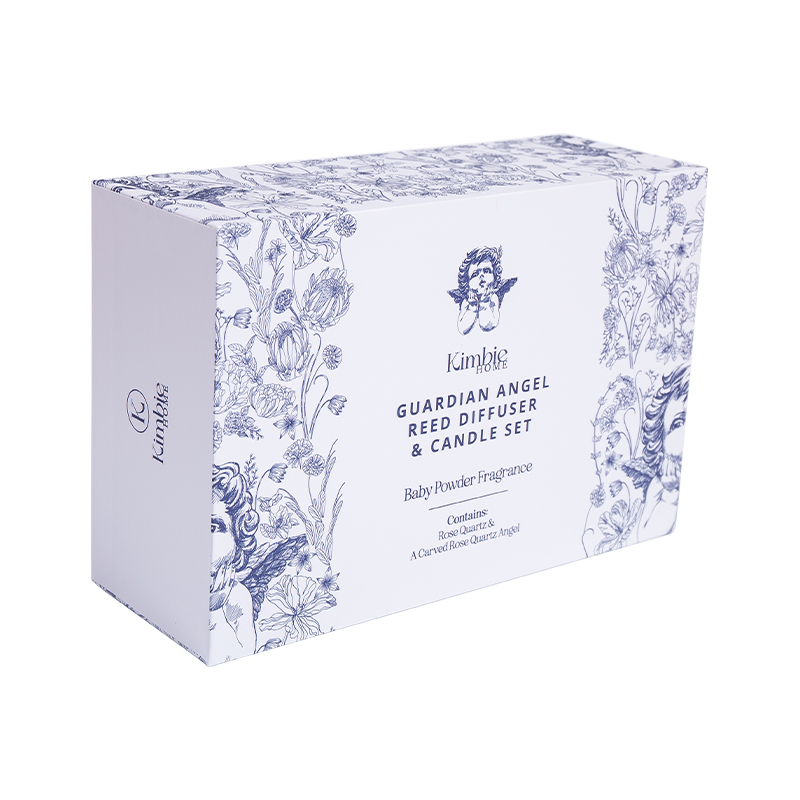
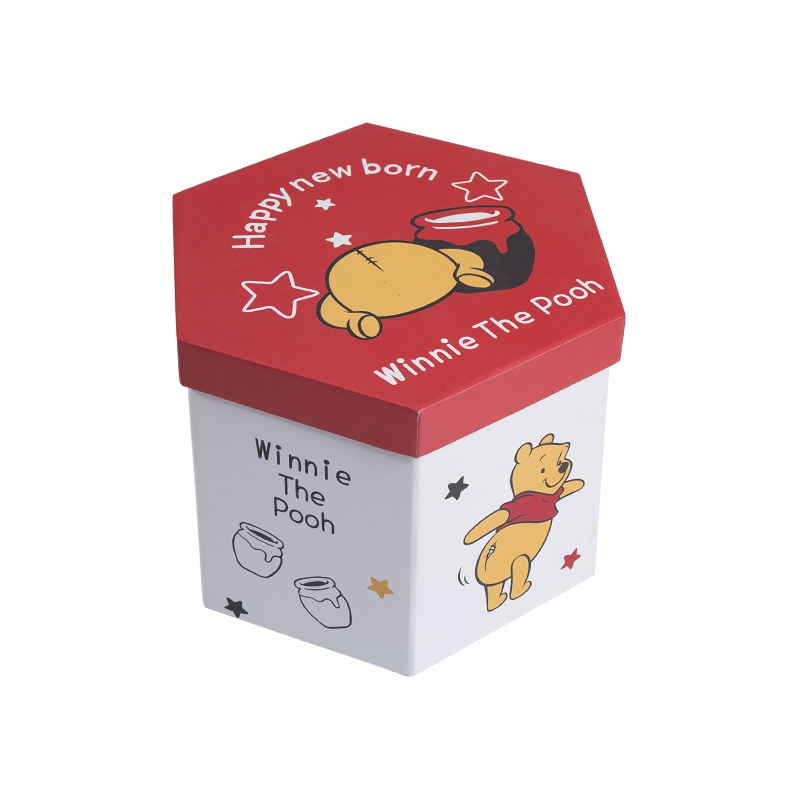
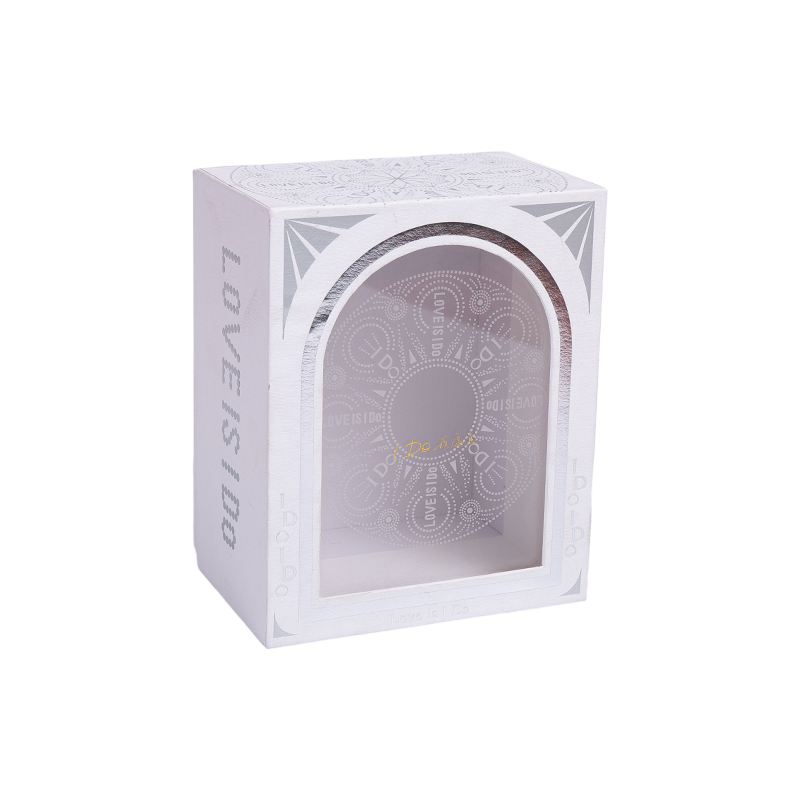
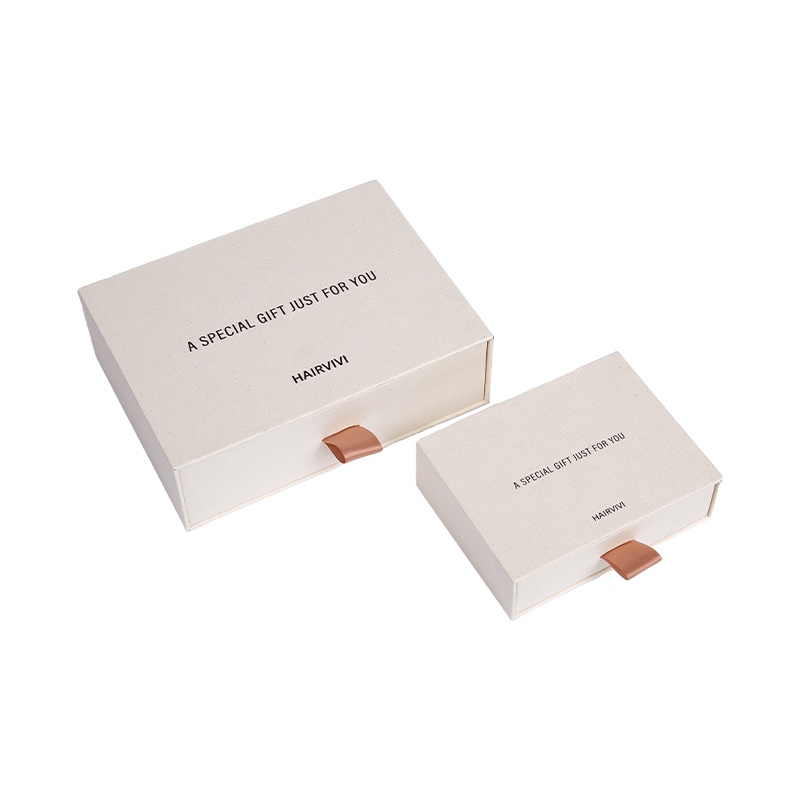
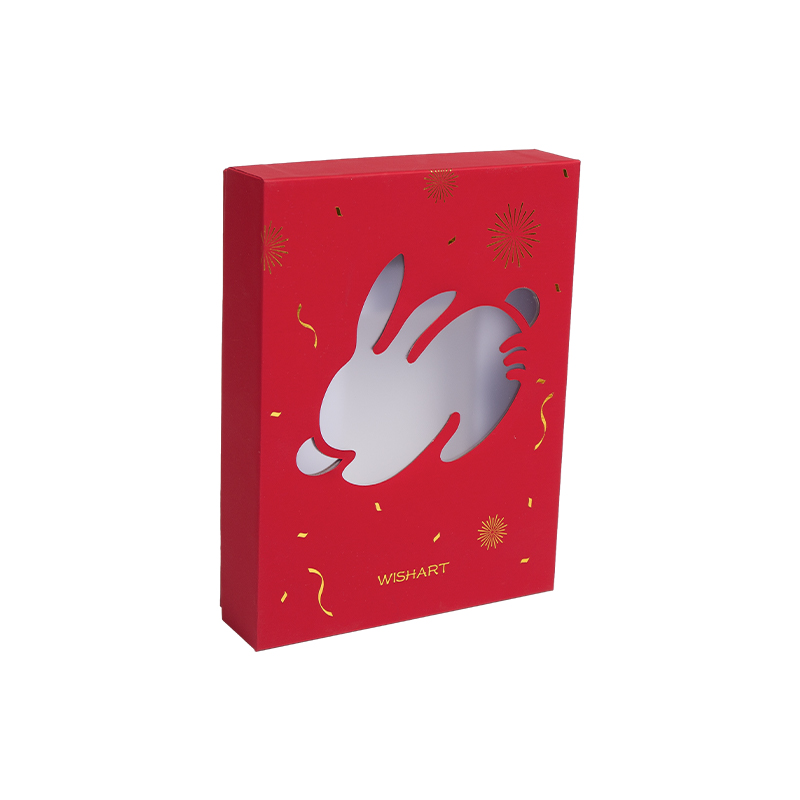
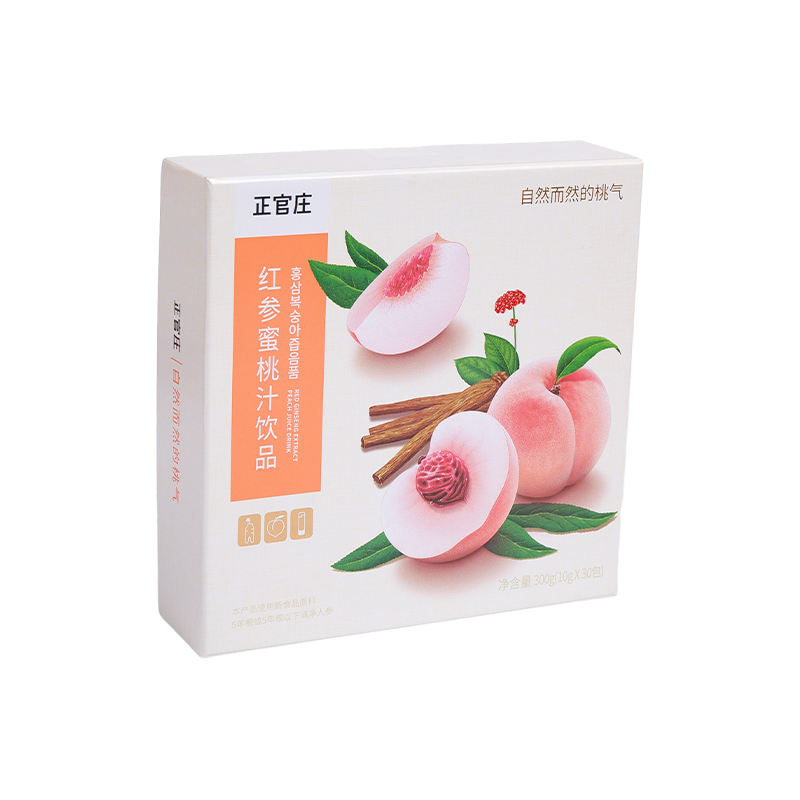
Cardboard packaging boxes are widely considered the choice for sustainable shipping because they combine recyclability, renewable sourcing, durability, and efficient protection. They reduce material waste, lower transportation emissions due to their lightweight structure, and support circular packaging systems. For businesses focused on environmental responsibility, cardboard packaging boxes provide a practical and scalable solution.
Made from Renewable and Recyclable Materials
One of the strongest sustainability advantages of cardboard packaging boxes is their material composition. Most cardboard is produced from wood pulp sourced from renewable forests and contains a high percentage of recycled fibers.
Corrugated cardboard can often be recycled multiple times before the fibers become too short for reuse. This repeated lifecycle reduces demand for virgin raw materials and supports resource conservation.
- Produced from renewable resources
- Commonly contains recycled content
- Accepted by recycling systems
- Biodegradable under proper conditions
Lightweight Design Reduces Shipping Emissions
Shipping sustainability depends heavily on transportation efficiency. Cardboard packaging boxes are significantly lighter than many alternative protective materials, which directly lowers fuel consumption during transport.
Even small reductions in package weight can produce measurable carbon savings across high-volume shipments. Lightweight packaging enables optimized logistics without sacrificing structural performance.
| Packaging Feature | Sustainability Benefit |
|---|---|
| Low material weight | Lower transport emissions |
| Flat storage capability | Reduced storage footprint |
| Custom sizing options | Less void fill waste |
Strong Protection with Minimal Material Use
Sustainable packaging must protect products effectively to prevent waste caused by shipping damage. Cardboard packaging boxes offer cushioning and compression resistance through engineered corrugated layers.
Efficient Structural Engineering
Corrugated designs use fluted inner layers to create strength while using relatively little raw material. This balance of durability and efficiency makes cardboard ideal for safe transportation.
Reduced Product Waste
Preventing damaged shipments is itself a sustainability achievement. Fewer damaged goods mean fewer replacements, lower reverse logistics demands, and reduced overall resource consumption.
Supports Packaging Customization and Waste Reduction
Cardboard packaging boxes can be produced in highly customized sizes and shapes. Right-sized packaging eliminates excess empty space, reducing filler material requirements and improving shipping efficiency.
- Reduces unnecessary packaging layers
- Minimizes filler material usage
- Improves pallet and container utilization
- Simplifies recycling for end users
Aligns with Consumer Sustainability Expectations
Modern consumers increasingly value packaging that is easy to recycle and clearly eco-conscious. Cardboard packaging boxes are widely recognized as environmentally responsible, which supports positive customer perception.
Simple, recyclable packaging signals environmental commitment and encourages responsible disposal behavior.
The Practical Future of Sustainable Shipping
Cardboard packaging boxes remain the preferred sustainable shipping solution because they deliver the right balance of environmental performance, structural reliability, and operational flexibility.
As shipping demands continue to grow, cardboard packaging boxes provide a scalable path toward lower environmental impact without compromising product protection or logistics efficiency.
 Previous