 中文简体
中文简体 
 English
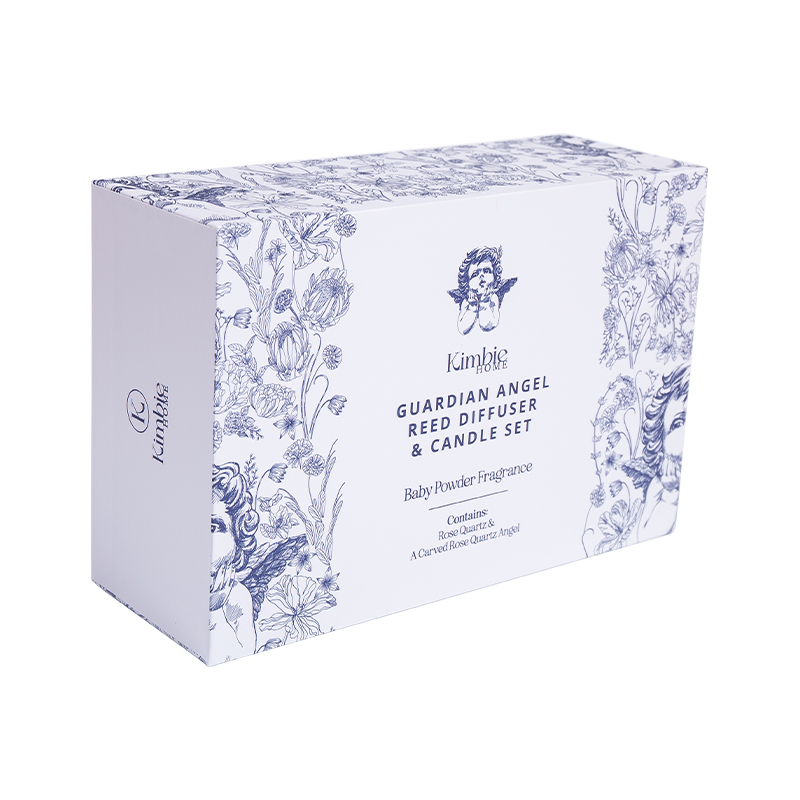
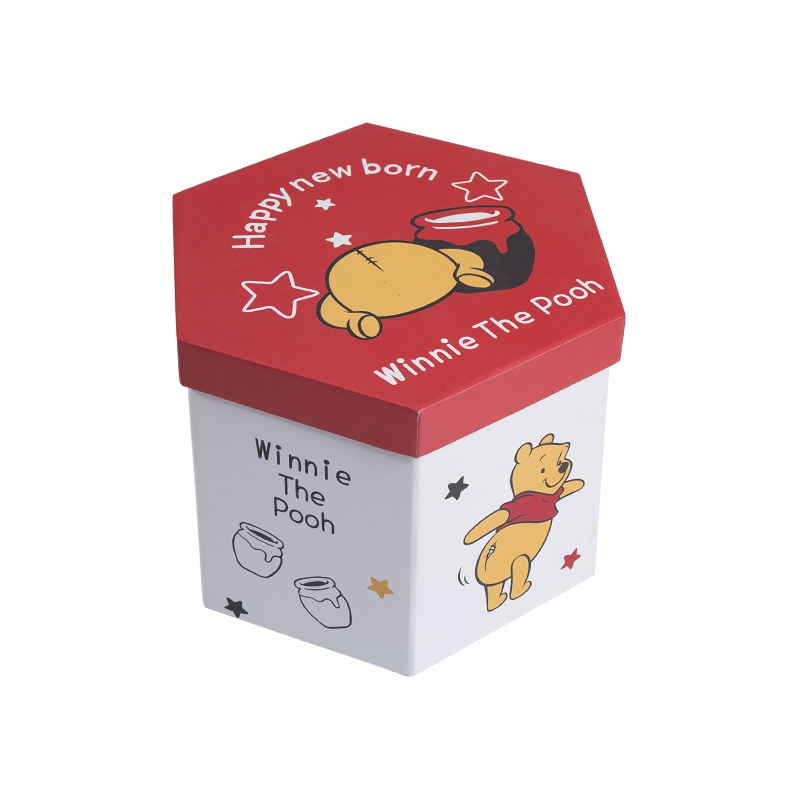
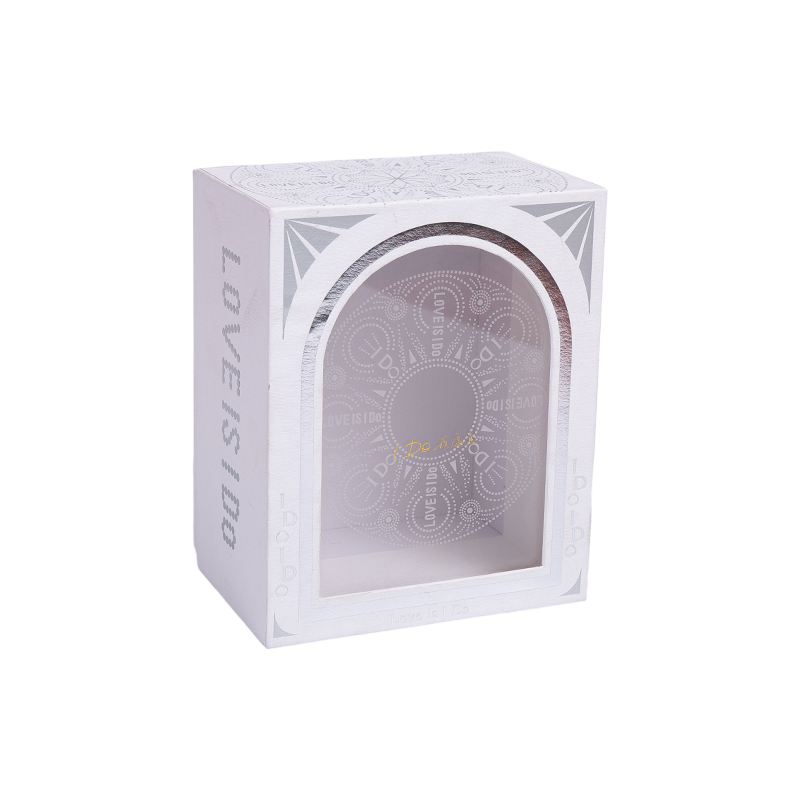
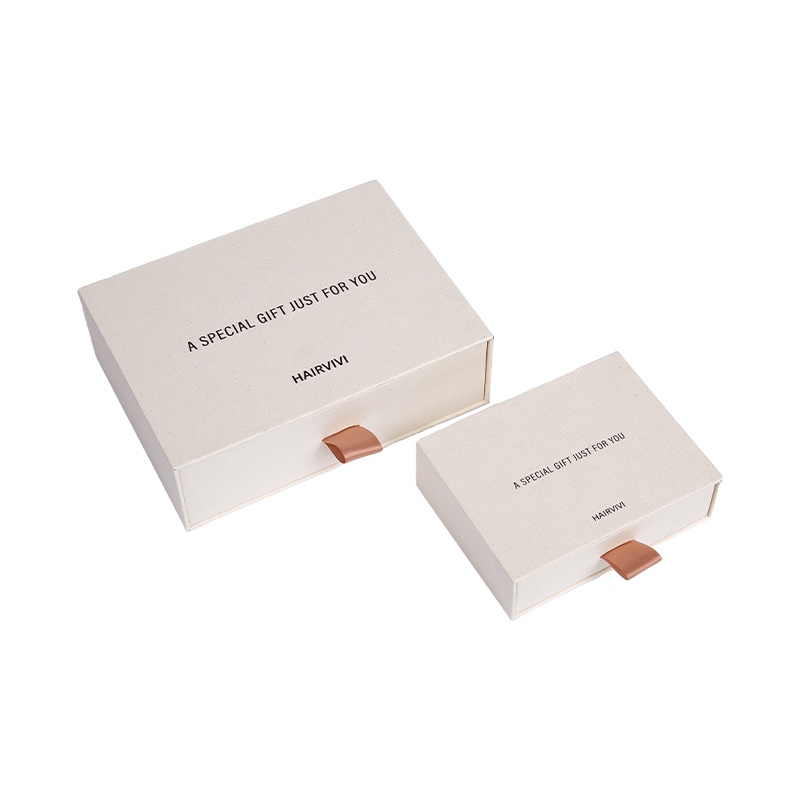
In today's competitive market, packaging is no longer just a container—it's a brand statement. When a customer unboxes your product, that moment defines their entire perception of your brand's quality and value. This is why printed high-end personalized gift boxes have become essential for luxury brands, premium e-commerce businesses, and corporate gifting programs.
Yet procurement managers and brand owners face a persistent challenge: how do you find a packaging partner who eliminates the three critical risks—poor production quality, inconsistency between samples and bulk runs, and slow pricing responses? This guide reveals the capabilities, process, and standards that separate reliable luxury packaging manufacturers from the rest.
Why High-End Brands Choose Custom Printed Gift Boxes Over Generic Packaging
The unboxing experience has become a cornerstone of brand strategy. According to industry data, 72% of consumers share their unboxing experience on social media when the packaging feels premium and thoughtful. For luxury brands, this translates directly into organic marketing reach, customer retention, and increased repeat purchases.
Custom printed gift boxes deliver three measurable business outcomes:
- Enhanced Brand Perception: High-end finishes like foil stamping, embossing, and soft-touch lamination signal craftsmanship and exclusivity, justifying premium price points.
- Improved Conversion Metrics: Customers associate premium packaging with product quality, resulting in higher perceived value and lower return rates.
- Sustainable Competitive Moat: Generic packaging is commoditized; personalized luxury boxes create differentiation that competitors cannot quickly replicate.
Whether you're launching a limited-edition jewelry line, packaging artisanal cosmetics, or preparing corporate gifts for high-value clients, the packaging itself becomes part of the product offering. This is the core distinction between "selling a box" and "selling certainty."
Our Capabilities: Printing, Finishing, and Structural Options
To make an informed decision, you need to understand what's technically possible. The following breakdown covers the primary printing methods, luxury finishing techniques, and structural choices available for high-end personalized gift boxes.
Premium Printing Methods
Each printing technique offers distinct advantages for different volumes, design complexity, and finish quality:
| Printing Method | Best For | Minimum Order Qty | Production Time |
|---|---|---|---|
| Offset Lithography | Large volumes, photographic quality, color accuracy | 5,000+ units | 10-14 days |
| Digital Printing | Small runs, variable data, rapid turnaround | 500-2,000 units | 5-7 days |
| Screen Printing | Bold, vibrant colors; limited color palettes | 1,000+ units | 8-10 days |
Recommendation: For brands requiring flexibility and rapid feedback iterations, digital printing paired with offset for large production runs offers the best balance of speed, cost, and quality.
Luxury Finishing Touches
What separates "high-end" from standard packaging is the finishing. These techniques add tactile and visual depth that create memorable unboxing moments:
- Foil Stamping (Gold, Silver, Holographic): Metallic elements add instant luxury perception. Common on fashion, jewelry, and premium beauty packaging. Requires tooling investment but delivers exceptional ROI through perceived value.
- Embossing and Debossing: Three-dimensional surface texturing creates tactile interest. Embossing raises the design; debossing creates depression. Both enhance brand logo prominence and feel premium to the touch.
- UV Spot Coating: Selective high-gloss varnish applied to specific design areas. Creates contrast between matte and glossy finishes, drawing attention to key brand elements without adding weight.
- Soft-Touch Lamination: Velvety matte finish that feels luxurious underhand. Eliminates fingerprints and provides a sophisticated, understated aesthetic ideal for minimalist luxury brands.
- Matte + Gloss Combination: Hybrid finish coating applied simultaneously, offering both matte and gloss areas for visual and tactile depth without tooling costs.
Each finishing option extends production time by 2-4 days but dramatically increases perceived product value. Investment in tooling (typically 200-500 USD for foil stamping dies) is amortized across production volumes.
Rigid Boxes vs. Folding Cartons: Understanding Your Options
The structural choice fundamentally impacts both cost and brand perception:
Rigid Boxes (Setup Boxes): Constructed with chipboard cores and wrapped in premium substrates (art paper, specialty papers). These boxes maintain their shape without tape or glue. Rigid boxes communicate maximum luxury and are ideal for:
- Jewelry and luxury watches (where protection is essential)
- High-end cosmetics and fragrances
- Premium electronics and gadgets
- Corporate executive gifts
- Limited-edition product launches
Folding Cartons: Flat-packed boxes that fold and lock for assembly. Lighter weight, lower material cost, and better for shipping efficiency. Ideal for:
- Subscription boxes with recurring shipments
- E-commerce retail where volume and speed matter
- Mid-range premium products where cost optimization is necessary
- Items where reusability isn't a primary concern
Cost Impact: Rigid boxes typically cost 30-60% more per unit than comparable folding cartons, but the perceived value increase often justifies the premium for luxury brands.
How to Personalize Your Gift Boxes for Different Brand Scenarios
Personalization goes beyond printing a logo. It means customizing structural design, interior padding, and finishing to match the specific customer experience your brand wants to create.
Retail and E-Commerce: Structural Interiors for Product Protection
When customers receive premium products, packaging must protect the item while creating an "unboxing reveal" moment. Common interior solutions include:
- Molded EVA Foam Inserts: Custom-cut foam compartments for jewelry, electronics, or delicate items. Lightweight, reusable, and creates a premium presentation. Typical turnaround for custom molds: 5-7 days.
- Paper Pulp Trays: Eco-friendly alternative to plastic. Biodegradable and suitable for brands emphasizing sustainability. Works well for cosmetics and artisanal products.
- Velvet and Microfiber Liners: Soft fabric coverings inside the box add tactile luxury. Particularly effective for jewelry, watches, and luxury accessories. Premium brands often use contrasting colors to their exterior packaging.
- Magnetic Closure Systems: Replaces traditional tape with hidden magnetic strips for a seamless, reusable closure. Elevates perceived quality and encourages repeat usage as a storage container.
Corporate and VIP Gifting: Branding Depth and Customization
For corporate programs, personalization extends beyond the exterior box to include custom inserts, tissue paper, thank-you cards, and custom color options:
- Full-color logo printing on lid and base (not just lid)
- Personalized recipient names printed on boxes for VIP programs
- Custom tissue paper and filler materials with brand colors or patterns
- Branded thank-you cards, QR codes linking to custom landing pages
- Multiple box size options within a single order to accommodate different product types
These additions increase perceived value and demonstrate thoughtfulness, essential for high-value corporate relationships.
Subscription and Unboxing: Designing for the Repeat Experience
Subscription boxes must balance brand consistency (so repeat customers recognize the package instantly) with enough design variation to keep the experience fresh. Key considerations:
- Modular Design: Fixed exterior with swappable interior designs or seasonal variations
- Reusability Factor: Customers keep subscription boxes and repurpose them. Designing for a second life (storage, gift-giving) encourages positive brand associations.
- Unboxing Sequence: Layer items within the box to create micro-moments of surprise: tissue paper, branded card, then product reveal.
- Instructions and Story: Include printed materials that deepen engagement with the brand narrative.
The Custom Printing Process: From Design File to Production Quote
Many brands delay ordering custom packaging due to uncertainty about the process. Here's a transparent walkthrough from initial inquiry to delivery.
Step 1: File Preparation and Technical Requirements
Your design must meet specific technical standards to ensure production quality:
- File Format: Adobe Illustrator (AI) or PDF with all fonts converted to outlines. Raster images must be minimum 300 DPI.
- Color Space: CMYK for offset and digital printing. RGB files will be converted, potentially causing color shifts.
- Bleed Margins: 3mm bleed on all sides to account for cutting tolerance. Content within 5mm of edge may be trimmed.
- Die-Cut Lines: Clearly marked in a separate layer (typically as a vector outline with 0.25pt stroke weight).
- File Naming: Use descriptive names (e.g., "Brand_BoxDesign_v2_Final.ai") to avoid confusion during revisions.
Submitting files that don't meet these standards typically delays quotes by 24-48 hours while our design team corrects them. Proper file preparation ensures rapid turnaround.
Step 2: Instant Quote Workflow
Once your files are ready, you'll need to provide the following specifications:
- Box Dimensions: Length x Width x Height (in mm or inches)
- Material Choice: Rigid board (270gsm, 300gsm) or folding carton stock
- Quantity: Total units needed for your production run
- Printing Specification: Full-color CMYK, number of special colors (if foil stamping), finishing options
- Finishing Requests: Foil stamping, embossing, UV coating, lamination
With this information, manufacturers can generate an instant estimate within 2-3 hours. Most modern packaging firms offer online quoting systems that provide FOB pricing (Free on Board) without requiring direct communication.
Step 3: Sampling and Approval Process
Before committing to full production, most brands request physical samples. The sampling timeline typically follows:
- Days 1-2: Sample preparation and printing begins
- Days 3-5: Finishing touches applied (foil stamping, embossing, if requested)
- Days 5-7: Quality inspection and shipping
Sample costs are typically 150-300 USD per design variant, refundable if the order exceeds 2,000 units. This investment ensures you see exact colors, finishing quality, and structural fit before mass production.
Step 4: Production and Quality Gates
Once samples are approved and order is placed, production typically requires:
- Setup and Tooling: 2-3 days (creating printing plates, cutting dies)
- Printing: 3-5 days depending on volume and number of colors
- Finishing: 2-4 days if foil stamping, embossing, or special coatings are involved
- QC and Packing: 2-3 days
- Total Timeline: 10-15 days from approval to ready-to-ship
Quality checkpoints occur at each stage: color matching, print registration, cutting precision, and final inspection before packaging into cartons for shipment.
Quality Assurance: What Makes Personalized Gift Boxes "High-End"
The difference between commodity packaging and luxury packaging is primarily quality control and material sourcing. When procurement managers evaluate packaging partners, they assess these three pillars:
Material Sourcing and Certification
FSC Certified Paper: Many premium brands require sustainably sourced materials. FSC (Forest Stewardship Council) certification ensures paper comes from responsibly managed forests. Packaging manufacturers should provide FSC chain of custody documentation upon request.
Eco-Friendly Inks: Soy-based or vegetable-based inks reduce environmental impact and often provide superior color vibrancy compared to petroleum inks. Food-contact-safe inks are essential if packaging will come into contact with consumable products.
Paper Substrate Options:
- Art Paper (coated 200-300gsm): Smooth, bright white surface ideal for full-color photographic printing
- Specialty Papers (kraft, kraft with pattern, specialty textures): Add visual and tactile interest, often preferred by luxury and eco-conscious brands
- Recycled Papers: High-quality recycled board maintains structural integrity while supporting sustainability narratives
Precision Quality Control Standards
High-end packaging requires tighter tolerances than mass-market alternatives:
- Color Accuracy: Delta E less than 2 (industry standard for high-end packaging). Color is verified using spectrophotometry against client-approved Pantone or CMYK references.
- Print Registration: Tolerance of +/- 0.5mm across multi-color designs. Ensures logos, patterns, and text align perfectly on all sides of the box.
- Cutting and Die-Cutting Precision: Variance of +/- 1mm on box dimensions ensures uniform stacking, storage, and shipping.
- Glue and Sealing Quality: For rigid boxes, adhesive coverage is verified to ensure boxes maintain structural integrity throughout shipping and handling.
- Surface Finish Consistency: Foil stamping coverage, embossing depth, and lamination evenness are inspected on a sample basis (typically 1-2% of production lot).
Scale and Export Experience
Established packaging manufacturers with international export experience bring several advantages:
- Compliance with shipping standards (ISTA testing for structural integrity during transit)
- Experience managing customs documentation and international logistics
- Relationships with freight forwarders ensuring competitive shipping rates
- Understanding of regional packaging regulations (e.g., EU labeling requirements, Chinese import restrictions)
When evaluating a packaging partner, always request quality certifications, samples of previous work, and references from similar projects (comparable volumes and complexity).
Ready to Start Your Custom Box Project? Get a Quote in Minutes
The fastest way to move from inquiry to order is to provide your specifications upfront. We deliver instant estimates and detailed technical feedback within 2 hours.
What We Need From You:
- Design file (AI, PDF, or images of your concept)
- Box dimensions (length x width x height)
- Preferred material type (rigid vs. folding)
- Target quantity
- Special finishes (foil, embossing, lamination)
Once received, we'll confirm file specifications and send a detailed quote with delivery timeline and sample options within 3 hours.
Frequently Asked Questions
Q1: What's the minimum order quantity for custom printed gift boxes?
MOQ depends on the printing method. Offset lithography typically requires 5,000 units to justify tooling costs. Digital printing accommodates smaller runs (500-2,000 units) with higher per-unit costs. Rigid boxes have slightly higher minimums (1,000-2,000 units) due to structural construction complexity. We can discuss hybrid approaches if your volume falls between thresholds.
Q2: How long does sampling take, and what's the cost?
Standard sampling takes 5-7 business days from file approval. Sample costs range from 150-300 USD per design variant, depending on complexity and finishing options. This cost is typically credited toward your first production order if the volume exceeds 2,000 units. Rush sampling (3-4 days) is available for an additional 50-100 USD fee.
Q3: Can you print variable data (like customer names) on each box?
Yes, digital printing supports variable data without additional setup costs. This is ideal for personalized corporate gifts or subscription boxes where each unit receives unique customization. Offset printing cannot accommodate variable data efficiently.
Q4: What if my design file isn't production-ready?
Our design team can prepare your file for production. Basic corrections (bleed adjustments, color space conversion, die-line setup) are typically free. Complex redesigns are quoted separately. We recommend submitting files at least 48 hours before your target quote date to allow for revisions.
Q5: Are there sustainability options for eco-conscious brands?
Absolutely. We offer FSC-certified papers from responsibly managed forests, soy-based inks, recycled board options, and even compostable coatings. These choices typically add 5-15% to per-unit costs but align with sustainable brand positioning. Detailed environmental certifications are available.
Q6: How are colors matched between my design and final production?
We use Pantone standard color references and spectrophotometry for precise matching. Color samples are checked before full production begins. If color variance exceeds acceptable tolerances (Delta E < 2), the production run is halted and reprinted at no additional cost. We recommend approving a physical sample before committing to full volume.
Q7: What's included in the FOB price, and what are the shipping costs?
FOB (Free on Board) price includes production, quality inspection, and delivery to the nearest port or shipping hub. Freight costs depend on destination, weight, and chosen shipping method (air, sea, land). We'll provide exact shipping quotes once production is finalized. Most orders are shipped via sea freight for cost optimization (typically 20-35 days to North America or Europe).
Q8: Can I reorder the same boxes without new artwork or tooling fees?
Yes. Once a design is approved and tooling is created, subsequent orders of the same specification reuse existing dies and printing plates. Reorders typically cost 20-30% less than initial orders and require only 7-10 days production time. This makes custom gift box printing increasingly cost-effective for ongoing programs.
Q9: Do you offer structural design consultation?
Yes, our engineers provide free structural design recommendations based on your product type, weight, and shipping method. We'll suggest optimal box dimensions, material thickness, and closure systems to ensure your product arrives in perfect condition while managing costs.
Q10: What if I'm not satisfied with my order?
Quality guarantees are standard. If the delivered boxes don't meet agreed specifications (color, registration, cut accuracy), we offer reprinting at no cost or a credit toward future orders. We require issue notification within 5 days of delivery. Samples are always available for inspection before full production approval.
Making the Decision: Why Experience Matters
Selecting a packaging partner is a strategic decision that impacts your brand perception, customer satisfaction, and production timeline. The three criteria you should evaluate are capacity (can they handle your volume?), capability (do they offer the finishes you want?), and commitment (will they stand behind quality?)
When you've clarified your specifications and are ready to receive quotes, reach out with your design files and production parameters. A professional packaging manufacturer will respond with detailed technical feedback, pricing options, and a realistic timeline—often within the same business day.
The final step is simple: upload your design, provide your specs, and let the partnership begin. Quality packaging isn't a commodity—it's a competitive advantage waiting to be unlocked.