 中文简体
中文简体 
 English
Introduction
Industrial cardboard packaging boxes are essential components in logistics, transportation, and packaging. With their versatility, durability, and eco-friendly qualities, these boxes have become a staple in industries worldwide.
The Anatomy of Industrial Cardboard Boxes
Industrial cardboard boxes come in various shapes and sizes, each designed for specific applications. They are primarily categorized based on their structure, flute types, and box styles.
Types of Industrial Cardboard Boxes
Single-Wall, Double-Wall, and Triple-Wall Boxes
Understanding the different types of cardboard boxes is crucial for selecting the right one for your needs.
- Single-Wall Boxes are lightweight and suitable for general applications where strength is not a major concern.
- Double-Wall Boxes provide enhanced durability and stacking strength, making them ideal for heavier or fragile items.
- Triple-Wall Boxes offer the level of protection, ideal for shipping heavy-duty goods or in demanding environments.
Flutes and Their Importance
Flutes are the corrugated layers that provide the strength and cushioning properties of cardboard boxes. The common types of flutes are:
| Flute Type | Thickness | Application |
|---|---|---|
| A Flute | Thick | Heavy-duty and fragile items |
| B Flute | Medium | General packaging |
| C Flute | Medium | Versatile for various products |
| E Flute | Thin | Small, delicate items |
| F Flute | Thin | Lightweight items and retail packaging |
Each flute type plays a significant role in determining the box’s strength and suitability for different types of products.
Common Box Styles
There are several box styles that cater to different needs, such as:
- RSC (Regular Slotted Container) – The common type of box used in packaging.
- FOL (Full Overlap) – Offers extra strength and is suitable for fragile items.
- HSC (Half-Slotted Container) – Suitable for lightweight, less delicate items.
How Industrial Cardboard Boxes Are Made
The manufacturing process of industrial cardboard boxes involves several key steps to ensure their strength, durability, and eco-friendliness.
The Raw Materials
At the heart of cardboard box production are two essential raw materials: kraft paper and linerboard. These materials are prized for their strength and recyclability, making them the choice for environmentally responsible packaging.
The Corrugating Process
The corrugating process is where the magic happens. The linerboard is combined with the corrugated medium to create the flutes, giving the box its strength and cushioning properties. The process involves precision to ensure the durability of the boxes under various conditions.
Manufacturing Process
Once the raw materials are prepared, the cardboard is cut, printed, and glued into the desired box shape. Advanced printing techniques allow for custom branding, making boxes not only functional but also an integral part of a company’s marketing strategy.
Quality Control
Every box undergoes rigorous quality control to ensure it meets industry standards. From verifying the precision of cuts to ensuring the clarity of prints, manufacturers leave no room for error.
Choosing the Right Industrial Cardboard Box
Selecting the right cardboard box is more than just picking the option available. Factors like the weight, size, and fragility of the items being shipped need to be carefully considered.
Key Considerations:
- Weight and Size: Heavier items require stronger boxes like double-wall or triple-wall options.
- Fragility: For delicate items, choosing a box with more cushioning and proper packing materials is essential.
- Destination: The final delivery location can influence the choice of box depending on the transport conditions.
Sustainability and Recyclability
As eco-consciousness rises, sustainability is becoming a key consideration in packaging. Recyclable cardboard options are in high demand, offering an environmentally friendly alternative to traditional packaging methods. Businesses can reduce their environmental impact by opting for recyclable kraft paper boxes and minimizing waste.
Customization
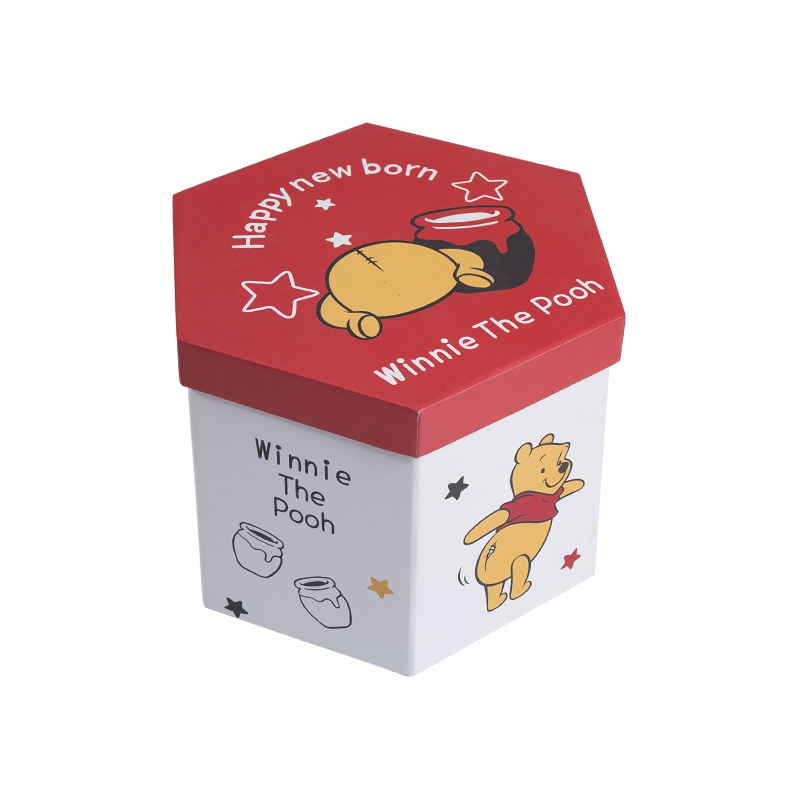
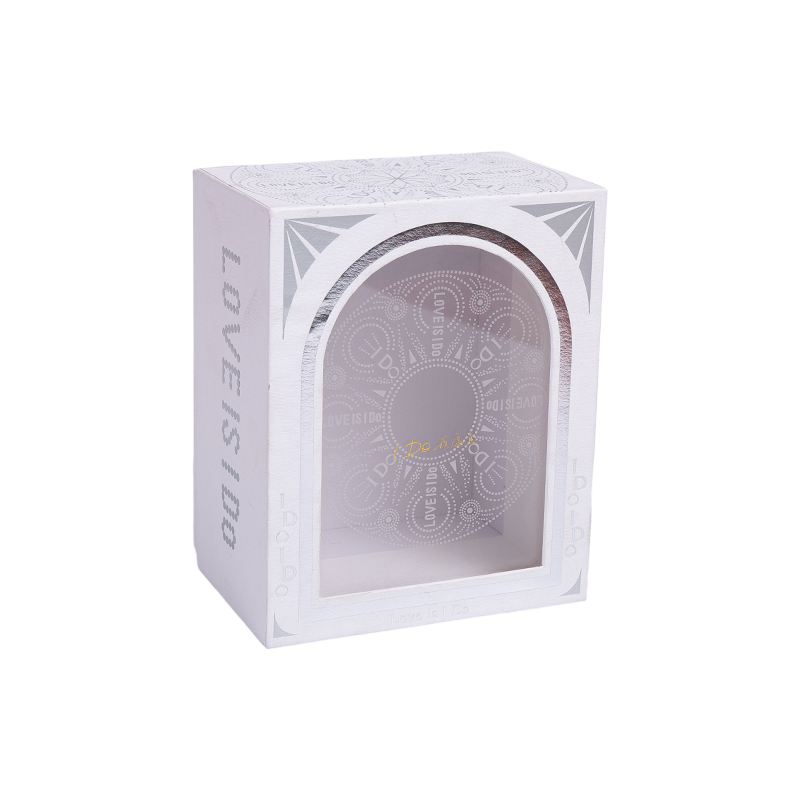
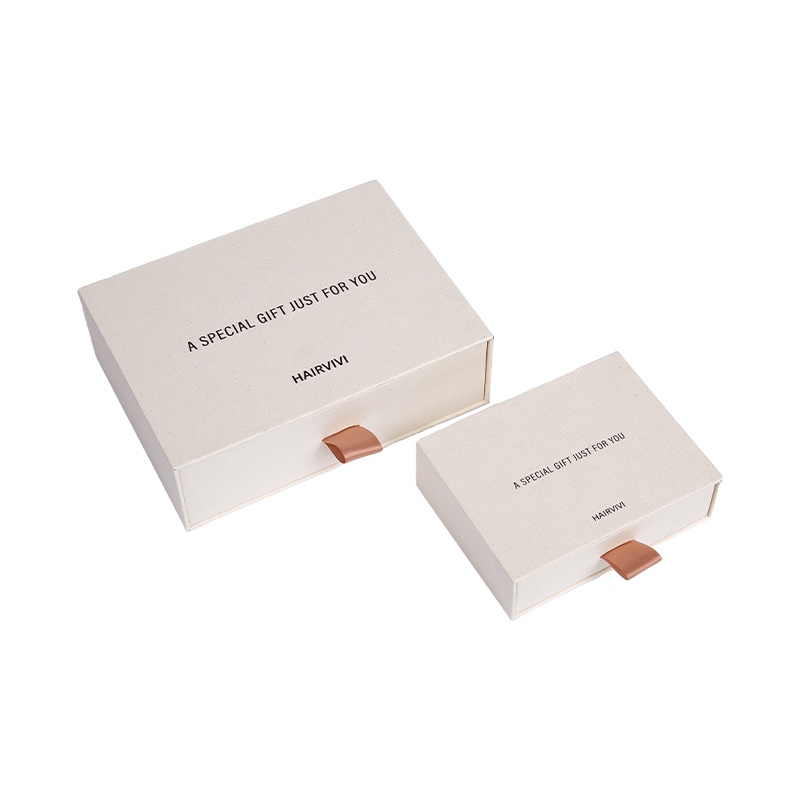
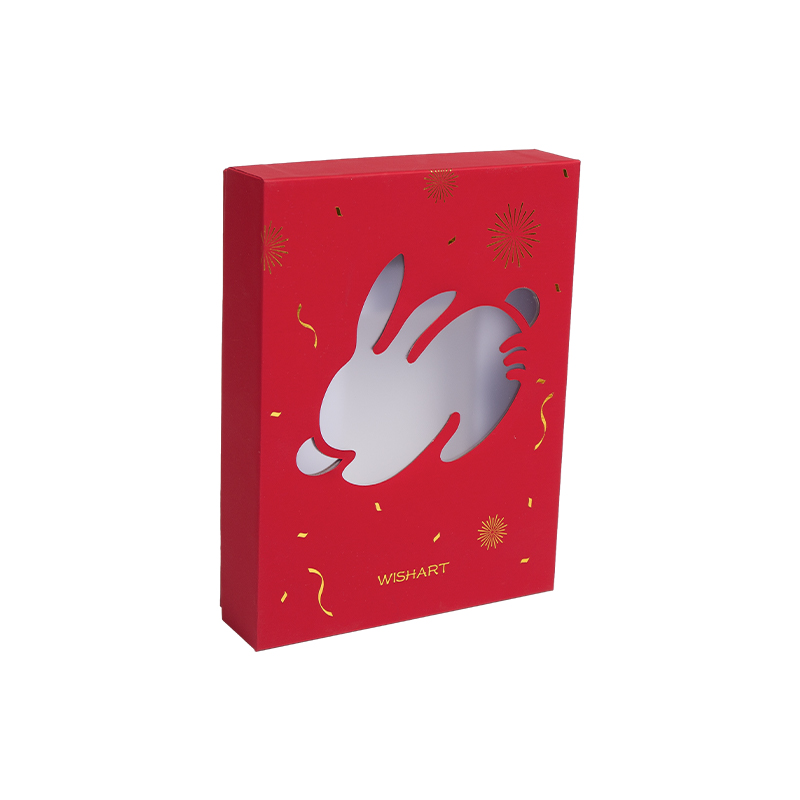
Custom branded boxes are an effective way to enhance your packaging strategy. From custom designs to unique printing techniques, you can create a packaging solution that reflects your brand identity and stands out on the shelves.
Industrial Cardboard Boxes in Logistics and Shipping
Industrial cardboard boxes are integral to the supply chain, offering a standardized solution for packaging and transportation.
The Role of Cardboard Boxes in the Supply Chain
Cardboard boxes play a vital role in facilitating the efficient movement of goods through the supply chain. They provide a cost-effective, lightweight, and protective solution for packaging products. Whether in local deliveries or international shipping, these boxes are crucial in ensuring products arrive intact.
E-Commerce and Packaging Needs
The rise of e-commerce has revolutionized packaging. Online retailers need packaging that is flexible, cost-effective, and capable of handling a variety of products. Customized cardboard boxes with the ability to accommodate various shapes and sizes have become the norm for e-commerce packaging.
Packaging Design for Safety
Effective packaging design is paramount in protecting goods during transit. Using corrugated cardboard with the correct flute type, along with appropriate cushioning materials, can ensure products arrive at their destination safely and without damage.
Sustainability and Cardboard Boxes
As sustainability becomes increasingly important, the cardboard box industry is embracing greener practices. The renewable nature of cardboard, along with its recyclability, makes it a preferred choice for eco-friendly packaging solutions.
The Green Side of Cardboard
Cardboard is made from renewable resources, and its recyclability contributes to reducing waste and energy consumption. Many industries are adopting sustainable packaging practices, from biodegradable materials to reduced packaging waste.
Reducing the Carbon Footprint
By recycling and repurposing cardboard boxes, businesses can reduce their carbon footprint and contribute to a cleaner, more sustainable environment. This is part of the broader trend toward adopting a circular economy, where materials are reused and repurposed rather than discarded.
The Art of Packing Industrial Cardboard Boxes
Proper packing techniques are crucial in ensuring the safety of goods during transit. A combination of wrapping, cushioning, and securing the items inside the box is essential to avoid damage.
Avoiding Common Pitfalls
Common mistakes in packing include over-packing and under-packing. Over-packing can increase shipping costs, while under-packing leaves items vulnerable to damage. Striking the right balance ensures both cost-effectiveness and product protection.
The Future of Industrial Cardboard Boxes
The future of industrial cardboard packaging boxes looks promising, with continuous advancements in technology and sustainability.
Technological Advancements
Smart packaging solutions, such as RFID tags and IoT (Internet of Things) sensors, are becoming more prevalent. These technologies enable real-time tracking and offer enhanced visibility in the supply chain, ensuring better efficiency and accuracy in managing inventory.
Sustainability Initiatives
The push toward a circular economy is gaining momentum. As the demand for sustainable packaging increases, manufacturers are focusing on innovations that prioritize recycling, reducing environmental impact, and reusing materials.
FAQ
1. What are the main types of industrial cardboard boxes?
The main types are single-wall, double-wall, and triple-wall boxes, with each offering varying levels of strength and protection based on the application.
2. How do I choose the right cardboard box for my products?
Consider the weight, fragility, size, and destination of your products. Double-wall or triple-wall boxes are ideal for heavier or fragile items, while single-wall boxes work for lighter, less delicate products.
3. Are cardboard boxes eco-friendly?
Yes, cardboard boxes are made from renewable resources and are highly recyclable, making them an environmentally responsible packaging choice.
4. How can I ensure the safety of fragile items in transit?
Use appropriate cushioning materials, select boxes with sufficient strength, and ensure that the items are properly secured within the box to avoid movement during transit.
5. What role do cardboard boxes play in e-commerce?
Cardboard boxes are crucial in e-commerce packaging, offering customized solutions that protect products during shipping and provide a branded experience for customers.
 Previous