 中文简体
中文简体 
 English
Cardboard display boxes are an essential element in the retail industry, offering an effective way to present products while ensuring they remain secure during transport and storage. These boxes are made from durable and high-strength paper, making them suitable for various applications. However, selecting the right cardboard display box for your product requires careful consideration of several factors.
Understand the Different Types of Cardboard Display Boxes
Before selecting the right box, it’s important to understand the different types available:
- Ordinary Cardboard Boxes: These boxes are made from a single layer of cardboard and are used for light-weight products such as food, daily necessities, and clothing.
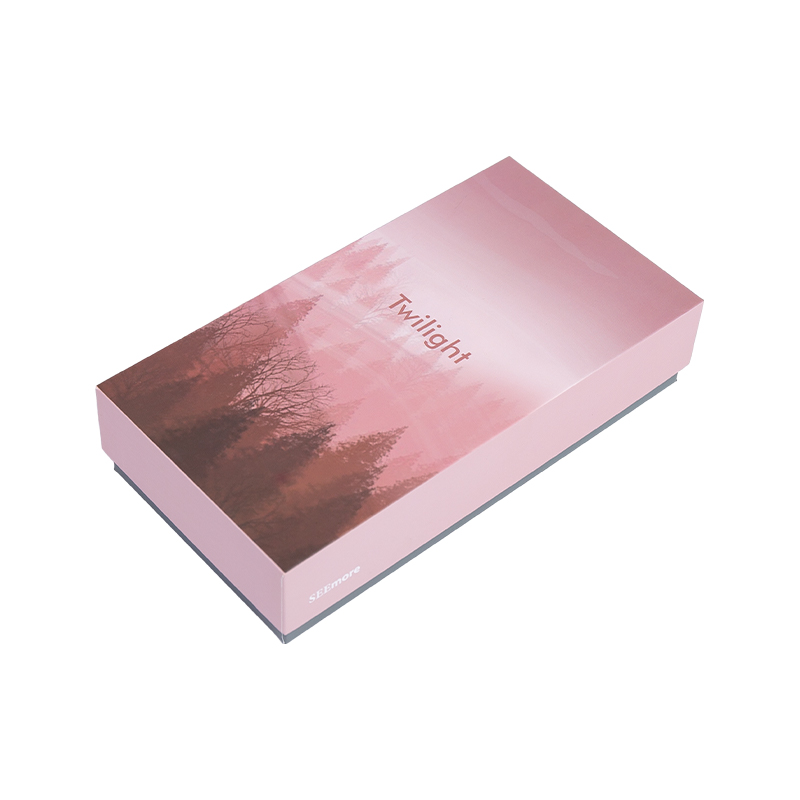
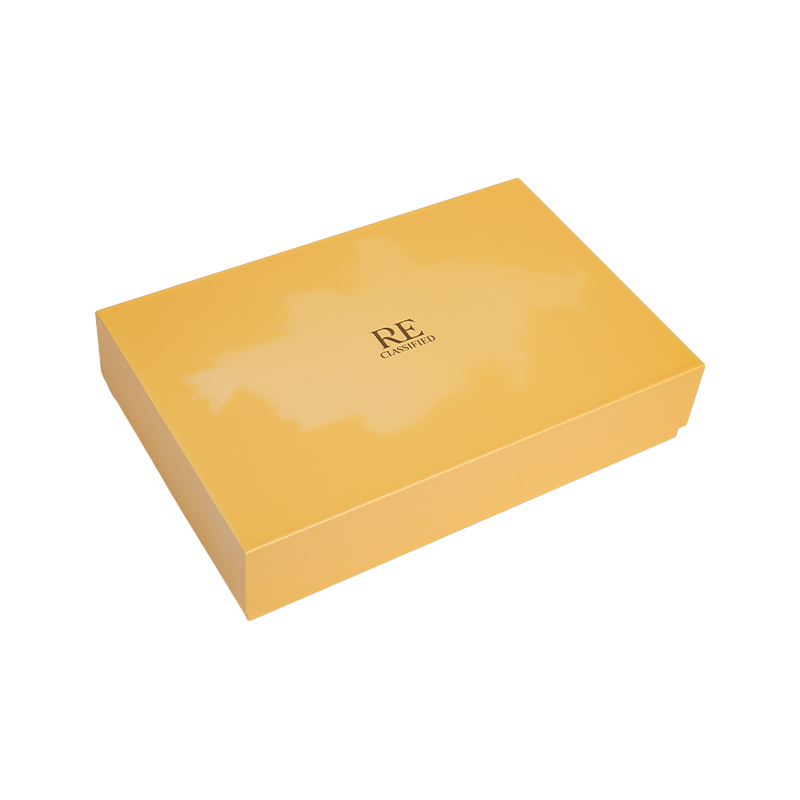
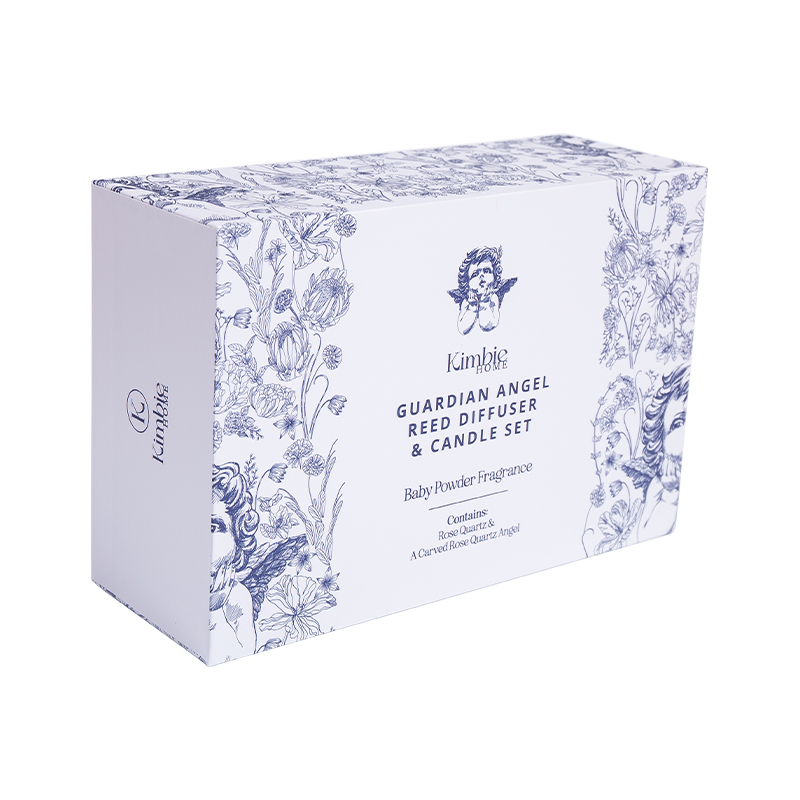
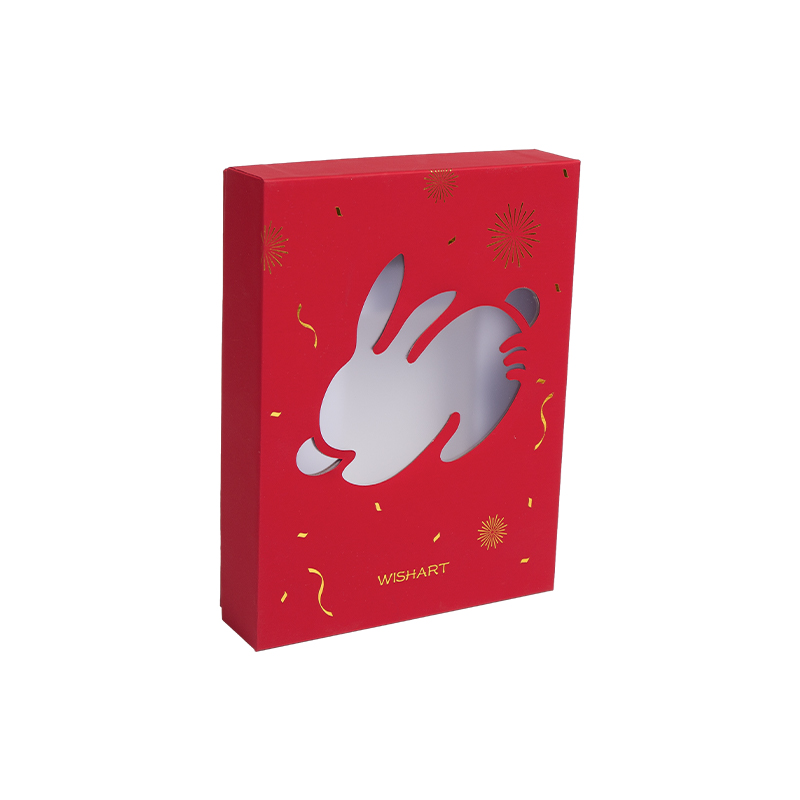
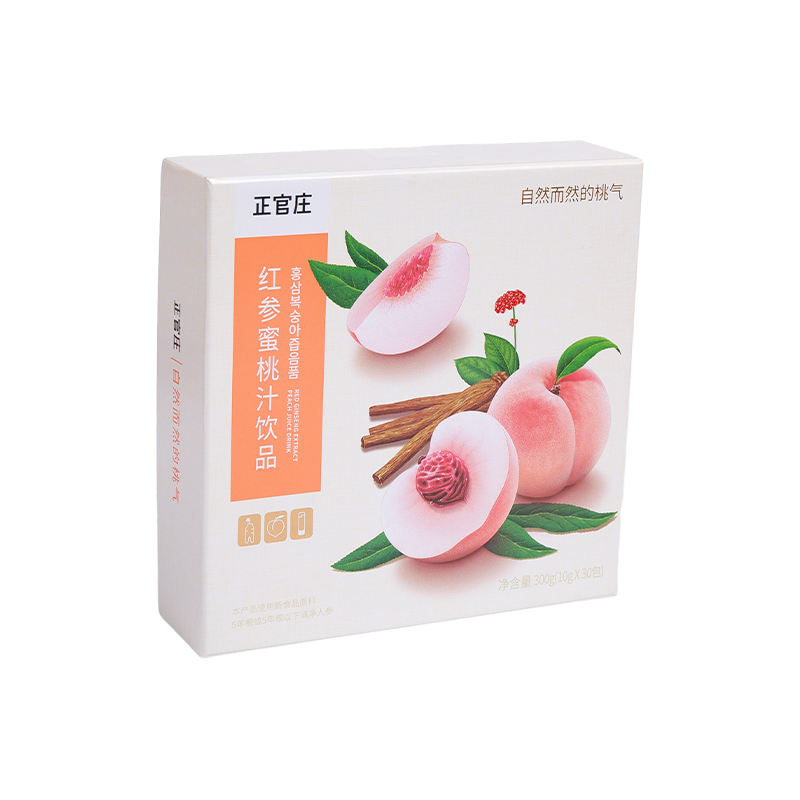
- Colored Cardboard Boxes: Made from color-coated cardboard, these boxes are commonly used for high-end products like gift boxes, cosmetic packaging, and premium retail items. They provide a more polished and professional appearance.
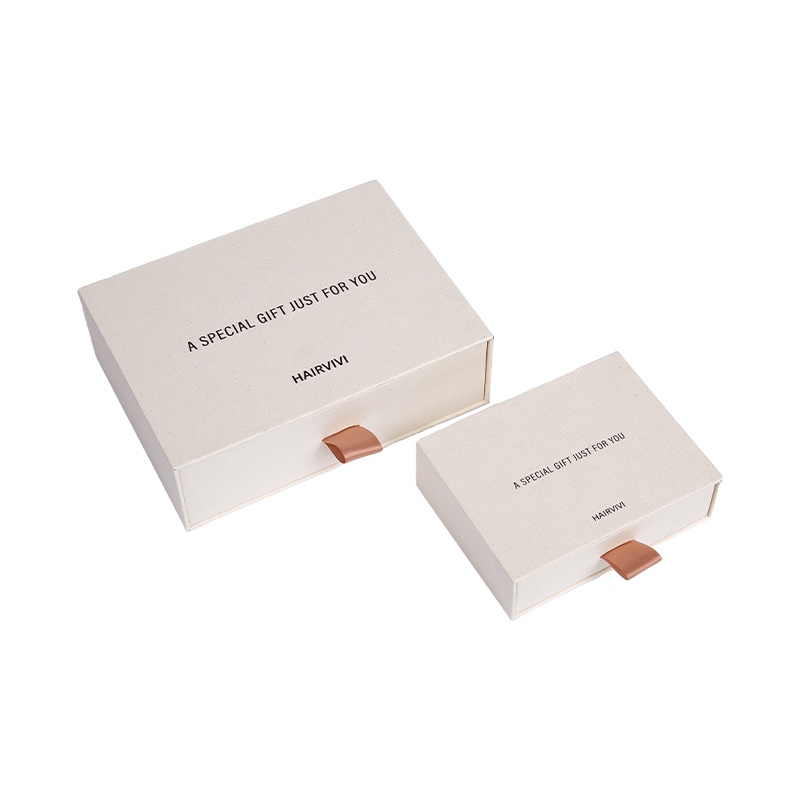
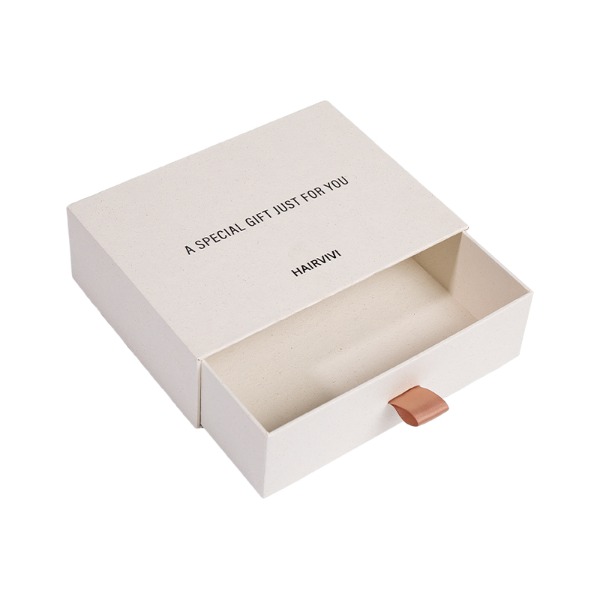
- Paper Sleeve Boxes: These are drawer-type boxes typically used for products that need a secure and stylish presentation, such as mobile phones and shoes.
- Folding Boxes: Folding boxes are made from multi-layer cardboard, ideal for small products like tissue boxes and eyewear packaging. They are space-efficient and easy to store.
Each type of cardboard box serves different purposes, and the choice largely depends on the product’s nature and packaging requirements.
Consider Product Dimensions and Weight
One of the important factors when choosing a cardboard display box is the size and weight of the product being packaged. Cardboard boxes are customizable in terms of size, so it’s essential to match the box dimensions to the size of the product. A box that’s too large will not only waste space but also make the product look less appealing. On the other hand, a box that’s too small can damage the product or make it harder to place on shelves.
- For Heavy Products: Use a thicker, multi-layer cardboard for added strength and durability.
- For Light Products: A single-layer cardboard box may suffice, but ensure it provides enough protection during shipping and handling.
Strength and Durability of Cardboard
The strength of the cardboard is crucial to ensure that the box can hold the product securely without damage during transport. When choosing a cardboard display box, consider the following factors:
- Compression Resistance: Cardboard boxes should be able to resist crushing or buckling, especially when stacked during transportation.
- Strength of the Material: Choose a box with enough strength to protect your product, especially if it is fragile or valuable.
To determine the box’s strength, look for specific paper grades or thicknesses like “flute size” or “board grade.” These factors determine the box’s strength and resistance to wear and tear.
Customization Options
Cardboard display boxes are highly customizable, making them an ideal choice for brands looking to enhance their packaging with unique designs. Customization can include:
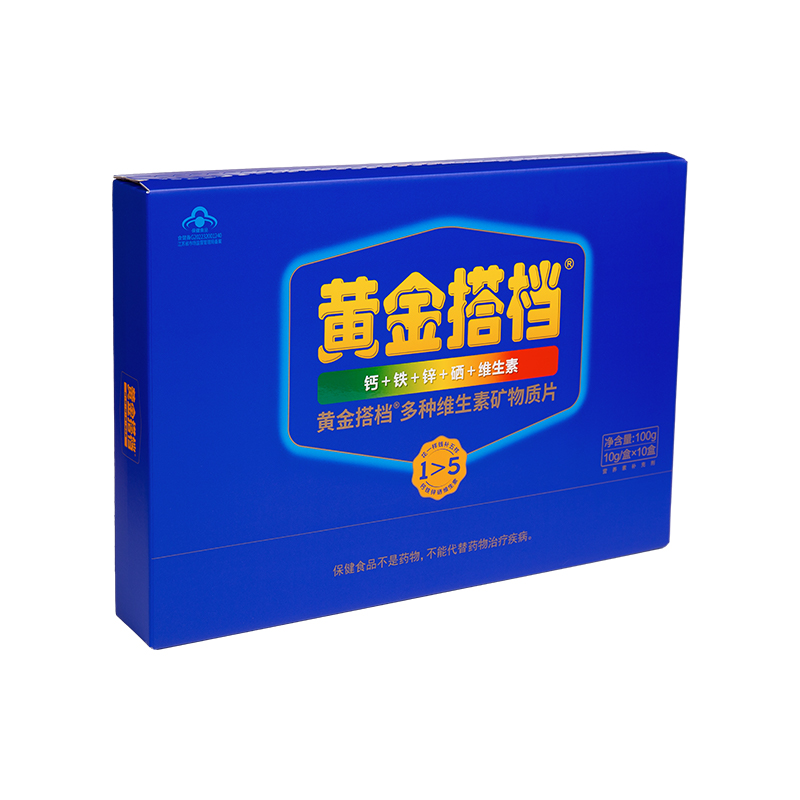
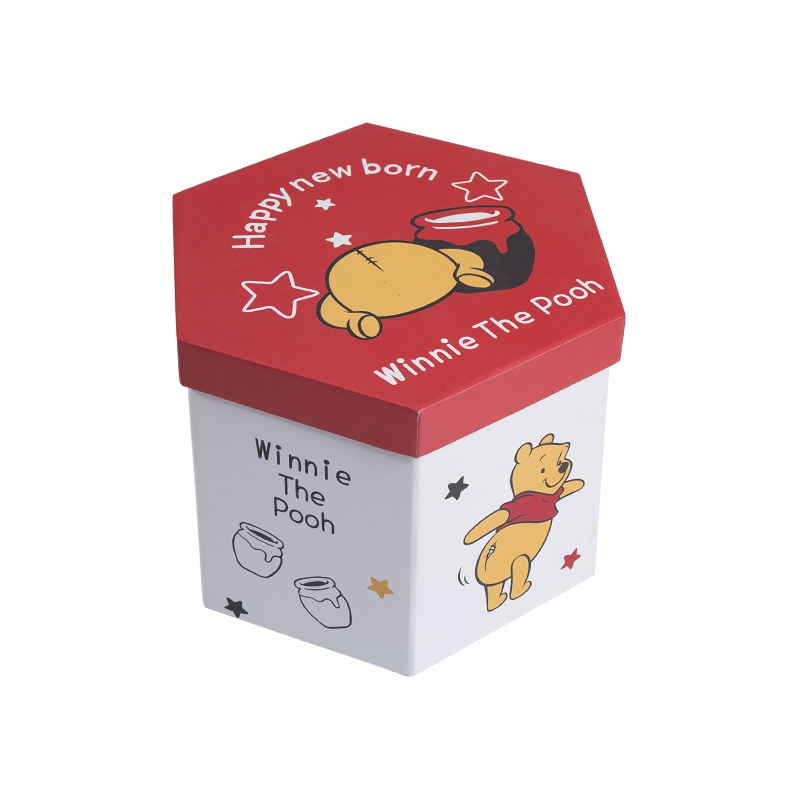
- Printed Designs and Logos: High-quality printing allows you to brand your products and create a distinctive look for your packaging. Whether it’s for product promotion or establishing brand identity, the right box design can make a big impact.
- Shape and Size: Cardboard display boxes can be tailored to fit the specific dimensions of your product. Whether you need a simple rectangular box or a custom-shaped box, there are options available.
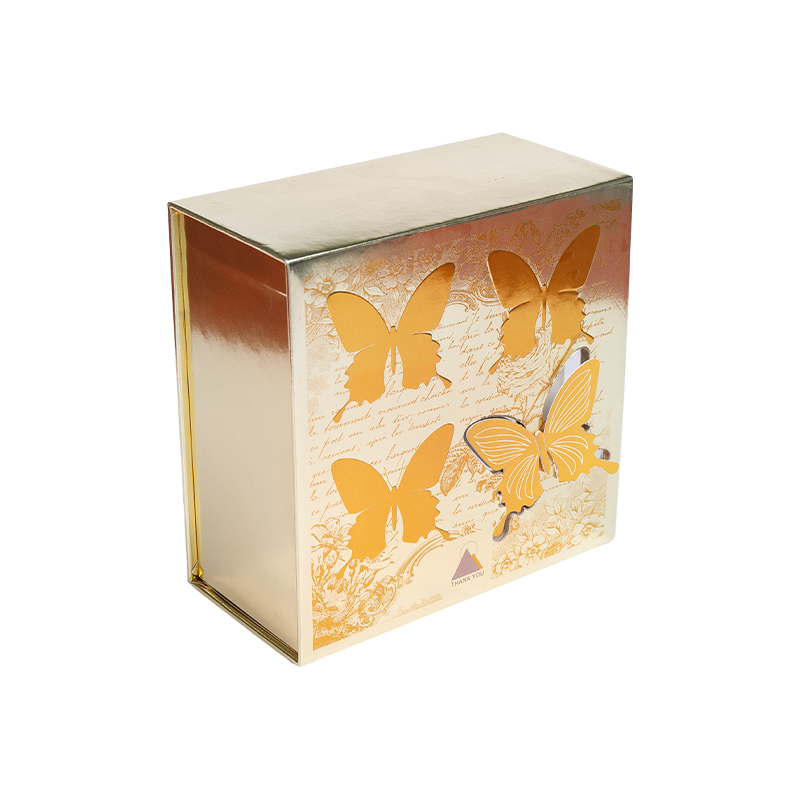
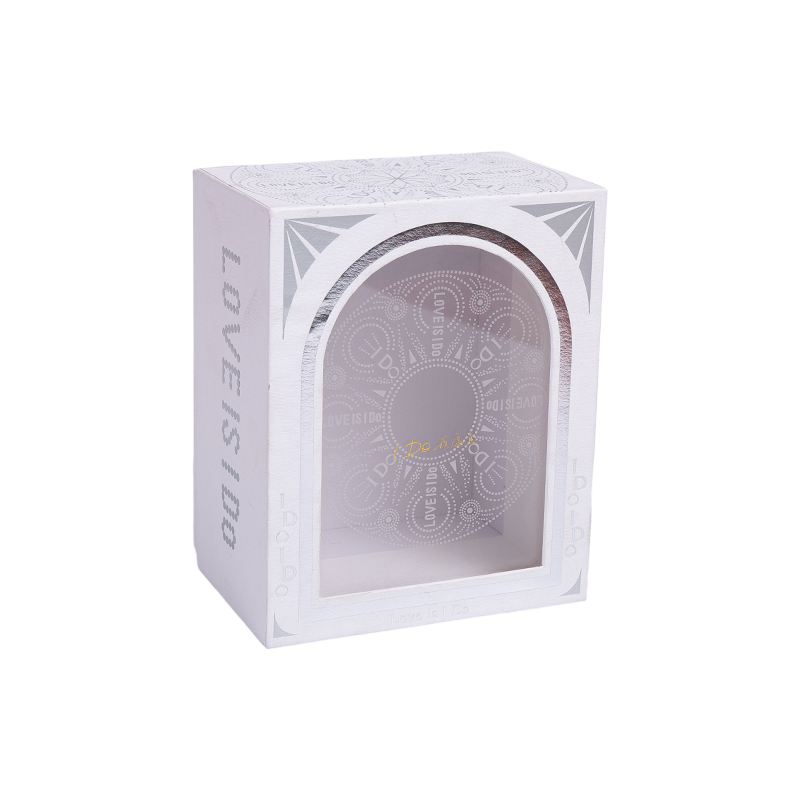
- Additional Features: Some boxes may include added features such as cut-out windows, handles, or lock tabs for extra functionality.
Eco-Friendliness and Sustainability
Sustainability is becoming increasingly important in the packaging industry. As consumers demand more eco-friendly products, choosing a cardboard display box made from recycled materials can improve your brand’s sustainability efforts.
- Recyclability: Cardboard is a renewable resource and can be recycled, making it an environmentally friendly choice.
- Biodegradable Options: Opting for biodegradable inks and coatings ensures that the box is more environmentally friendly at the end of its life cycle.
The eco-friendly nature of cardboard also helps position your brand as a responsible, environmentally-conscious business, which is highly valued by many consumers.
Cost-Effectiveness
While cardboard boxes are an affordable packaging solution, it’s important to balance cost with quality. Opting for a cheaper box may save money upfront but could result in product damage or poor presentation, ultimately costing more in the long run. When evaluating the cost, consider the following:
- Material Quality: Higher-quality cardboard may come at a slightly higher cost, but it offers better durability, strength, and presentation.
- Volume Discounts: Buying in bulk can help you secure lower prices per unit. Ensure you have accurate demand forecasts to avoid over-ordering and excess inventory.
Shelf Appeal and Presentation
The visual impact of a cardboard display box is crucial for attracting customers. Whether it’s on a shelf, in a store window, or at a trade show, a well-designed cardboard box can help your product stand out from the competition.
- Clarity and Readability: The design should be clear, with legible fonts and eye-catching graphics that convey the brand’s message.
- Attractiveness: Attractive colors, designs, and branding can make a significant difference in consumer decision-making. Consumers are more likely to purchase a product that stands out visually.
Stackability and Storage Efficiency
If your products are stored in bulk before reaching the retail shelves, stackability is an important factor to consider. Cardboard display boxes are often stacked for transport and storage, so choosing boxes that are designed to stack securely and efficiently can save valuable warehouse space.
- Flat or Pop-up Design: Some cardboard boxes come with pop-up features that allow them to be set up quickly in a retail environment, providing convenience and efficiency in-store.
Conclusion
Choosing the right cardboard display box for your products requires a careful balance of functionality, design, strength, and cost. By considering the factors outlined in this article, you can select a packaging solution that enhances your brand’s image, protects your products, and meets consumer needs. The versatility and eco-friendliness of cardboard display boxes make them a choice for a variety of products, from food to electronics. With the right customization and careful selection, cardboard display boxes can improve product presentation and contribute to your business’s success.
FAQ
1. What are the different types of cardboard display boxes?
There are several types, including ordinary cardboard boxes, colored cardboard boxes, paper sleeve boxes, and folding boxes. Each type serves different purposes, from light product packaging to high-end displays.
2. Can cardboard display boxes be customized?
Yes, cardboard boxes can be customized in size, design, and printing. Features like cut-out windows, handles, and logos can be added to enhance the packaging.
3. How do I ensure the cardboard display box is durable?
Choose a box made from thicker, multi-layer cardboard for heavy products. Consider the material’s strength and compression resistance to ensure your product stays safe during transportation.
4. Are cardboard display boxes eco-friendly?
Yes, cardboard is a recyclable and biodegradable material, making it an environmentally friendly packaging choice.
5. What factors should I consider when selecting the right cardboard display box?
Factors to consider include the product’s size and weight, the strength of the material, customization options, eco-friendliness, cost, and the box’s shelf appeal.
 Previous