 中文简体
中文简体 
 English
Bottom line Choose a corrugated box with printing based on three factors: product weight determines board strength (ECT 32–51), brand needs decide print method (flexo for volume, offset for quality), and retail environment guides coating choice. Always order physical samples before full production.
Board strength and flute selection
The foundation of any corrugated box with printing is its board construction. Single-wall boxes with E flute produce the finest print surface but offer less stacking strength than B or C flute options. Double-wall constructions combine flutes for heavy-duty applications. ECT (Edge Crush Test) ratings directly correlate with stacking performance — each point of ECT adds approximately 20 kg of top-load capacity per metre of box circumference. For e-commerce shipments, ECT 32 is the minimum standard; ECT 44 is recommended for high-value or heavy products.
E Flute 1.5 mm · Finest print · Retail displays
B Flute 2.5 mm · Good crush resistance · Standard shipping
C Flute 3.5 mm · Balanced strength · E-commerce favourite
BC Double-wall 6.0 mm · Maximum protection · Heavy industrial
Printing technology comparison
Printing quality on corrugated boxes varies significantly by method. Flexographic printing uses rubber or photopolymer plates and water-based inks, delivering speeds up to 300 metres per minute. It is the most economical choice for orders above 10,000 units. Offset printing, using metal plates and oil-based inks, produces sharper images with finer detail — ideal for premium consumer goods where shelf appeal drives purchase decisions. Digital printing, employing inkjet or toner technology, enables variable data, personalised designs, and minimum orders as low as 100 units. The table below summarises the trade-offs:
Method Resolution Min order Cost per box Best use
Flexographic 85–133 LPI 5,000+ $0.30–0.80 High volume shipping
Offset 300+ LPI 1,000+ $0.80–2.50 Retail & premium
Digital 2400 DPI 100+ $1.50–5.00 Short runs & prototypes
Cost-saving insight: For runs between 5,000 and 10,000 units, compare flexo plate costs against digital per-unit pricing. Flexo becomes cheaper beyond 8,000 units on average, but digital offers faster turnaround and no plate fees.
Coating and surface treatments
Coatings protect printed graphics from scuffing, moisture, and handling damage. Aqueous coatings are water-based, biodegradable, and provide a matte or gloss finish — suitable for most e-commerce and retail applications. UV coatings cure under ultraviolet light, creating a harder, glossier surface with superior scratch resistance; they are preferred for luxury retail and cosmetic packaging. BOPP lamination applies a thin plastic film over the box surface, offering the highest level of protection against oil, grease, and extreme humidity, though it reduces recyclability. For food packaging, ensure coatings meet FDA compliance standards.
Aqueous
Matte or gloss finish
Biodegradable
Standard protection
UV
High-gloss, hard finish
Scratch-resistant
Premium appearance
BOPP Lamination
Film protection
Waterproof
Maximum durability
Application-based selection guide
Different industries have distinct requirements for corrugated boxes with printing. E-commerce brands prioritise cost-effective shipping protection with clear branding — single-wall C flute, ECT 32, flexographic printing, and aqueous coating deliver this balance. Food and beverage packaging demands food-grade materials, FDA-compliant inks, and often E flute for crisp product photography. Consumer electronics require ESD (electrostatic discharge) protection and often custom die-cut foam inserts, with double-wall construction for impact resistance. Retail display boxes require the highest print quality — E flute with offset printing and UV coating ensures maximum shelf impact.
E-commerce
C flute · ECT 32 · Flexo · Aqueous
Food & beverage
E flute · Food-grade · Offset · FDA inks
Electronics
Double-wall · ECT 44 · Custom inserts
Retail display
E flute · Offset · UV coating · Die-cut
Structural design considerations
Beyond strength and printing, the box structure affects user experience and logistics efficiency. Regular slotted containers (RSC) are the most common and cost-effective, using minimal material for maximum volume. Half-slotted containers (HSC) allow easy top-loading for assembly lines. Full-telescope designs provide double-wall protection on both top and bottom, ideal for fragile items. Custom die-cut features — such as handles, product windows, and interior partitions — add functionality but increase tooling costs. A well-designed box reduces wasted space, lowering both material usage and shipping costs by 5–15% compared to generic sizing.
- RSC: standard shipping, best value
- HSC: top-loading for automated packing
- Full telescope: double-wall protection
- Die-cut handles: improved carrying experience
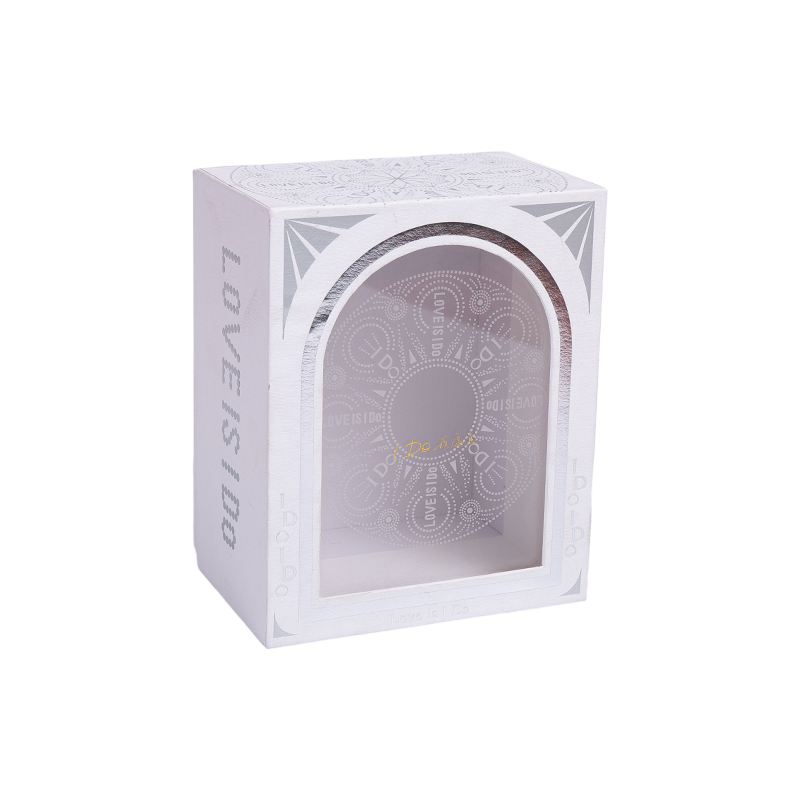
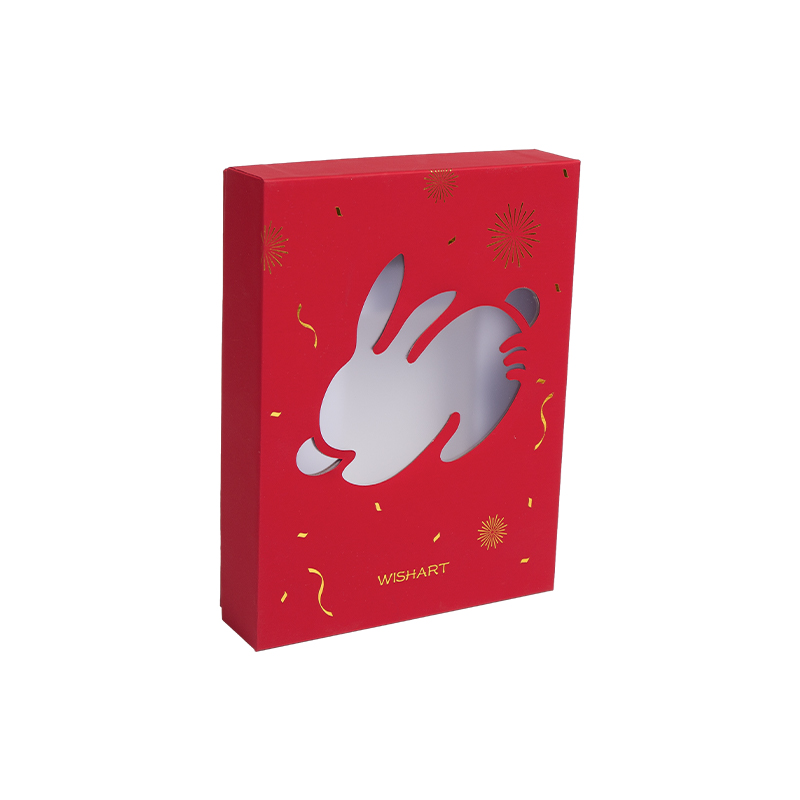
- Product windows: visual appeal without opening
Supplier qualification checklist
When evaluating a corrugated box with printing manufacturer, request the following verifications:
Physical samples
Request 5–10 sample boxes with your artwork to test print quality, board strength, and fit.
Compression test data
Verify that delivered boxes meet specified ECT ratings through independent lab testing.
Colour accuracy
Ask for Delta E measurements against your brand standards — below 3 is acceptable.
Lead time and MOQ
Confirm minimum order quantities and production timelines for both standard and custom orders.
Environmental and sustainability factors
Corrugated boxes with printing are among the most sustainable packaging options available. Over 90% of corrugated packaging is recovered and recycled, making it far more circular than plastic alternatives. For brands seeking to reduce environmental impact, request boxes with 30–50% post-consumer recycled content. Choose water-based inks and aqueous coatings instead of oil-based or plastic alternatives. FSC certification ensures the paper originates from responsibly managed forests. Some suppliers now offer carbon-neutral production and take-back programmes for used boxes, further closing the loop.
90%+ Recycling rate
50% Recycled content available
30% Potential weight reduction
15% Shipping cost saving with custom fit
Final verdict: A corrugated box with printing delivers brand exposure and product protection in one package. Match flute to your product weight and print method to your brand goals. Always test samples, verify ECT ratings, and choose coatings that align with your sustainability commitments.