 中文简体
中文简体 
 English
Essential guide Choose recycled card boxes with 80%+ post-consumer content, FSC certification, and water-based coatings. Board weight: 300–400 GSM for light items, 500+ GSM for heavy goods. Offset printing delivers premium results on recycled surfaces.
Recycled content grades explained
The environmental value of recycled card boxes hinges on fibre source and percentage. Post-consumer recycled (PCR) fibre comes from packaging recovered after consumer use — the most sustainable option. Pre-consumer recycled fibre derives from manufacturing waste. Premium recycled boxes contain 80–100% PCR, while standard grades mix PCR with pre-consumer material. Independent lifecycle assessments show that 80% PCR board reduces carbon emissions by 45% compared to virgin board, with only a 5–8% reduction in burst strength.
Premium PCR
80–100% post-consumer
Lowest carbon footprint
Premium brand positioning
Standard mixed
50–80% recycled content
Balanced cost & performance
Widely available
Pre-consumer
Manufacturing waste only
Good environmental value
Cost-effective option
Board weight and product matching
GSM (grams per square metre) directly correlates with box rigidity and protective capacity. Lightweight consumer products — cosmetics, greeting cards, small accessories — require 280–350 GSM board. Medium-weight items including apparel, books, and packaged foods perform well with 350–450 GSM. Heavy products such as tools, kitchenware, and electronics demand 450–600 GSM or double-wall construction. Compression testing confirms that 450 GSM recycled board with 80% PCR content withstands pallet stacking up to 1.8 metres without deformation, making it suitable for warehouse storage and retail displays.
280–350 GSM
Cosmetics · Cards · Light goods
350–450 GSM
Apparel · Books · Food
450–600 GSM
Tools · Electronics · Heavy items
Printing on recycled board
Recycled board surfaces require adjusted printing parameters compared to virgin board. The recycled fibre structure absorbs more ink, which can reduce colour density by 10–15% if not compensated. Offset printing delivers the finest detail on coated recycled board, achieving 250 LPI with proper ink formulation. Flexographic printing works well for simpler designs and high-volume production. Digital printing offers flexibility for short runs, though ink adhesion may vary with recycled content. Surface coating — particularly aqueous or UV — creates a smoother, less absorbent layer that significantly improves colour vibrancy and detail reproduction.
Offset printing 250+ LPI · Premium quality · Best colour reproduction
Flexographic 100 LPI · High volume · Cost-effective for large runs
Digital printing 2400 DPI · Short runs · Variable data capability
Technical note: Recycled board requires 5–8% higher ink density than virgin board to achieve equivalent colour saturation. Aqueous-coated surfaces reduce this requirement to 3–5% while maintaining full recyclability.
Coating and protection options
Surface coatings serve dual purposes: protecting printed graphics and enhancing the box appearance. Water-based aqueous coatings are the most sustainable choice — fully recyclable, compostable, and available in matte, satin, or gloss finishes. UV coatings provide superior scratch and moisture resistance with a high-gloss finish, ideal for premium retail applications. Varnish offers a lighter, more economical protection layer suitable for standard packaging. For food packaging, select FDA-approved coatings that maintain safety while providing adequate protection against moisture and grease.
1
Aqueous
Biodegradable · Fully recyclable · Matte to gloss
2
UV
Scratch-resistant · High gloss · Premium durability
3
Varnish
Light protection · Economical · Standard grade
Structural design for recycled materials
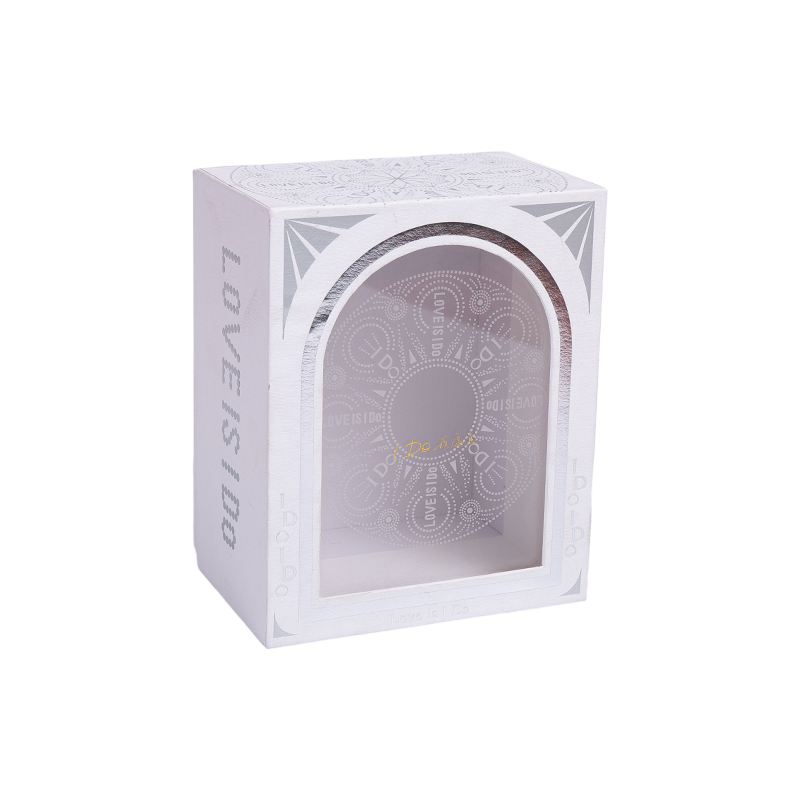
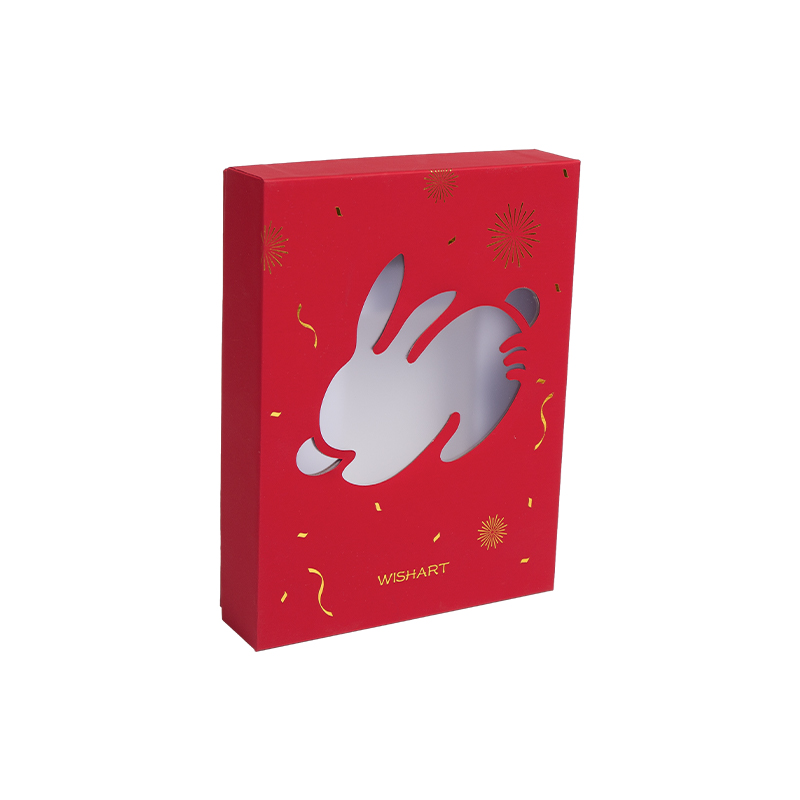
Recycled fibre has different folding and creasing characteristics than virgin fibre. The shorter fibre length in recycled board can reduce folding strength by 10–15%. Design adjustments compensate for this: increase crease width by 0.2–0.3 mm, use deeper scoring, and avoid tight-radius folds. Common box styles include folding cartons for retail products, rigid boxes for luxury items, and tuck-end boxes for lightweight goods. Custom die-cutting enables windows, handles, and unique silhouettes that enhance shelf presence. For e-commerce, reinforced corners and double-wall construction provide additional protection during transit.
- Folding cartons — most common, efficient storage, versatile
- Rigid boxes — premium protection, luxury presentation
- Tuck-end boxes — simple closure, lightweight products
- Die-cut designs — windows, handles, custom shapes
- Reinforced corners — added protection for shipping
Certifications to verify
Third-party certifications validate sustainability claims and ensure material quality. FSC certification guarantees responsible fibre sourcing when virgin content is present. Recycled Content certification verifies the percentage of recycled material in the box. ISO 14001 confirms the manufacturer follows environmental management standards. For food contact, FDA compliance and BRC certification are mandatory. Request certification documentation from every supplier — verified certifications provide protection against greenwashing and support credible sustainability marketing.
FSC certified Responsible fibre sourcing
Recycled Content Verified PCR percentage
ISO 14001 Environmental management
FDA compliant Food contact safety
Application-specific specifications
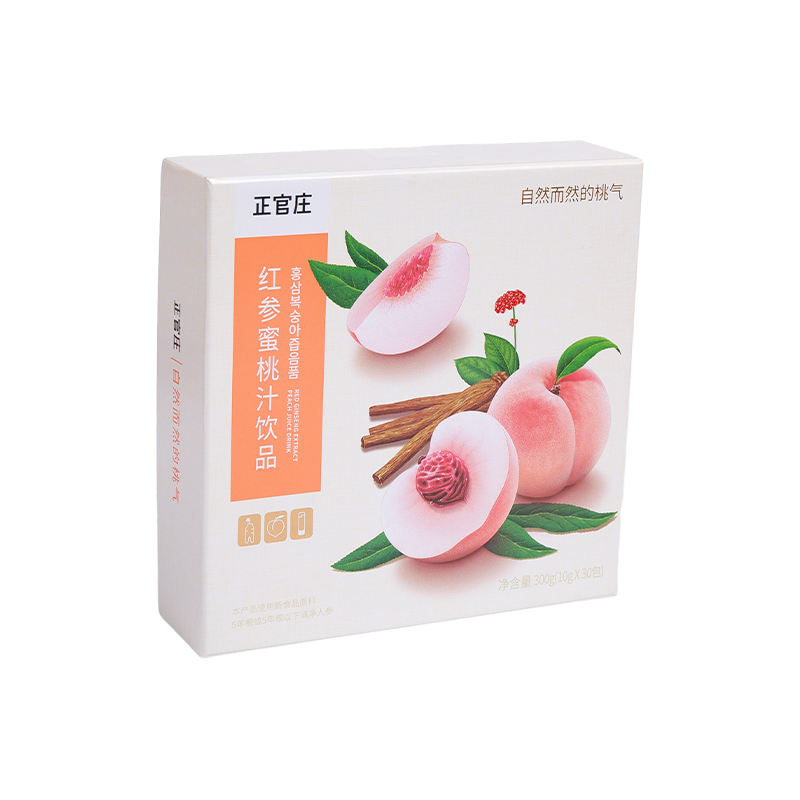
Each product category requires tailored box specifications. Cosmetics and personal care: 350–400 GSM, offset printing, aqueous coating, custom inserts. Food products: 300–350 GSM, FDA-compliant materials, grease-resistant coating. E-commerce shipments: 450+ GSM or double-wall, flexographic printing, reinforced corners. Retail and gift packaging: 400–500 GSM, offset printing, UV or aqueous coating, embossing options. Matching specifications to application ensures optimal protection, presentation, and cost-efficiency.
Cosmetics 350–400 GSM · Offset · Aqueous · Inserts
Food 300–350 GSM · FDA grade · Grease-resistant
E-commerce 450+ GSM · Flexo · Reinforced corners
Retail & gift 400–500 GSM · Offset · UV · Embossing
Supplier verification checklist
Before committing to an order, verify these critical points with your recycled card boxes supplier:
Recycled content certification with verified PCR percentage
FSC certification for any virgin fibre content
Physical samples with your artwork for quality testing
Compression test data meeting your stacking requirements
FDA compliance documentation for food contact applications
Lead time and MOQ confirmation for your volume
Final verdict: Recycled card boxes deliver sustainable packaging with strong brand presentation. Match GSM to product weight, choose aqueous coatings for maximum recyclability, and partner with a certified manufacturer who provides third-party verification of recycled content and FSC certification.
 Previous