 中文简体
中文简体 
 English
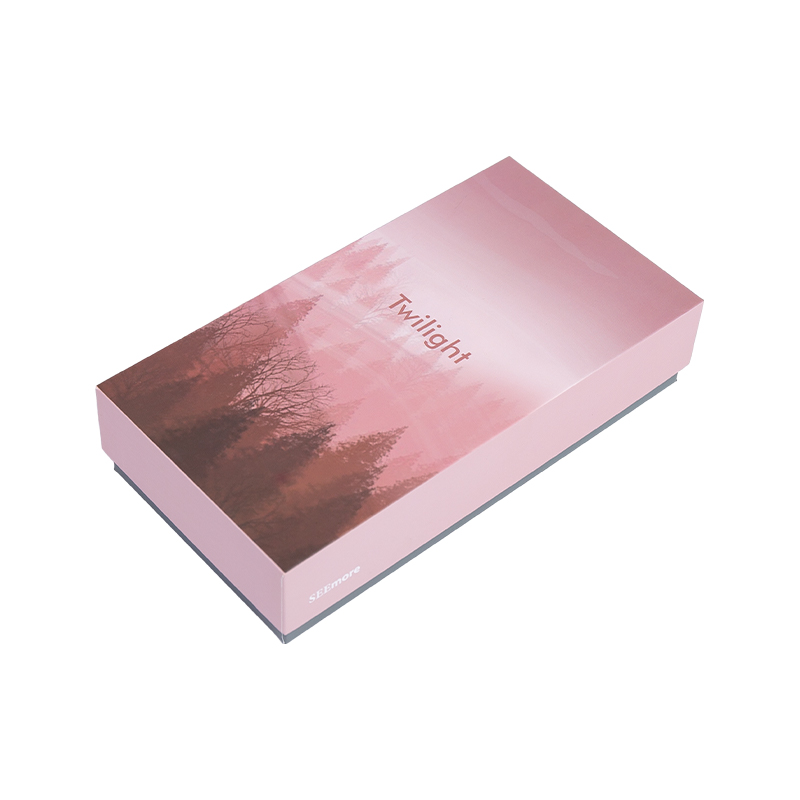
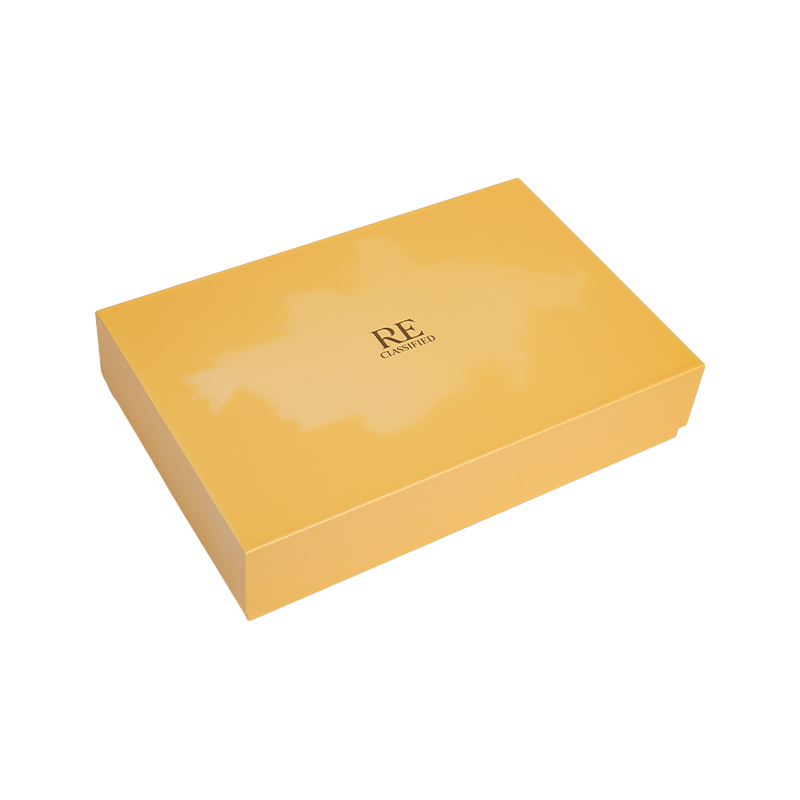
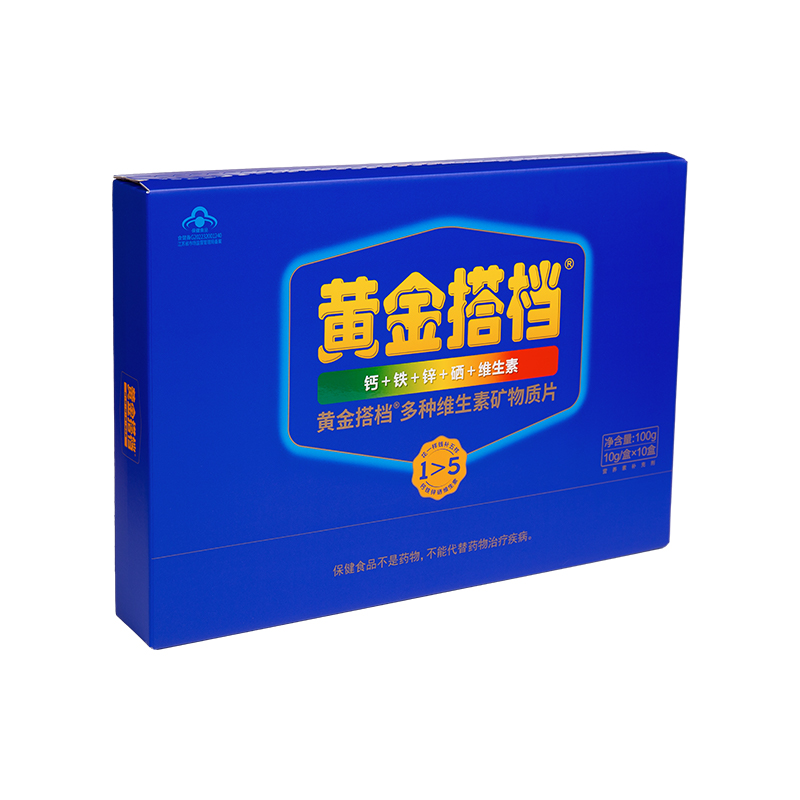
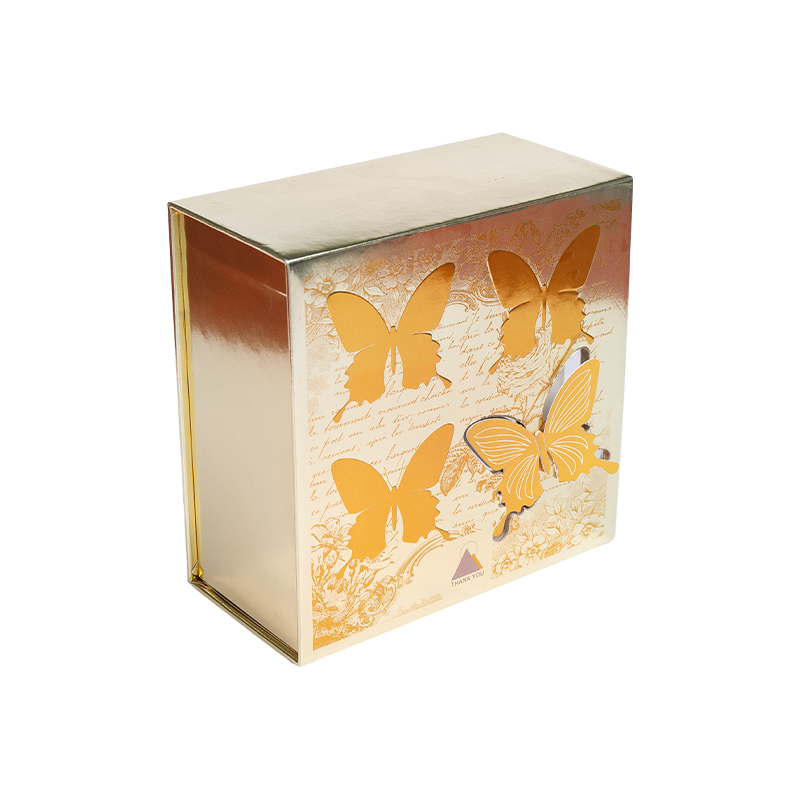
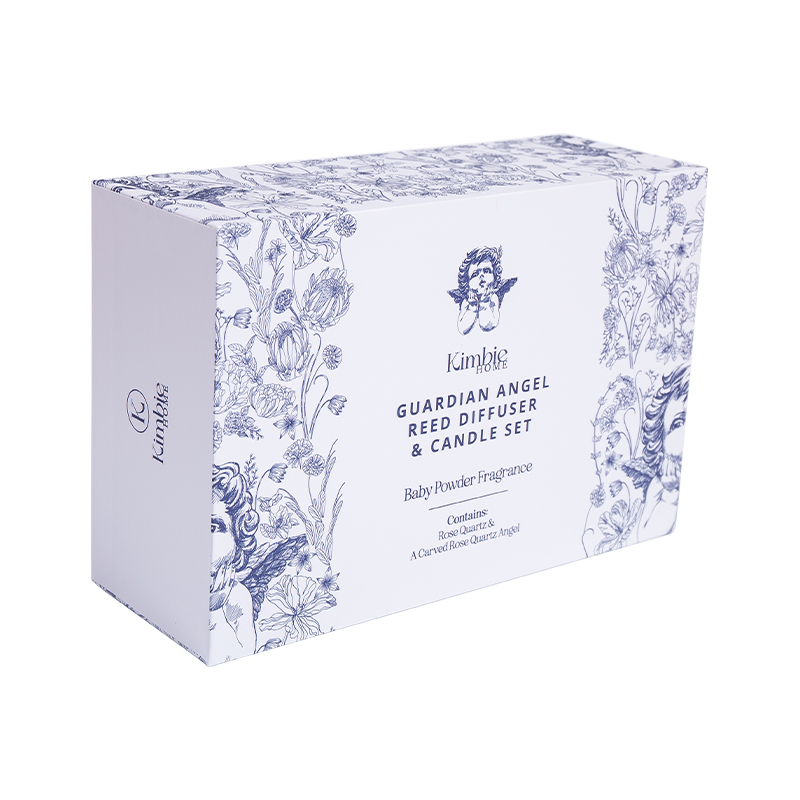
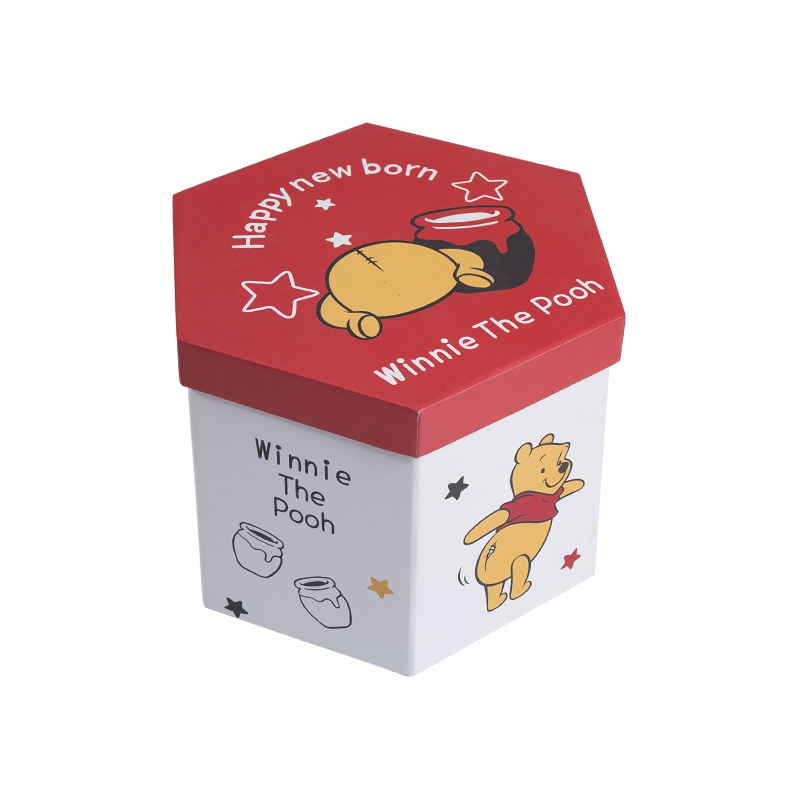
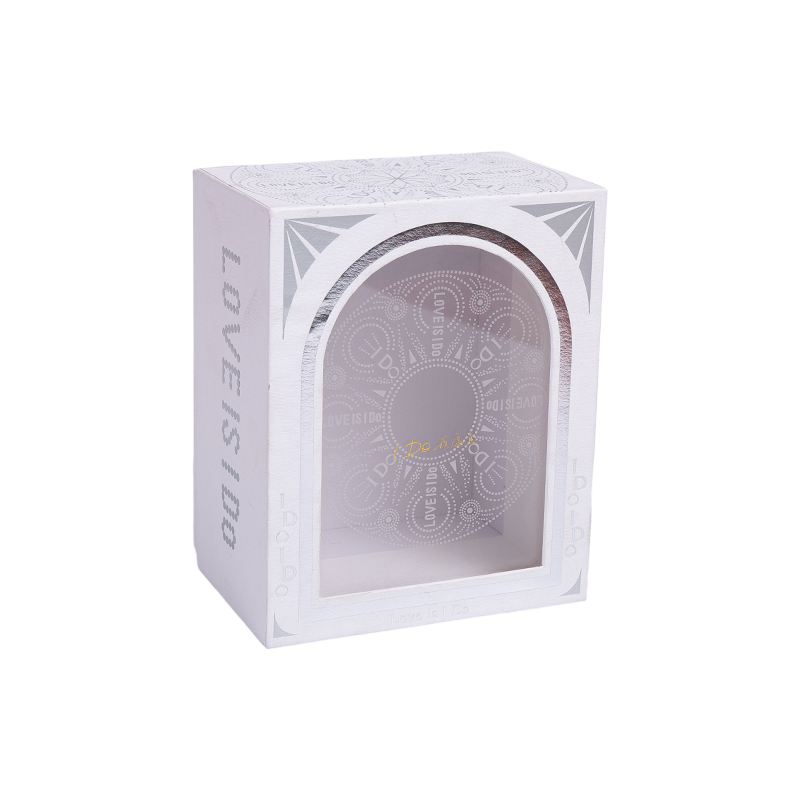
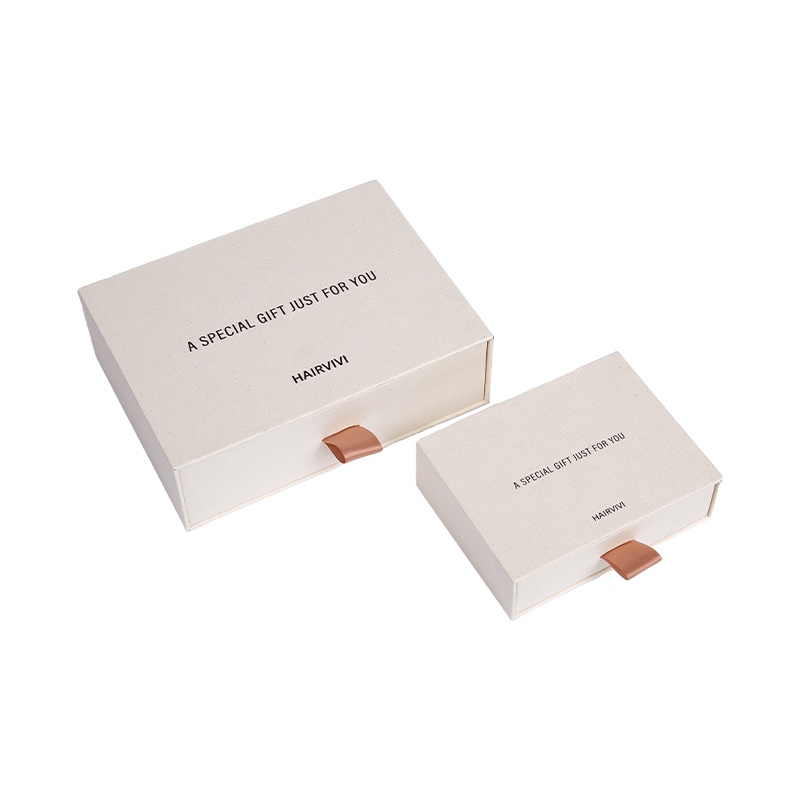
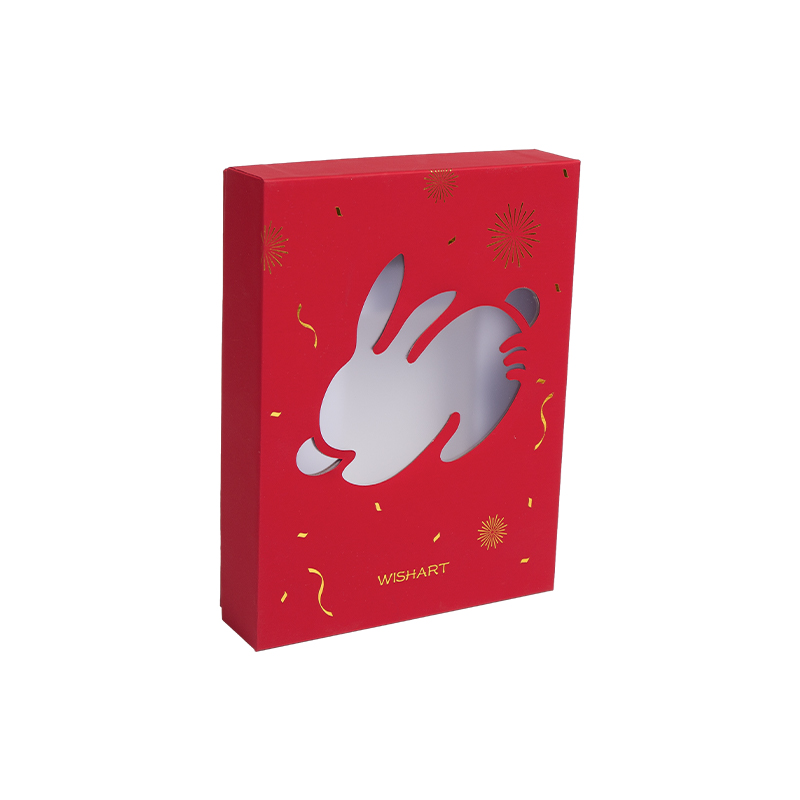
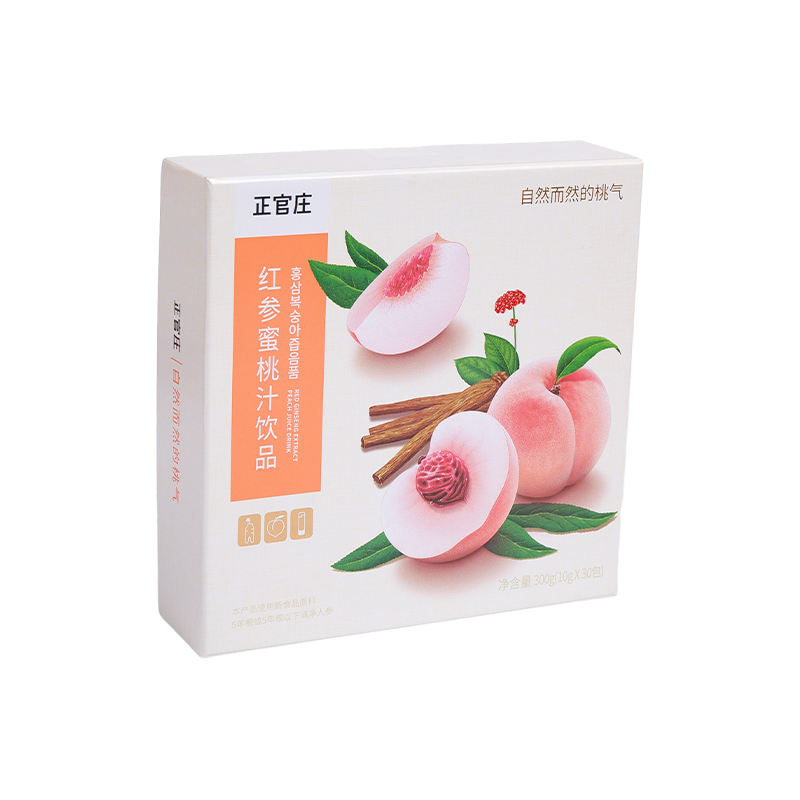
Printed recyclable cardboard packaging boxes are eco-friendly paper-based solutions that combine product protection with custom branding capabilities. Made from recycled or virgin paper fibers, these boxes feature high-quality printing for logos, product information, and marketing graphics — all while being fully recyclable after use. A premium printed recyclable cardboard packaging box delivers brand visibility, product safety, and environmental responsibility for retail, e-commerce, food, and consumer goods applications.
70–90 percent recycled content available
4–6 color printing options
3 primary box styles
Material composition and sustainability
Printed recyclable cardboard packaging boxes are manufactured from paper fibers sourced from recycled content, virgin pulp, or a combination of both. The fiber composition determines the box's strength, appearance, and environmental footprint. Boxes made with 70–90 percent post-consumer recycled content offer the highest sustainability value while maintaining structural integrity sufficient for most packaging applications. Virgin fiber boxes provide maximum strength and a cleaner surface for premium printing — often preferred for luxury retail packaging. The manufacturing process uses water-based inks and adhesives that do not compromise recyclability. A printed recyclable cardboard packaging box with FSC certification ensures the paper fibers come from responsibly managed forests, while the recyclable design supports circular packaging systems. The material thickness ranges from 0.5–3.0 mm depending on the box type, with corrugated structures providing additional strength for shipping applications.
Recycled fiber 70–90% post-consumer · Highest sustainability
Virgin fiber Premium print · Maximum strength
FSC certified Responsible sourcing · Eco-conscious
Box styles and structural types
Printed recyclable cardboard packaging boxes are available in three primary structural styles, each suited to different applications. Corrugated boxes feature a fluted medium between two liner boards, providing excellent cushioning and stacking strength — ideal for shipping, e-commerce, and industrial packaging. Folding cartons are constructed from paperboard (0.3–0.8 mm thickness) with a premium printing surface, used for retail products, cosmetics, and consumer goods where visual appeal is critical. Kraft boxes are made from natural brown kraft paper, offering a rustic, eco-friendly appearance that appeals to sustainable brands and organic products. The choice of box style affects printing capabilities — folding cartons support the highest print quality with offset printing, while corrugated boxes typically use flexographic printing for larger runs. Structural features such as tuck-end, snap-lock, or auto-bottom closures affect assembly efficiency and product security.
Corrugated High strength · Shipping · E-commerce
Folding carton Premium print · Retail · Cosmetics
Kraft Natural appearance · Eco · Organic
Printing technologies and finishes
Printed recyclable cardboard packaging boxes support multiple printing methods, each offering different quality and cost characteristics. Flexographic printing is the most common for corrugated boxes, providing good quality at high speeds with 4–6 colour capacity — cost-effective for large production runs. Offset printing delivers superior image quality (300+ LPI) with precise colour matching, ideal for folding cartons and retail packaging where brand colours are critical. Digital printing enables short runs, variable data, and rapid prototyping, with 2400 DPI resolution for detailed graphics. Surface finishes enhance the printed appearance and protect the box during handling. Aqueous coatings provide a matte or gloss finish that is recyclable and compostable. UV coatings offer maximum gloss and scratch resistance but may reduce recyclability. Embossing and foil stamping add premium tactile effects for luxury packaging. Printing ink selection is important — vegetable-based inks are preferred for sustainable packaging.
Flexographic High volume · 4–6 colour · Corrugated
Offset 300+ LPI · Premium · Folding cartons
Digital Short runs · Variable data · Prototyping
Key performance specifications
Selecting the right printed recyclable cardboard packaging box requires understanding critical performance specifications. Edge Crush Test (ECT) rating measures stacking strength — ECT 32 is standard for shipping boxes, ECT 44 for heavy-duty applications. Burst strength (Mullen test) indicates resistance to puncture and rupture — 200 lb/in² for general use, 275+ lb/in² for demanding applications. Box dimensions must accommodate product size with appropriate clearance — typically 5–10 mm on each side. Paper weight, measured in GSM, ranges from 150–350 GSM for folding cartons and 200–600+ GSM for corrugated boxes. Colour fastness rating (minimum 4 out of 5) ensures printed graphics resist fading during handling and display. Moisture resistance can be enhanced with barrier coatings for food and beverage applications. Sustainability credentials — recycled content percentage, FSC certification, and compostability — are increasingly important for brand-conscious customers.
Application environments
◆
E-commerce Shipping boxes · Product delivery · Corrugated
◆
Retail Folding cartons · Consumer goods · Cosmetics
◆
Food & beverage Food cartons · Takeaway · Kraft natural
◆
Brand promotions Custom boxes · Gift packaging · Events
Selection checklist
Define box style (corrugated, folding carton, kraft)
Specify dimensions and product fit
Select printing method and colour count
Determine ECT or burst strength rating
Verify recycled content and FSC certification
Choose surface finish (aqueous, UV, matte, gloss)
Storage and handling
Proper storage preserves the structural integrity and print quality of printed recyclable cardboard packaging boxes. Boxes should be stored in a cool, dry environment with humidity levels below 60 percent — excess moisture weakens paper fibers and affects adhesion. Flat storage on pallets is recommended, with weight distribution to prevent crushing. Boxes should be kept in their original packaging until use to protect against dust and damage. Avoid storing near heat sources or in direct sunlight, which can cause fading or material degradation. A first-in-first-out inventory system ensures older stock is used before potential quality degradation. For printed boxes, careful handling prevents scuffing and surface damage. With proper storage, cardboard boxes maintain their performance characteristics for 6–12 months, though this varies based on material quality and environmental conditions.
Final guidance: Select printed recyclable cardboard packaging boxes by matching box style to application — corrugated for shipping and e-commerce, folding carton for retail and premium products, kraft for natural/organic branding. Choose printing method based on volume and quality requirements — flexo for large runs, offset for premium graphics, digital for short runs. Verify recycled content and FSC certification for sustainability credentials. A well-chosen box delivers product protection, brand visibility, and environmental responsibility.
 Previous