 中文简体

 English
What Are Cardboard Packaging Boxes and How Are They Classified
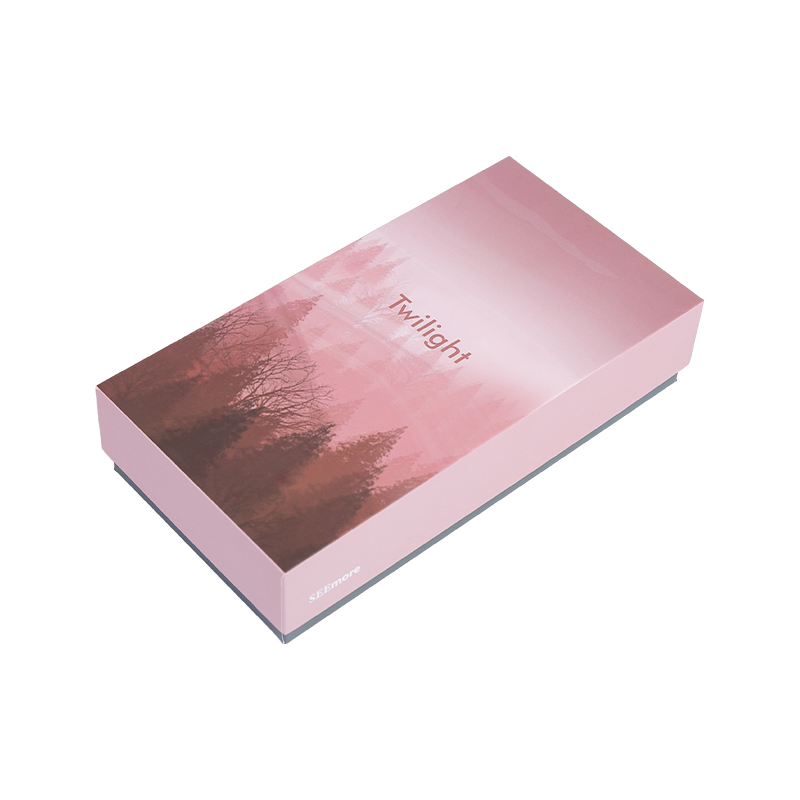
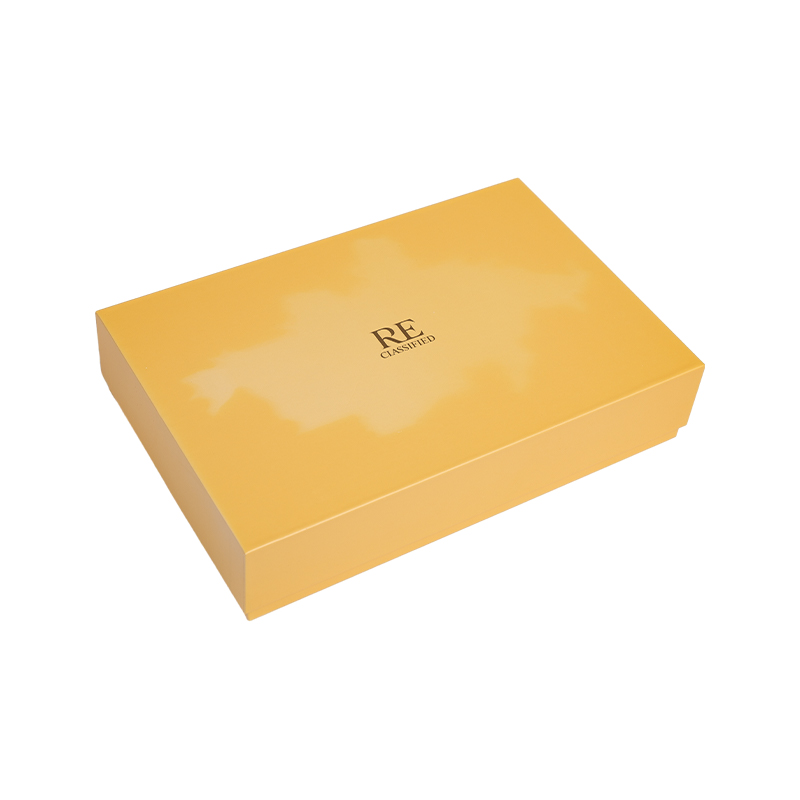
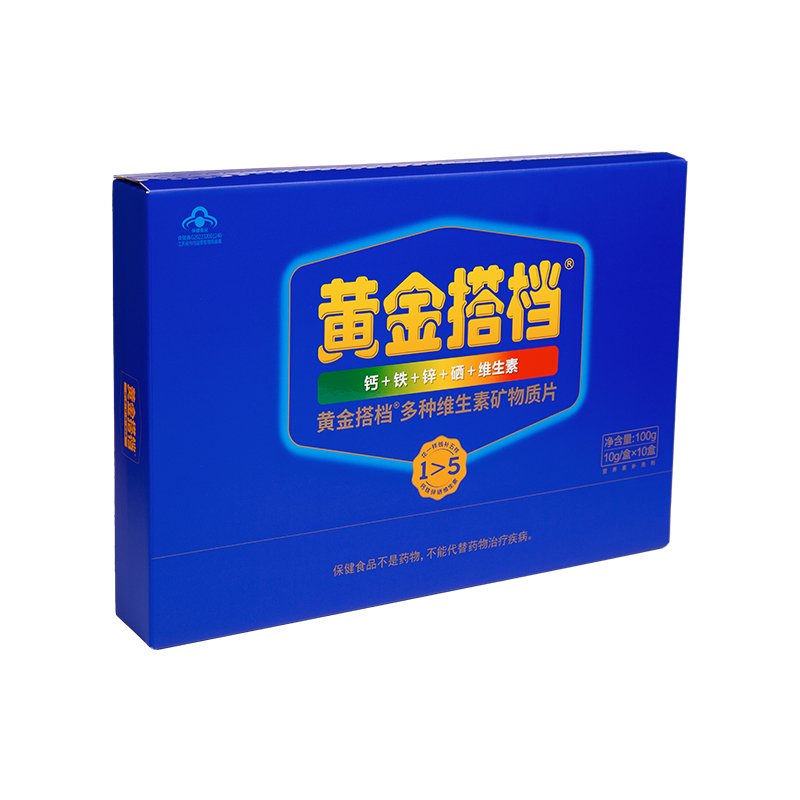
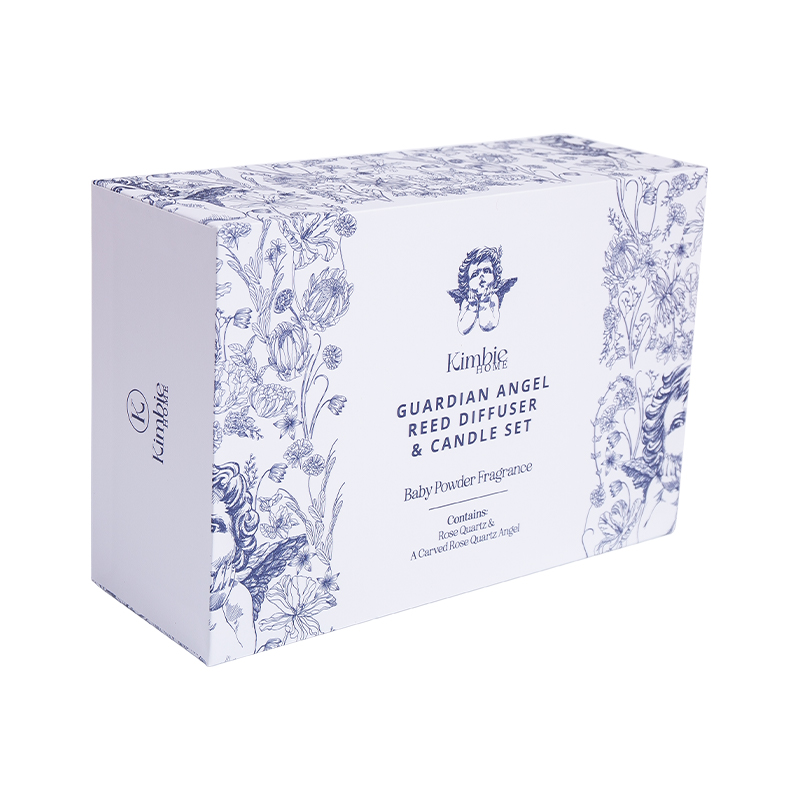
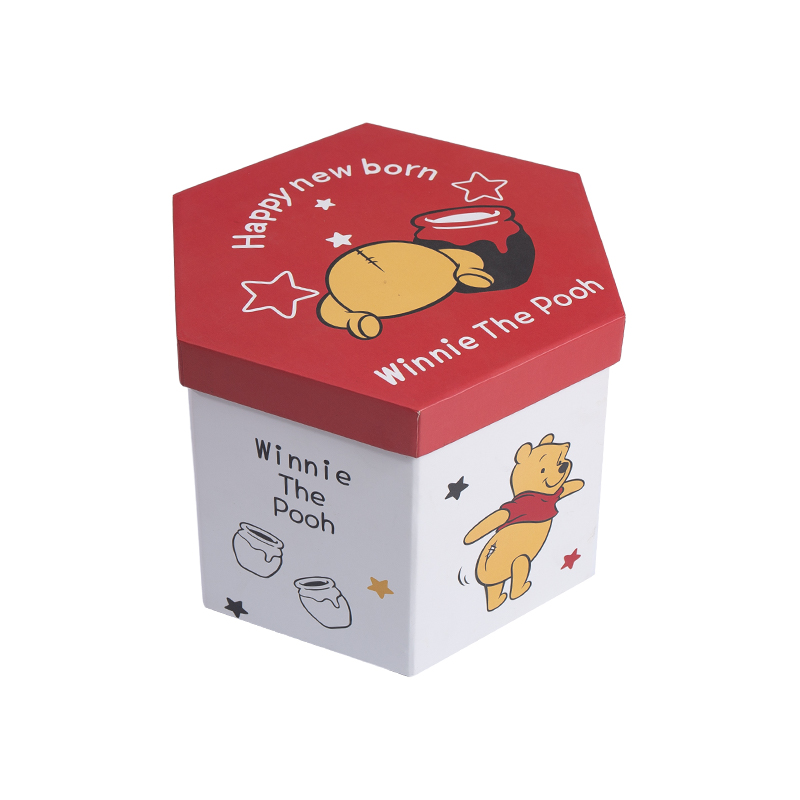
Cardboard packaging boxes are folding, rigid or corrugated paper-based containers built to protect, present and transport goods. For B2B buyers, the category is less about a single product and more about a set of structural families, each with its own tooling cost, strength profile and print surface. Understanding the families before you request a quote prevents the most common sourcing mistake: specifying a rigid box structure for a product that only needs a folding carton, or accepting a thin carton where drop protection matters.
When procurement teams evaluate cardboard packaging boxes, four parameters drive the decision: board grade (greyboard, kraft, duplex, corrugated flute), structure (folding, rigid, sleeve, drawer), print method (offset, flexo, digital) and finishing (lamination, foil, emboss, varnish). The table below maps common structures to their typical use cases and board grades.
| Structure | Typical Board Grade | Best For | Tooling Intensity |
|---|---|---|---|
| Folding carton | Duplex 300-400 gsm | Retail shelf, cosmetics, food | Low |
| Rigid gift box | Greyboard 1.0-2.0 mm | Premium gifts, electronics | High |
| Paper sleeve | Duplex 250-350 gsm | Phone boxes, book covers | Low |
| Drawer box | Greyboard + wrap paper | Jewelry, watches, tea | Medium |
| Corrugated shipper | E-flute or B-flute | E-commerce, fragile goods | Medium |
| Magnetic closure box | Greyboard 1.5-2.5 mm | Luxury unboxing | High |
A practical rule of thumb from production floors: if the unit weight of the packed product stays under 1 kg, a 350 gsm folding carton with a lock-bottom usually passes a 1.2 m drop test. Above 2 kg, move to E-flute corrugated. Above 5 kg, specify B-flute or a double-wall shipper. These thresholds are starting points, not guarantees; final validation always comes from a pre-production sample and an actual drop test.
Buyer tip: request the board grade in grams per square meter (gsm) or flute type, not in vague terms such as "thick paper". Suppliers can only quote accurately against measurable specifications.
Why Recyclable Board Matters to Procurement Teams
Packaging regulation is tightening across major markets, and retail buyers increasingly pass sustainability requirements down the supply chain. A carton that cannot be recycled in the destination country's waste stream creates compliance risk and can trigger chargebacks. This is why recyclable cardboard packaging boxes have moved from a marketing preference to a purchasing criterion.
The technical facts that matter in a sourcing conversation are straightforward. Paper fibre can be recycled roughly five to seven times before the fibres shorten beyond useful strength. Uncoated and water-based-coated boards are accepted in most curbside paper streams. Heavy plastic lamination, metallic foil applied across the entire surface, and certain adhesives reduce recyclability or force the box into a mixed-material stream. A buyer who wants both premium appearance and recyclability should ask for water-based varnish, aqueous coating or spot foil rather than full-surface plastic film.
5-7
Typical number of recycling cycles for paper fibre before strength drops
70%+
Share of packaging weight that flat-pack design can save in storage
2-3x
Shipping volume reduction when boxes ship flat rather than assembled
Beyond recyclability, flat-pack construction is a logistics advantage. Boxes shipped flat occupy a fraction of the volume of assembled boxes, cutting container and warehouse costs. For a buyer importing 20,000 units, the difference between flat and assembled shipment can mean several extra pallets of usable container space.
Sustainability claims should be verifiable. Ask for the fibre source (FSC or PEFC chain of custody), the coating chemistry and a material declaration before you accept a recyclability statement.
How Custom Printing and Finishing Affect Cost and Lead Time
Custom printed cardboard packaging boxes sit at the intersection of brand presentation and manufacturing economics. Print method choice is the single largest cost lever after board grade. Offset printing delivers the sharpest images and lowest unit cost at high volumes, but carries plate and setup charges that only amortize above roughly 3,000 to 5,000 units. Digital printing removes plate costs and suits short runs, test launches and versioned packaging, at a higher unit price. Flexo printing is the workhorse for corrugated shippers where line art and solid colour blocks are sufficient.
Finishing decisions should be made with both appearance and recyclability in mind. The table below summarizes common finishes against their cost impact and effect on the recycling stream.
| Finish | Visual Effect | Cost Impact | Recycling Consideration |
|---|---|---|---|
| Matte or gloss varnish | Subtle protection, smooth feel | Low | Generally compatible with paper streams |
| Water-based coating | Scuff resistance | Low-medium | Preferred for recyclability |
| Spot UV | High-contrast shine detail | Medium | Acceptable in most streams |
| Hot foil stamping | Metallic accents | Medium-high | Keep foil area small |
| Emboss or deboss | Tactile depth | Medium | No impact |
| Full plastic lamination | Premium gloss | High | Can reduce recyclability |
Lead time is driven less by printing than by structure. A folding carton with a standard die line can move from artwork approval to mass production in roughly 10 to 15 working days for a factory with in-house die making. A rigid magnetic box with wrapped greyboard, foam insert and foil stamping commonly needs 20 to 30 working days including sample approval. Buyers planning a launch date should request a production schedule with the quote, not after the order is placed.
Which Industries Buy Custom Cardboard Packaging Boxes and Why
Industry application determines not just aesthetics but testing standards. A food box must consider grease resistance and food-contact compliance. An electronics box must consider static, drop and compression. A cosmetics box must consider shelf appeal and colour consistency under retail lighting. Buyers should state the end-use category in the first enquiry so the supplier can propose the right board and finishing combination.
Food and Beverage
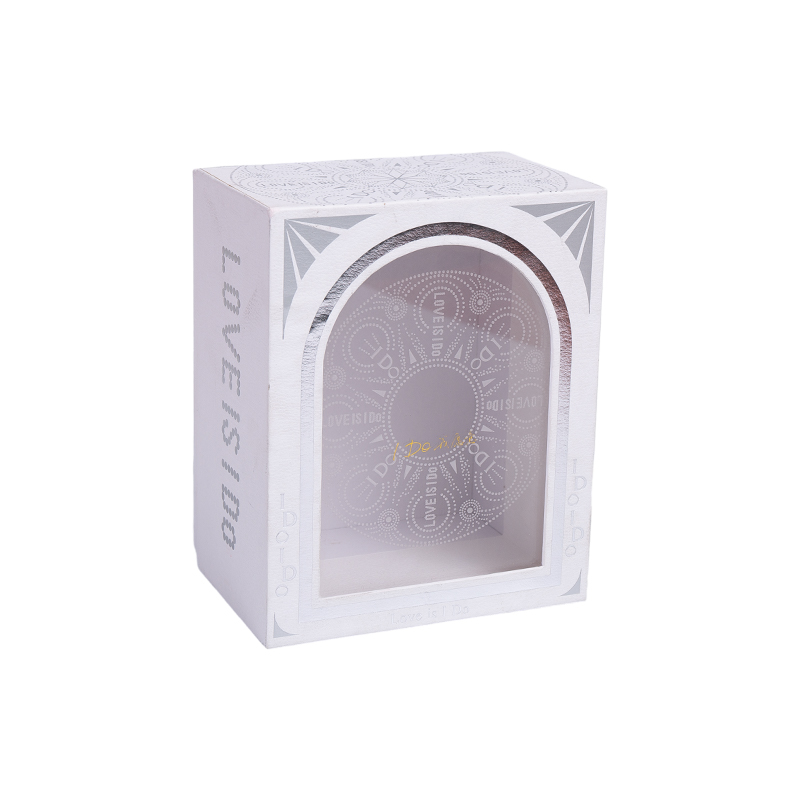
Greaseproof liners, food-grade inks and moisture-resistant coatings are the usual requirements. Bakery and confectionery boxes often use window patching, which adds a die-cutting step but raises perceived value significantly. Buyers should confirm that adhesives used in window patching meet food-contact regulations in the destination market.
Cosmetics and Beauty
Colour fidelity is the dominant concern. Offset printing with a Pantone-matched ink and a matte aqueous coating delivers consistent brand colour across runs. Skincare sets frequently use rigid boxes with moulded pulp or EVA inserts to hold bottles securely during transit.
Electronics and Small Devices
Protection drives structure. A typical phone or accessory box uses a rigid or sleeve structure with a moulded pulp tray, and must pass drop and vibration testing before retail acceptance. Anti-static coatings are available where sensitive components are packed directly.
E-commerce and Retail Fulfilment
Right-sized corrugated mailers reduce void fill and dimensional weight charges. Self-seal adhesive strips and tear-open perforations improve the unboxing experience while keeping packing labour low. Buyers shipping at scale should model dimensional weight savings against the cost of a custom die.
Gift, Jewelry and Premium Goods
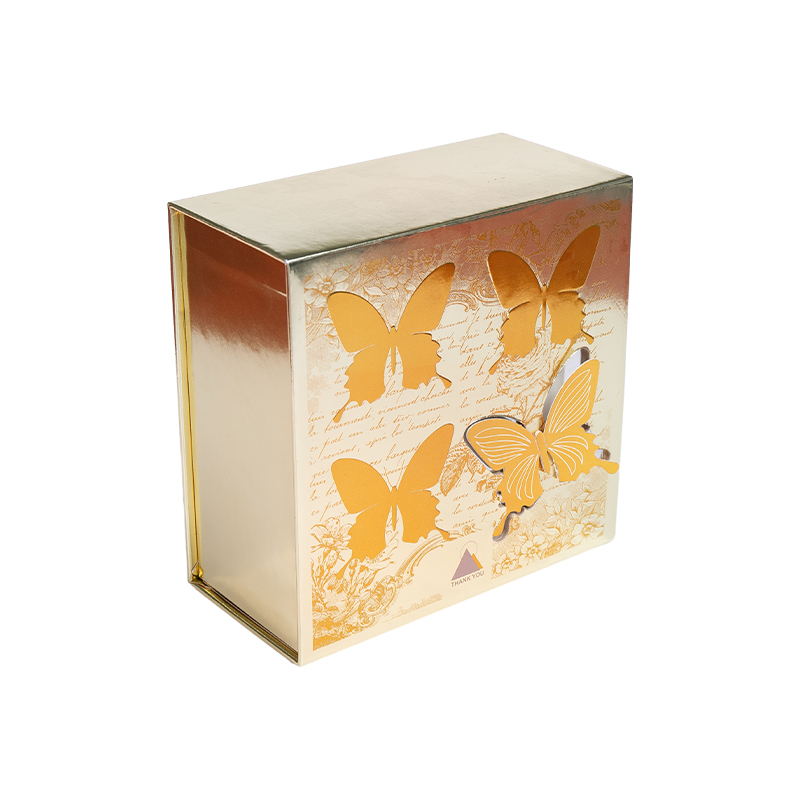
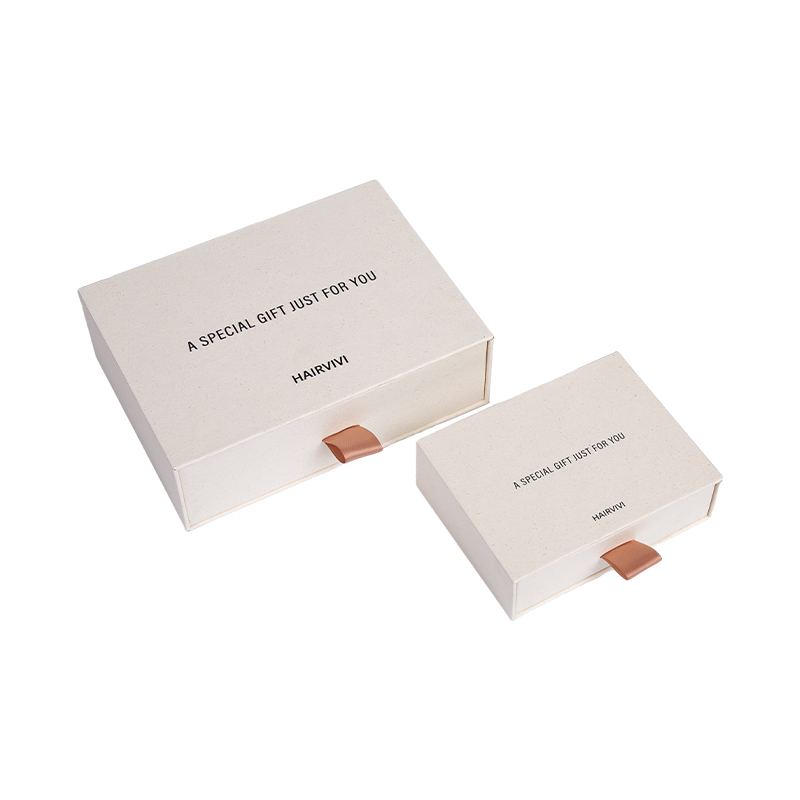
Rigid boxes with magnetic closures, ribbon pulls and foil accents dominate this segment. The cost per unit is higher, but the structure is reused by the end consumer, which extends brand exposure. MOQs for rigid boxes are typically higher than for folding cartons because of the hand-assembly content.
How to Evaluate a Cardboard Box Manufacturer Before Ordering
Supplier evaluation should follow a fixed checklist so that different factories are compared on the same basis. The checklist below reflects the questions that most often reveal a capability gap after the order is placed rather than before.
- Certification scope, not just certificate presence. ISO 9001 covers quality management and ISO 14001 covers environmental management. Confirm that the certificate scope includes printing and box conversion, and check the expiry date.
- In-house versus outsourced processes. Printing, die cutting, gluing and rigid box assembly performed in-house shorten lead times and reduce quality disputes between vendors.
- Sampling capability. A factory that can produce a printed sample in 5 to 7 working days is usually better equipped to handle artwork revisions and urgent launches.
- Material traceability. Ask for the fibre source and whether recycled content can be documented. Buyers with sustainability reporting obligations need this in writing.
- Quality control points. Incoming board inspection, in-line colour checks, die-cut dimension checks and final random sampling should be documented in the quality plan.
- Export experience. Confirm familiarity with the destination market's packaging and labelling rules, including recycling labelling requirements.
ISO certification is a useful filter but not a substitute for a factory audit or a sample evaluation. A supplier that provides a clear quality plan, a named account contact and a realistic lead time is generally a safer choice than one that promises the lowest price and the shortest lead time simultaneously.
Ready to compare specifications? Request a custom quote and sample with your size, board grade and print requirements.
What Drives Unit Price in a Cardboard Box Quotation
Buyers often receive quotes that differ by 30 to 50 percent for what appears to be the same box. The gap is usually explained by four variables: board grade, print method, structure complexity and order quantity. Understanding how each variable moves the price makes negotiation more productive than simply asking for a discount.
| Cost Driver | Effect of Increasing | Buyer Lever |
|---|---|---|
| Board grade | Higher gsm or flute raises material cost | Right-size the board to actual protection needs |
| Print colours | Each additional offset colour adds plate and make-ready cost | Consolidate colours or use digital for short runs |
| Structure complexity | More die cuts and hand assembly raise labour cost | Simplify where the brand does not require it |
| Order quantity | Unit price falls as setup costs amortize | Combine SKUs or plan annual volume |
| Finishing | Foil, emboss and lamination add steps | Use spot finishes instead of full-surface |
A useful negotiation approach is to ask for a price break table at three quantity tiers, for example 3,000, 10,000 and 30,000 units. This reveals how much of the quote is setup cost and how much is material and labour, and it helps buyers choose a quantity that balances unit price against inventory carrying cost.
How to Prepare a Specification That Gets an Accurate Quote
Incomplete enquiries are the main cause of delayed quotations. A supplier receiving a message that says only "need custom boxes, please quote" must ask five or six follow-up questions before pricing is possible. Providing the following information in the first message typically shortens the quotation cycle from several days to one or two.
- Box style and reference structure, with a sketch or sample photo if available
- Internal dimensions in millimetres, and whether they are internal or external
- Board grade or a physical sample of the desired stiffness
- Print artwork in vector format, with Pantone references if colour matching is required
- Finishing requirements, including any recyclability constraints
- Target quantity and expected annual volume
- Destination market and any labelling or compliance requirements
- Required delivery date and whether a pre-production sample is needed
Buyers who provide a filled specification sheet usually receive comparable quotes from multiple suppliers, which makes selection faster and reduces the risk of a specification mismatch discovered only at the sample stage.
Quality Control and Testing Standards for Cardboard Packaging
Quality control for cardboard packaging combines dimensional checks, print checks and physical performance tests. The relevant tests depend on the product and the distribution channel, but the following are common in B2B supply agreements.
| Test | What It Measures | Typical Application |
|---|---|---|
| Burst strength | Resistance to internal pressure | Corrugated shippers |
| Edge crush test | Stacking strength of corrugated board | Warehouse stacking |
| Drop test | Protection during handling | E-commerce, electronics |
| Vibration test | Resistance to transport vibration | Long-distance shipping |
| Colour verification | Consistency against approved standard | Branded retail packaging |
| Dimensional check | Accuracy of die cutting and gluing | All structures |
Buyers should agree on the acceptance criteria in writing before production, including the sampling plan and the acceptable quality limit. A clear inspection standard protects both parties and reduces disputes at delivery.
Practical note: keep a signed golden sample with the supplier and with your own quality team. It resolves most colour and dimension disagreements quickly.
Frequently Asked Questions About Cardboard Packaging Boxes
Q1: Are cardboard packaging boxes fully recyclable?
Most uncoated and water-based-coated cardboard boxes are accepted in standard paper recycling streams. Recyclability depends on the coating, adhesive and any attached components such as plastic windows or foam inserts. Specify water-based coatings and avoid full-surface plastic lamination if recyclability is a requirement, and confirm acceptance with the destination market's waste infrastructure.
Q2: Can printed cardboard boxes still be recycled?
Yes, in most cases. Water-based and soy-based inks do not prevent paper recycling, and the de-inking process removes most printed ink. Heavy metallic foil covering a large area or full plastic film lamination can reduce recyclability, so keep foil to spot accents and choose aqueous coatings where possible.
Q3: What is a typical minimum order quantity for custom boxes?
Folding cartons commonly start at 1,000 to 3,000 units, while rigid gift boxes with hand assembly typically start at 500 to 1,000 units depending on structure complexity. Digital printing can lower the practical minimum for short runs, though unit cost is higher than offset at volume.
Q4: How long does sampling and production take?
White samples usually take 3 to 5 working days and printed samples 5 to 7 working days after artwork approval. Mass production for folding cartons typically runs 10 to 15 working days after sample approval, and rigid boxes 20 to 30 working days. Sea freight transit should be added separately when planning a launch date.
Q5: How do I get an accurate price for custom cardboard packaging boxes?
Provide the box style, internal dimensions, board grade, print colours, finishing, quantity and destination market. With this information a supplier can return a firm quotation, usually within one to two working days, and can advise on cost reductions such as simplifying the structure or adjusting the order quantity.
Q6: Can I request a physical sample before placing a bulk order?
Yes. Most manufacturers provide white samples for structure evaluation and printed samples for artwork and colour approval. Printed samples may carry a sample charge, which is often credited against the bulk order. Always approve a physical sample in writing before mass production begins.
How to Reduce Risk When Scaling From Sample to Bulk Order
The transition from an approved sample to a 30,000-unit production run is where most quality problems appear. Colour drift between the sample and the production run, dimensional variation across die-cut batches and adhesive failure under humidity are the three most common issues. Each can be controlled with a simple protocol.
- Approve a production-run sample drawn from the actual press, not a hand-made prototype.
- Record the ink formulation and board batch used for the approved sample.
- Agree on an inspection plan with defined sample sizes per lot.
- Require in-line colour checks at fixed intervals during the run.
- Confirm packaging of the boxes themselves, since flat-packed cartons can warp if strapped too tightly.
Buyers importing from overseas should also plan for a pre-shipment inspection and keep a retained sample from each lot for comparison with future orders. This practice makes repeat orders predictable and gives both parties an objective reference if a dispute arises.
Send your specification, target quantity and destination market to receive a quotation and sample plan for your next packaging project.
Key Takeaways for Packaging Buyers
Sourcing cardboard packaging boxes successfully comes down to specification discipline. Define the board grade and structure against the product's weight and distribution channel. Choose print and finishing methods that match both the order quantity and the recyclability requirement. Verify supplier certification scope and in-house capability rather than relying on a price list. And always approve a physical sample from the production press before committing to a bulk order.
Buyers who follow this sequence typically see fewer quality disputes, more predictable lead times and a lower total cost per packed unit, even when the unit price is not the lowest quote received.