What Materials Are Commonly Used in Eco Friendly Packaging Boxes?
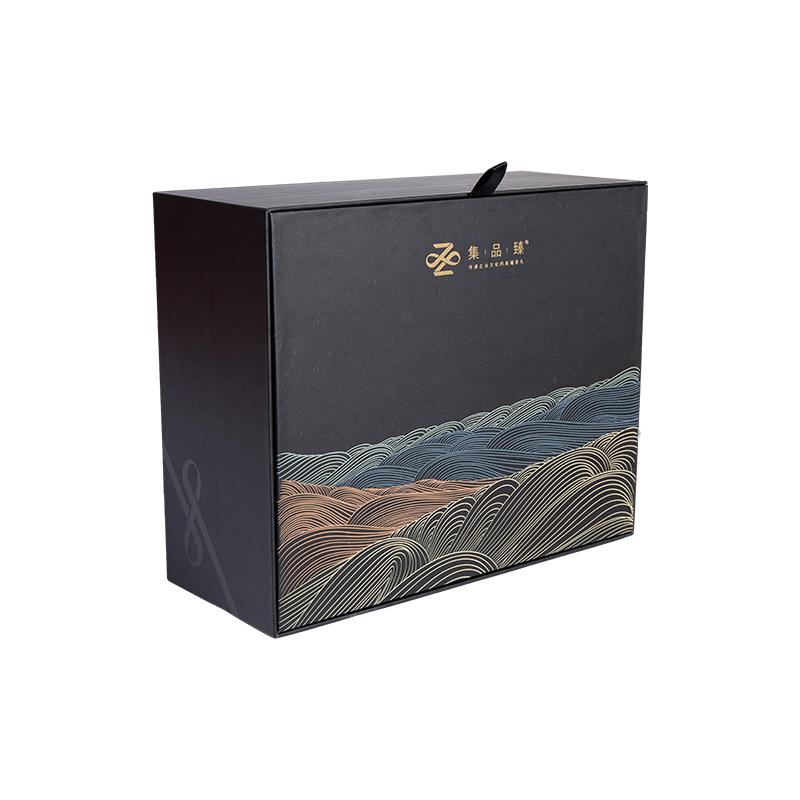
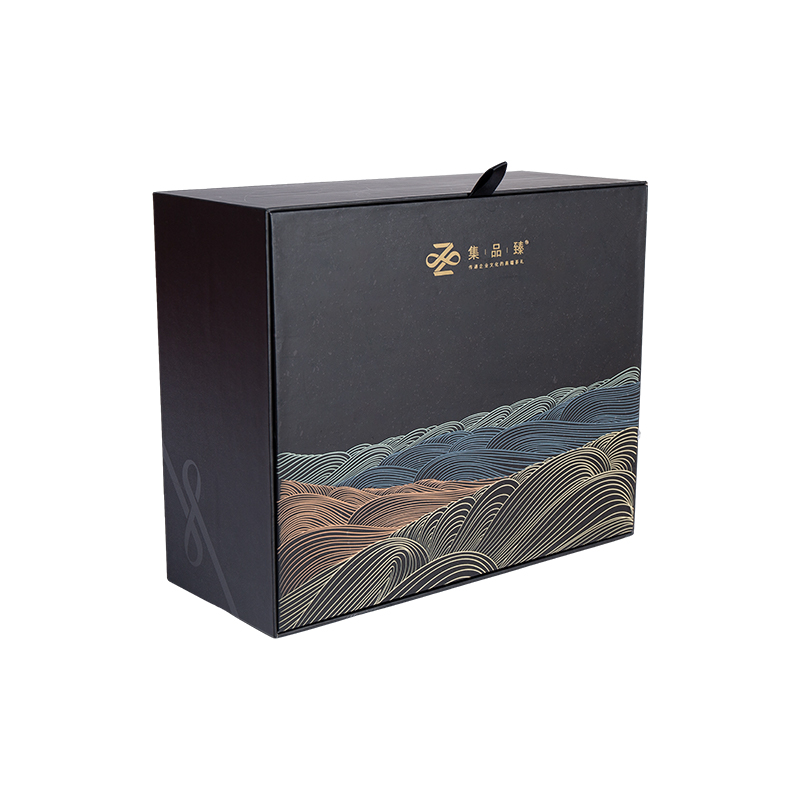
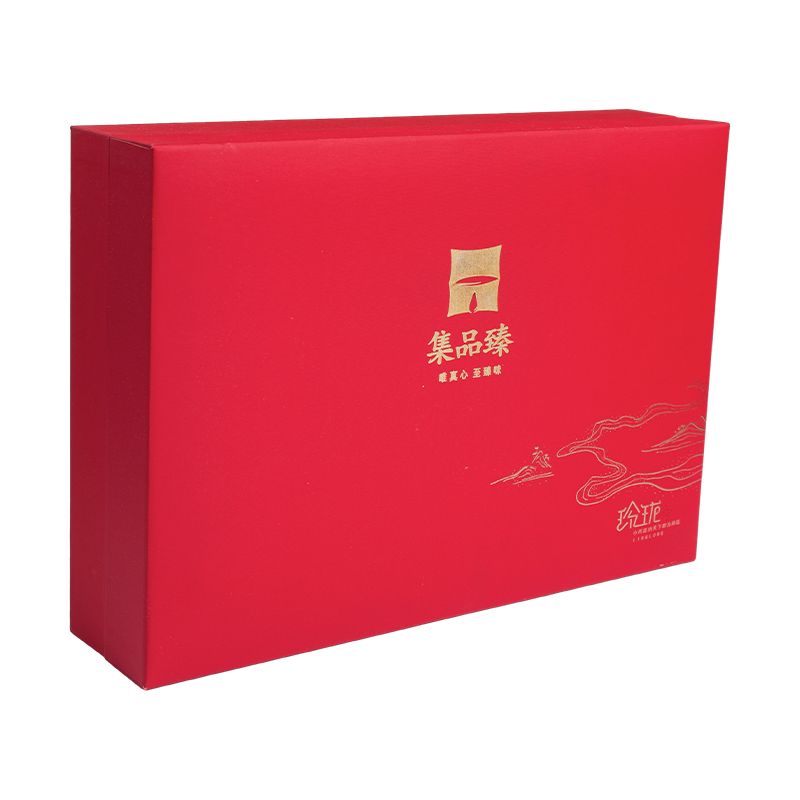
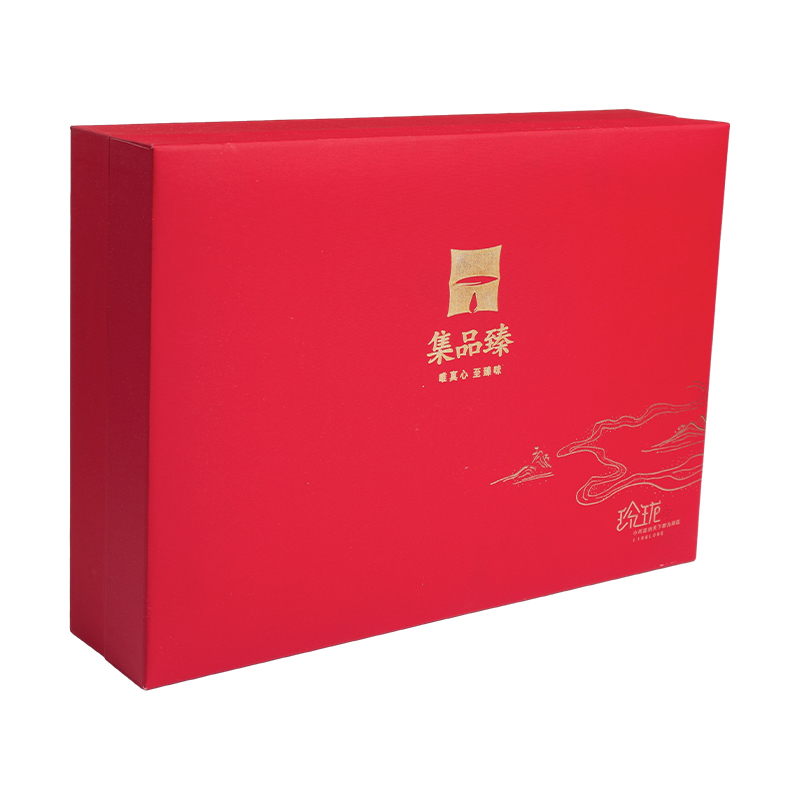
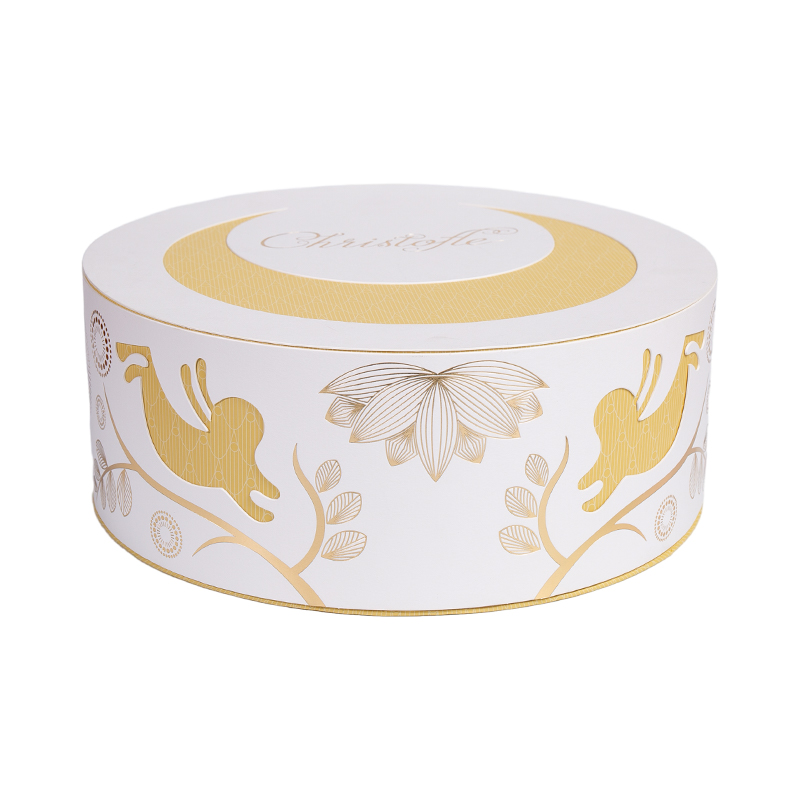
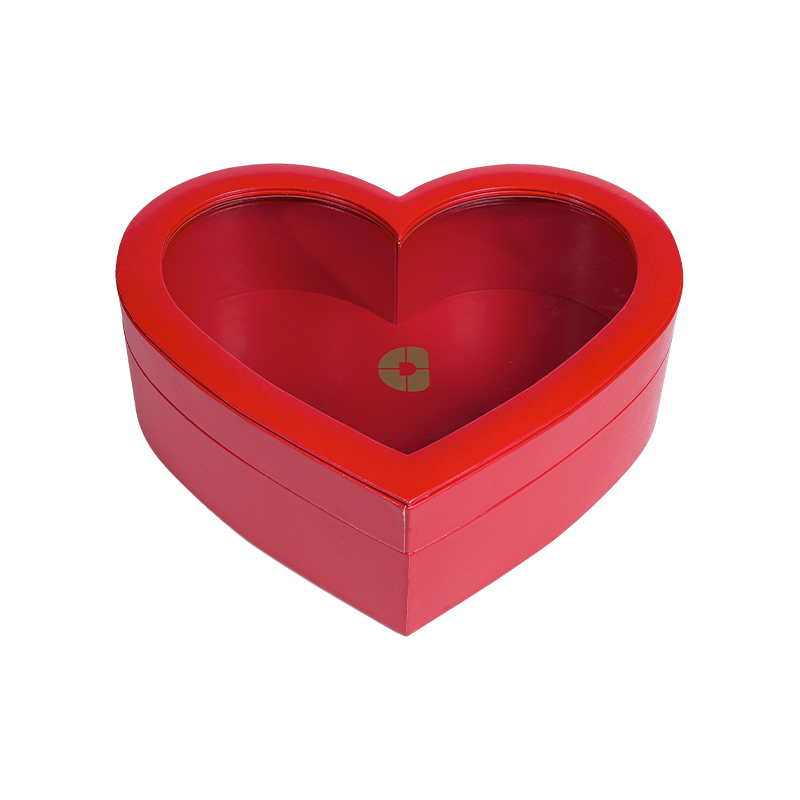
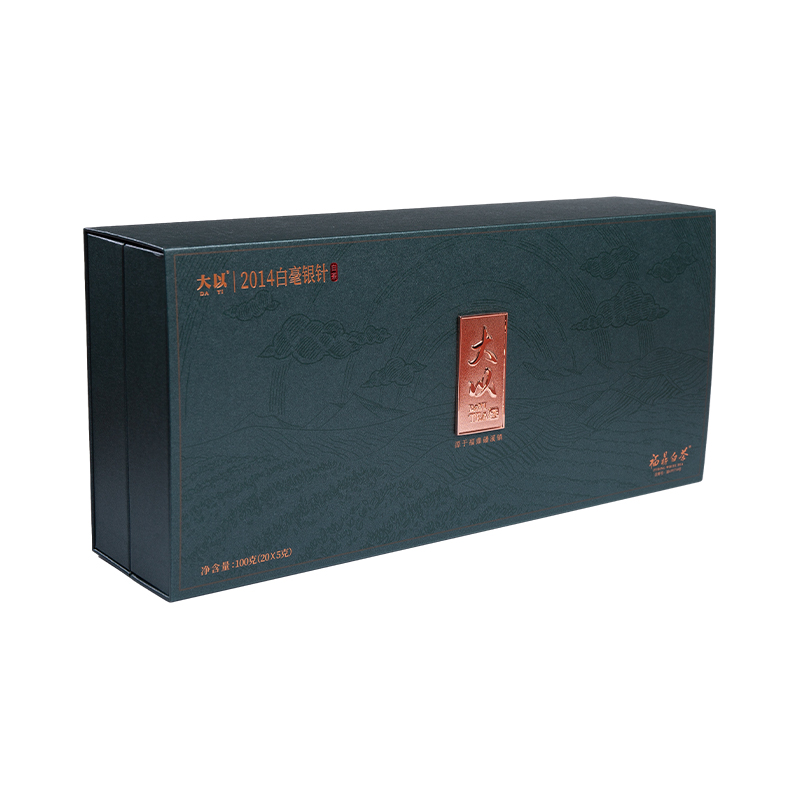
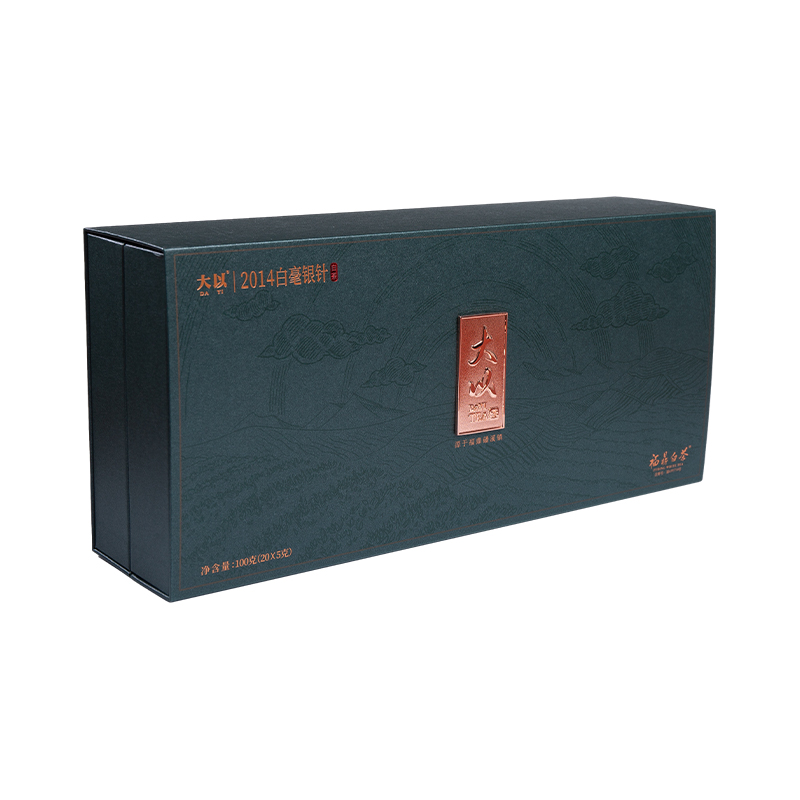
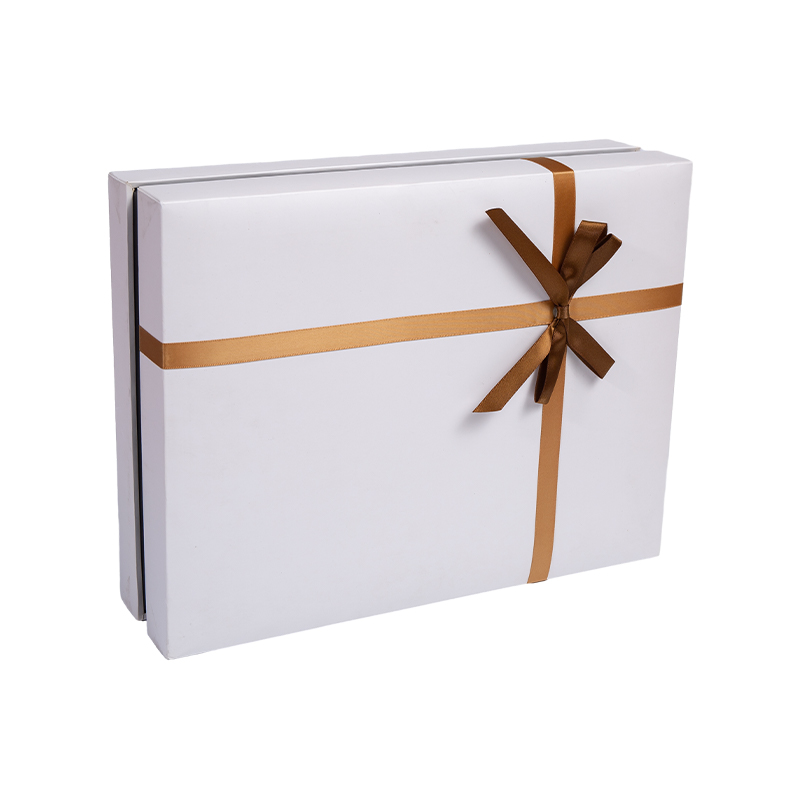
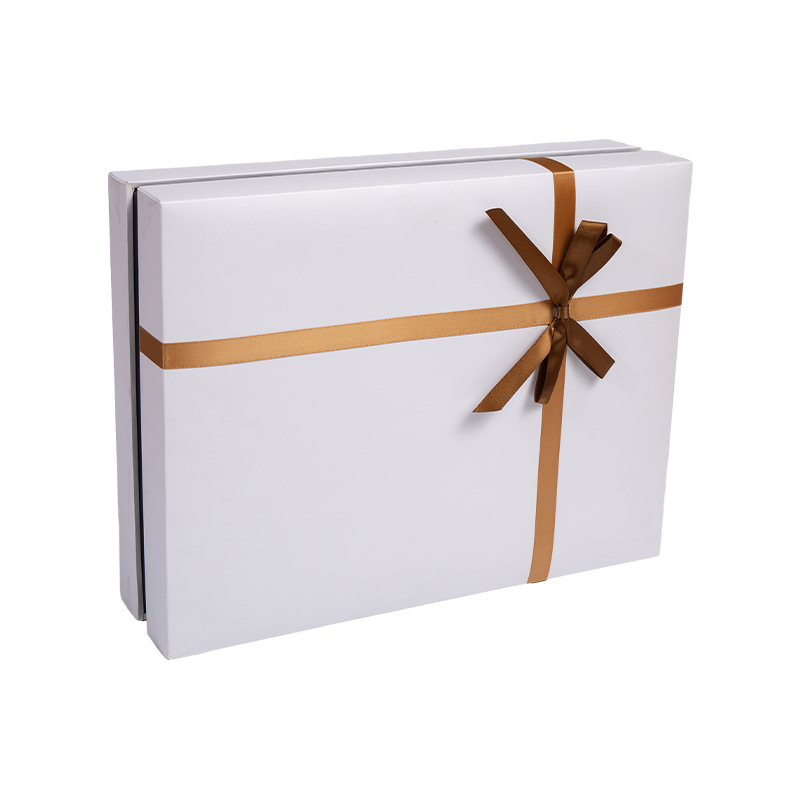
As environmental awareness continues to influence purchasing decisions and packaging regulations, businesses across various industries are seeking sustainable alternatives to conventional packaging. Among the widely adopted solutions are eco friendly packaging boxes, which are designed to minimize environmental impact while maintaining product protection, visual appeal, and supply chain efficiency.
The effectiveness of eco friendly packaging boxes largely depends on the materials used in their construction. Sustainable packaging materials are selected based on factors such as recyclability, biodegradability, renewability, durability, and resource efficiency.
Why Material Selection Matters in Eco Friendly Packaging Boxes
The sustainability of packaging is determined not only by how it is disposed of but also by how it is produced. Material selection influences:
- Resource consumption
- Carbon footprint
- Recycling efficiency
- Waste generation
- Product protection capability
- Printing and branding performance
High-quality sustainable packaging balances environmental responsibility with practical functionality. This is why manufacturers increasingly focus on renewable and recyclable raw materials when producing eco friendly packaging boxes.
Common Materials Used in Eco Friendly Packaging Boxes
Several materials have become industry standards due to their environmental advantages and packaging versatility.
Recycled Paperboard
Recycled paperboard is one of the commonly used materials in sustainable packaging. It is produced from recovered paper fibers that are reprocessed into new packaging products.
Key Advantages
- Reduces demand for virgin wood pulp
- Easily recyclable through existing systems
- Lightweight and cost-effective
- Excellent printability
- Suitable for folding cartons and retail packaging
Typical Applications
- Cosmetic packaging
- Consumer electronics packaging
- Food packaging sleeves
- Gift boxes
Recycled paperboard offers an effective balance between sustainability and packaging performance, making it a preferred option for many eco friendly packaging boxes.
Corrugated Cardboard
Corrugated cardboard consists of fluted paper sandwiched between linerboards, providing strength and cushioning.
Key Advantages
- High recycled content
- Strong structural protection
- Recyclable and biodegradable
- Suitable for shipping and transportation
- Lightweight compared to alternative protective materials
Typical Applications
- E-commerce packaging
- Logistics cartons
- Industrial packaging
- Retail shipping boxes
The growing e-commerce sector has significantly increased demand for corrugated cardboard due to its protective capabilities and environmental benefits.
Kraft Paper
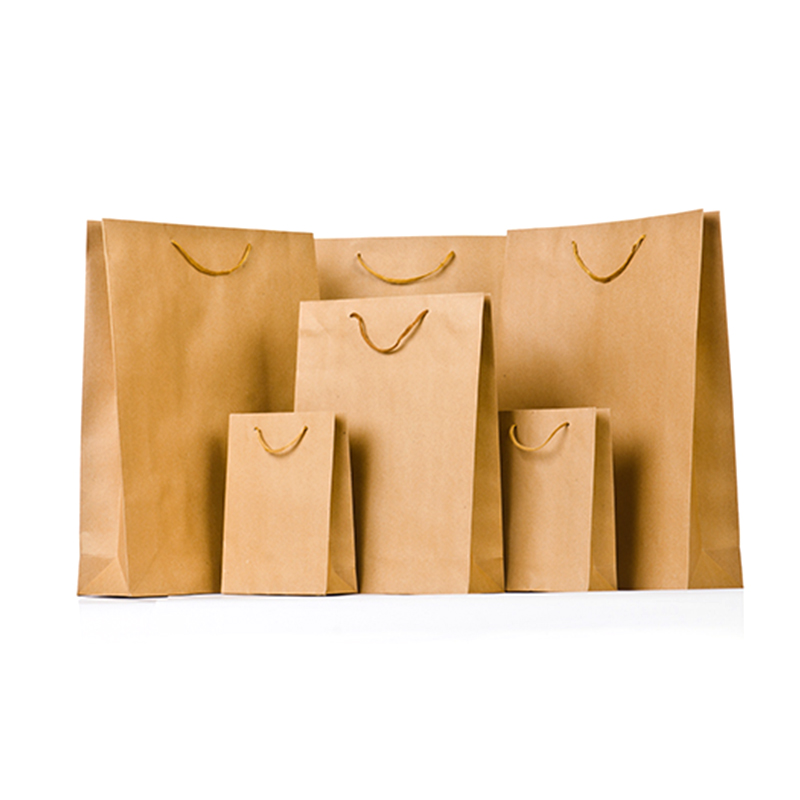
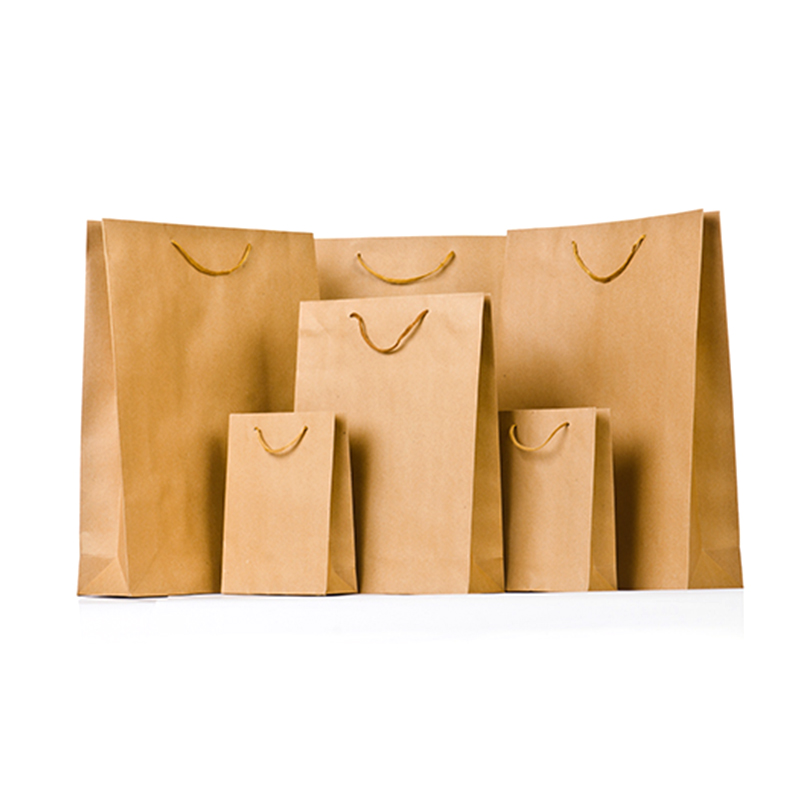
Kraft paper is produced through a process that preserves more natural wood fibers, resulting in stronger paper with a distinctive natural appearance.
Key Advantages
- Renewable material source
- Biodegradable
- Recyclable
- Strong tear resistance
- Natural aesthetic preferred by environmentally conscious consumers
Typical Applications
- Shopping bags
- Product boxes
- Food packaging
- Mailing boxes
Many brands choose kraft-based eco friendly packaging boxes because they visually communicate sustainability while maintaining durability.
Molded Pulp
Molded pulp is manufactured from recycled paper fibers and formed into protective packaging components.
Key Advantages
- Fully recyclable
- Biodegradable
- Excellent shock absorption
- Reduces dependence on plastic inserts
- Customizable shapes
Typical Applications
- Electronics packaging
- Cosmetic packaging
- Protective inserts
- Beverage packaging
As companies seek alternatives to foam and plastic trays, molded pulp has become an increasingly popular sustainable packaging material.
Virgin FSC-Certified Paperboard
While recycled materials are widely used, responsibly sourced virgin paperboard also plays an important role in sustainable packaging.
Key Advantages
- High strength and rigidity
- Smooth printing surface
- Reliable fiber quality
- Renewable resource when responsibly managed
Typical Applications
- Luxury packaging
- Premium retail boxes
- High-end consumer products
When sourced from sustainably managed forests, virgin paperboard can contribute to environmentally responsible packaging systems.
Material Comparison Table
| Material |
Sustainability Features |
Main Functions |
Common Applications |
| Recycled Paperboard |
Recyclable, reduced virgin fiber use |
Branding, product protection |
Retail cartons, cosmetics |
| Corrugated Cardboard |
Recyclable, biodegradable |
Shipping protection |
E-commerce, logistics |
| Kraft Paper |
Renewable, recyclable |
Lightweight packaging |
Shopping bags, mailers |
| Molded Pulp |
Recyclable, compostable |
Cushioning and protection |
Electronics, inserts |
| FSC Paperboard |
Renewable source |
Premium packaging appearance |
Luxury products |
How Sustainable Materials Support Packaging Performance
One common misconception is that environmentally friendly materials compromise packaging quality. Modern packaging technologies have largely eliminated this concern.
Today’s eco friendly packaging boxes can provide:
Structural Strength
Advanced paper engineering and corrugated designs create packaging capable of withstanding transportation and storage challenges.
High-Quality Printing
Modern paperboard materials support:
- Offset printing
- UV printing
- Digital printing
- Specialty finishing
This enables sustainable packaging to achieve premium visual effects while maintaining environmental responsibility.
Product Protection
Protective packaging performance can be enhanced through:
- Multi-layer board structures
- Molded pulp inserts
- Reinforced corrugated designs
- Precision structural engineering
As a result, sustainable materials can meet the protection requirements of electronics, food products, consumer goods, and other sensitive products.
The Growing Importance of Recyclable Packaging Materials
Recyclability remains one of the important characteristics of eco friendly packaging boxes.
Materials with established recycling streams offer several benefits:
- Reduced landfill waste
- Resource conservation
- Lower environmental impact
- Improved circular economy participation
Paper-based materials are particularly advantageous because recycling infrastructure is widely available in many regions, making recovery and reuse more practical.
Why Choose Caidie?
Material selection is only one component of sustainable packaging. Production methods also influence environmental performance.
Shanghai Caidie Printing Co., Ltd integrates advanced printing technologies with eco-friendly material selection to develop customized packaging solutions for diverse industries. By combining packaging design, precision printing, and manufacturing capabilities, the company supports the production of high-quality eco friendly packaging boxes for food, beverage, electronics, consumer goods, and other applications.
Through resource integration and large-scale production capacity, Shanghai Caidie Printing Co., Ltd focuses on delivering packaging solutions that balance sustainability, functionality, and premium presentation. The use of environmentally responsible materials alongside advanced printing technologies helps create packaging that meets both market expectations and environmental objectives.
Choosing the Right Material for Eco Friendly Packaging Boxes
Selecting the suitable material depends on several factors:
| Packaging Requirement |
Recommended Material |
| Lightweight retail packaging |
Recycled paperboard |
| Heavy-duty shipping protection |
Corrugated cardboard |
| Natural sustainable appearance |
Kraft paper |
| Plastic-free protective inserts |
Molded pulp |
| Premium product presentation |
FSC-certified paperboard |
Businesses should evaluate product weight, transportation conditions, branding requirements, and sustainability goals before selecting packaging materials.
Conclusion
The commonly used materials in eco friendly packaging boxes include recycled paperboard, corrugated cardboard, kraft paper, molded pulp, and responsibly sourced paperboard. Each material offers distinct environmental and functional advantages, enabling businesses to reduce packaging waste while maintaining product protection and brand presentation.
FAQ
1. What is the commonly used material for eco friendly packaging boxes?
Recycled paperboard is among the widely used materials because it is recyclable, cost-effective, lightweight, and suitable for high-quality printing.
2. Are corrugated boxes considered eco-friendly?
Yes. Corrugated cardboard is recyclable, biodegradable, often contains recycled content, and provides protection for shipping applications.
3. Can eco friendly packaging boxes be used for premium products?
Yes. FSC-certified paperboard and high-quality recycled paperboard can achieve premium printing effects and sophisticated packaging designs.
4. What material can replace plastic inserts inside packaging?
Molded pulp is a popular alternative because it offers cushioning, protection, recyclability, and biodegradability.
5. Why are paper-based packaging materials preferred in sustainable packaging?
Paper-based materials are renewable, recyclable, widely accepted by recycling systems, and capable of delivering both structural performance and attractive product presentation.

 中文简体
中文简体 
 English